Therapeutic Recreation Degree Guide: Courses, Careers, Costs, and Fit
A guide to therapeutic recreation and recreational therapy degrees: coursework, program formats, costs, CTRS preparation, career settings, and how to compare options.
By David Slack · Staff Writer Assessment.com · Published November 1, 2026 · Last updated November 5, 2026
A therapeutic recreation or recreational therapy degree prepares students to use planned recreation and leisure activities to support health and well-being for people with physical, mental, or emotional disabilities. The field combines activity programming with knowledge of human development, psychology, health, assessment, and professional practice. Graduates most directly prepare for recreational therapy work, with possible employment in rehabilitation, long-term care, hospitals, behavioral health settings, parks and recreation, camps, and other community programs. Some students continue to graduate study in recreational therapy or other allied health fields. The best program choice depends on the role you want, the experience and credentials it requires, and whether the work itself fits you.
Degree & Program Decision Insights
Explore your personal fit, education requirements, career potential and next steps.
01Motivational Fit
Discover whether this program fits you
Explore your preferences against the focus of Therapeutic Recreation/Recreational Therapy. These prompts are not personal MAPP results.
Care and responsibility. Would you want to develop the skills involved in the foundations of therapeutic recreation, while taking the other person’s needs and professional boundaries seriously?
Breadth of interest. Consider the place of “leisure education and counseling” in this field. Is this another part you would choose to explore, or mainly a requirement you would tolerate?
Work reality. Related work can involve this task: “Develop discharge plans for patients.” Would you want that activity to be a regular responsibility?
Interest in studying a field can differ from enjoying its related work.
Which part would you want to do repeatedly, and what would you try before deciding?
Discover Your Personal Program Fit
Before investing your time and money in your education, discover how this program aligns with your natural motivations, work preferences and career goals.
Typical occupational entry: bachelor's degree (BLS). Check the exact professional credential and jurisdiction requirements for this occupation; the classification association alone does not establish eligibility.
Health Specialties Teachers, PostsecondarySOC 25-1071 · O*NET 25-1071.00$107,310/year median (May 2025); +17.9% projected change (2025–2035); 24,900 projected openings/year.
Typical occupational entry: doctoral or professional degree (BLS). BLS lists less than 5 years of related work experience as typical for this occupation; this programme is not a direct promise of entry. Postsecondary teaching is a separate appointment and may require advanced study; this programme alone is not a promise of a teaching post.
U.S. occupational wages are not guaranteed graduate earnings; OEWS excludes self-employed workers.
Projected openings include replacements as well as growth.
U.S. national estimates. A crosswalk does not establish entry-level eligibility; advanced, management and teaching roles can require further qualifications.
Explore your motivations. Use MAPP as a starting point for reflecting on your interest in “the foundations of therapeutic recreation”, then test that interest against a sample learning task.
Examine the work. Compare Recreational Therapists and Health Specialties Teachers, Postsecondary on daily work and entry qualifications, as well as pay. Explore Recreational Therapists.
Compare actual providers. Ask for the exact credential, course sequence and assessment methods. Compare how each provider teaches “leisure education and counseling”, its entry criteria and its itemized costs.
Check the evidence before applying. Confirm prerequisites and any recognition or professional requirements for your intended route; ask for applicable rules and published outcome definitions in writing.
Verify the institution’s current offering, admissions requirements and outcomes; a search result does not establish your eligibility.
A student facilitator working with participants in an inclusive, activity-based session
What Is a Therapeutic Recreation Degree?
Therapeutic recreation, also called recreational therapy, is a field that uses planned recreation and leisure activities to support the health and well-being of people with physical, mental, or emotional disabilities. Students learn to design, organize, and direct activities with attention to participants’ needs and program goals. The National Center for Education Statistics CIP classification 51.2309 describes this program area and its instructional scope.
Schools may use titles such as therapeutic recreation, recreational therapy, or recreation therapy. The name alone does not tell you whether a program includes the courses and supervised experience you need. Compare course lists, degree level, fieldwork, and certification preparation.
The field is related to occupational therapy, physical therapy, psychology, and recreation management, but it is not a substitute for those professions’ education or credentials. Its distinguishing emphasis is the use of recreation and leisure programming as a health-supporting intervention.
What Do You Study? Courses and Practical Learning
Students typically build knowledge across health, behavior, activity design, and professional practice. The program description for this CIP area includes foundations of therapeutic recreation, leisure education and counseling, therapeutic modalities, basic anatomy and physiology, psychology, medical terminology, human growth and development, observation and evaluation, special-needs populations, and ethics.
That mix has a practical purpose. Anatomy and physiology help students understand physical considerations; psychology and development inform how a participant may respond; planning courses teach students to set activity goals; and observation and evaluation help them judge whether a program is appropriate and useful. Curricula and course names differ, so use the published degree plan rather than a general subject list to confirm coverage.
Applied learning and supervised experience
Programs may include practical activities, placements, or internships. For example, Lehman College’s description of the CTRS entry-level pathway specifies a minimum 14-week, 560-hour internship supervised by a CTRS. That is a credential-pathway requirement described by that institution, not a promise that every school structures field experience identically. Ask whether placements are arranged by the school, where they take place, and what supervision is provided.
Look for opportunities to practice adapting an activity, communicating with participants, documenting observations, and reflecting on professional boundaries. These experiences can help connect coursework to the expectations of a workplace.
Skills You Can Build
Therapeutic recreation programs build skills in activity planning, observation, communication, and professional judgment. Students learn to consider participant needs when choosing activities and to organize programs with clear purposes. The program area also includes evaluation, professional standards, and ethics, which help students think carefully about safety, respect, and appropriate practice.
Health and human development: foundational knowledge of anatomy, physiology, psychology, and development.
Program design: selecting, adapting, organizing, and directing therapeutic recreation activities.
Observation and evaluation: noticing participant responses and considering how an activity is meeting its goals.
Communication and collaboration: explaining activities and working with participants and care or program teams.
Professional practice: applying ethical standards and understanding the needs of different populations.
Program descriptions establish the subject areas, but the depth and software or documentation tools taught are school-specific. Ask departments what students practice in labs, placements, and internships, and how those experiences are assessed.
Who Is This Program Best For?
This program may appeal to students who want people-facing work and are interested in how recreation can support health and well-being. It can suit learners who enjoy designing activities, adapting plans to individual needs, and combining scientific and behavioral concepts with hands-on practice.
Students should also consider the emotional and interpersonal side of the work. Coursework addresses special-needs populations, observation, and professional ethics, and career settings can include rehabilitation, long-term care, hospitals, behavioral health facilities, and community recreation. Ask a program advisor how students prepare for the situations and responsibilities found in those settings.
Does therapeutic recreation match you?
Salary, job availability, and school reputation matter, but they cannot tell you whether you will enjoy the work or persist through its preparation. Think about whether you want to plan activities, communicate directly with people, learn health-related material, and complete supervised experience. Assessment.com’s MAPP career assessment can be one input as you explore career and education options. Treat an assessment as a prompt for further investigation, not a guarantee of success or a substitute for talking with students and professionals.
Admissions, Difficulty, Credential Levels, and Time
Admissions requirements, application materials, and academic expectations depend on the institution and credential level. Undergraduate applicants should check each school’s official admissions page for high school preparation, transcripts, deadlines, and any general application requirements. Graduate certificates and master’s programs may set separate eligibility and prerequisite rules. Do not assume that the same GPA, test, essay, or experience rule applies across programs.
Expect a blend of science and behavioral coursework, writing, activity planning, and practical learning. Students may find it challenging to connect classroom concepts to the needs of different participants or to manage supervised experience alongside other coursework. Before enrolling, ask about prerequisite courses, academic advising, field placement schedules, and support in anatomy, psychology, and writing.
Credential levels, formats, and time to completion
The field’s classification includes programs at several credential levels, but that does not mean every institution offers every level. A bachelor’s program is a common route described for entry-level CTRS preparation; a post-bachelor’s or graduate certificate may serve a different student population. A fully online graduate certificate is described by SUNY Cortland, while other programs may use campus, hybrid, or in-person formats. Confirm the exact course sequence and practical requirements.
Time to completion varies with credential, transfer credits, course load, and internship scheduling. Ask each school for a term-by-term plan showing required courses and placements, then compare it with your work, family, and financial commitments.
Online vs. On-Campus Programs
Online, hybrid, and campus options depend on the specific institution and credential. A graduate-level therapeutic recreation certificate at SUNY Cortland is described as fully online, and Northern Arizona University describes a graduate certificate intended to prepare students to meet qualifications for the NCTRC exam. Those examples do not establish that all recreational therapy programs are online or that practical components can be completed remotely.
Before enrolling online, ask whether any labs, placements, internships, or meetings require travel. Confirm that a placement near you can provide appropriate supervision, and ask how the school handles scheduling and documentation. If you need a credential, verify that the program’s requirements fit the current credentialing pathway, not just the delivery format.
Campus programs may make it easier to access local facilities or in-person faculty support, while online study may provide scheduling flexibility. Compare the actual student experience and total costs rather than assuming one format is automatically more convenient or less expensive.
Tuition, Other Costs, and Financial Aid
There is no single reliable tuition figure for therapeutic recreation programs in the supplied institutional information. Total cost depends on the school, residency status, credential level, course load, fees, and whether students need to travel for placements. Build a full estimate from each college’s current tuition and fee schedule instead of comparing tuition alone.
Include required books and supplies, health or placement-related fees if applicable, transportation, technology, and any costs associated with internship participation. Ask whether a placement requires unpaid time, travel, or a schedule that could affect employment. Request a written estimate of the total program cost and the expected time to completion.
Ways to make the program more affordable
Complete the appropriate financial aid application and review grants, scholarships, and federal or institutional aid for which you may qualify.
Ask the financial aid office about payment plans, work-study, and scholarships specific to health, recreation, or rehabilitation fields.
Check whether prior coursework can transfer, and get written confirmation of which requirements it fulfills before committing.
Ask an employer whether tuition assistance is available and whether a relevant work schedule can accommodate field experience.
Compare the net price and likely time to completion, not just the advertised per-credit rate.
Eligibility and aid amounts vary. Confirm terms directly with the school’s financial aid office and read any repayment or employment conditions before accepting support.
Careers, Jobs, and Employment Settings
The clearest career direction is recreational therapist. Program information identifies settings such as long-term care, rehabilitation facilities, children’s hospitals, substance-use treatment centers, psychiatric facilities, parks and recreation districts, camps, and wilderness programs. Employers may have distinct job titles and qualifications, so inspect actual job postings in the areas where you could work.
Career direction
Education or credential considerations
Pay and outlook
How the degree may apply
Recreational therapist
For CTRS preparation, the cited Lehman pathway calls for a relevant bachelor’s degree or higher, supervised internship, and NCTRC exam.
Pay and outlook vary; consult current labor-market data for your location and verify employer requirements.
Coursework covers therapeutic recreation, planning, human development, observation, and evaluation.
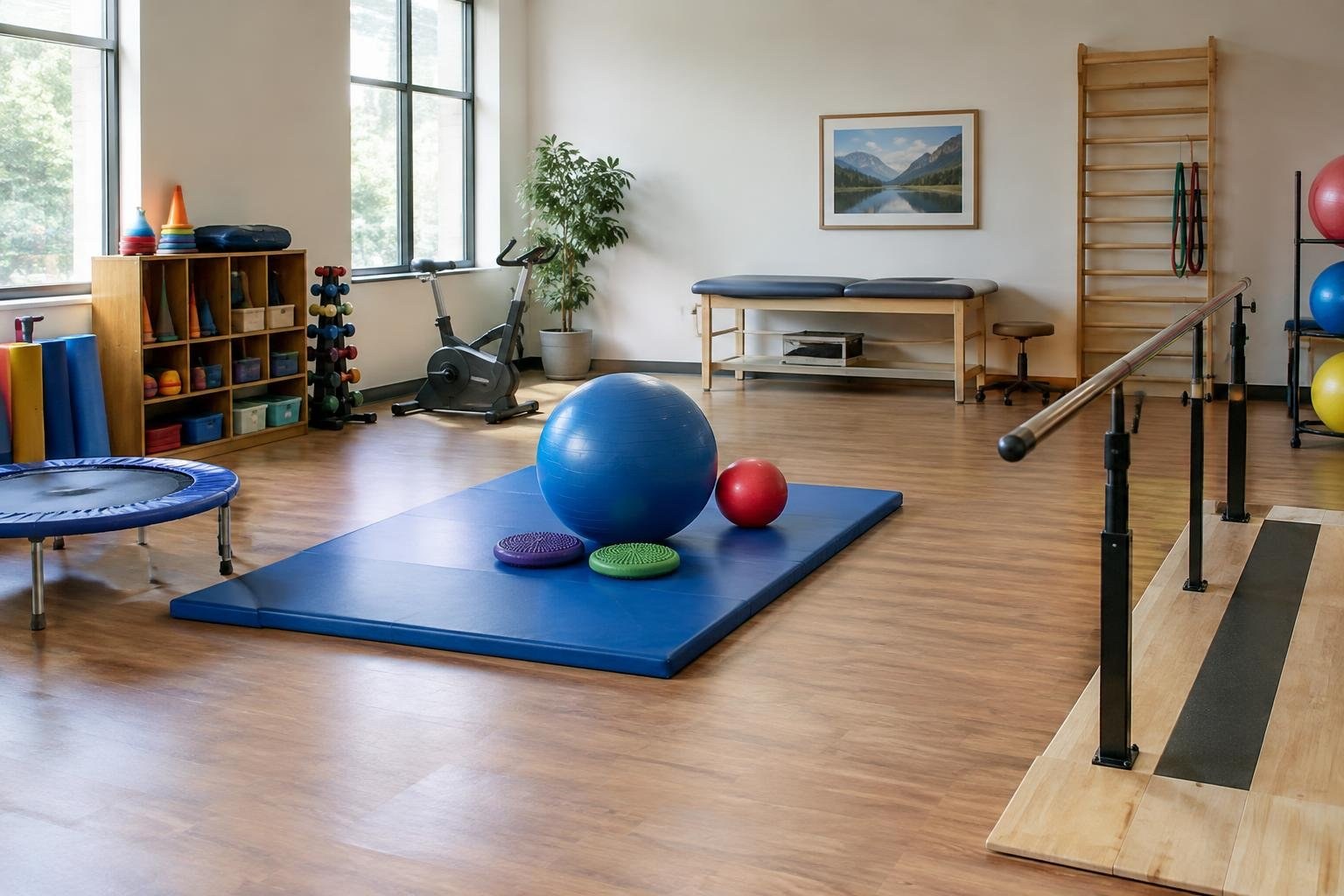
Therapeutic recreation program work in community or care settings
Requirements depend on the position and employer; do not assume a degree alone meets a regulated or credentialed role’s requirements.
Pay and outlook depend on employer, location, and role; verify against current local postings.
Training in activity organization and recreation programming may be relevant to setting-specific roles.
Postsecondary teaching in a health specialty
Teaching qualifications depend on institution, subject, and position. Graduate education may be relevant; confirm actual postings.
Pay and outlook vary by position and employer.
Some students pursue graduate education and teaching or research pathways after further study.
Graduates may pursue further study in occupational therapy or other allied health fields, but that additional education is a separate pathway, not an automatic outcome of this degree. AI and digital tools may change documentation and planning workflows; they do not replace the need to understand participant needs or meet professional requirements.
Certification, Licensure, and Internship Requirements
The Certified Therapeutic Recreation Specialist (CTRS) is a national credential administered by the National Council for Therapeutic Recreation Certification. The cited Lehman College pathway says entry-level professionals seeking CTRS need a bachelor’s degree or higher in a concentrated recreation therapy or therapeutic recreation area, a minimum 14-week, 560-hour internship supervised by a CTRS, and a passing NCTRC exam. Confirm current requirements with NCTRC and the program before selecting a course of study.
Degree completion and professional certification are separate milestones. Aurora University’s program information likewise notes the national exam as part of becoming a recreational therapist. Fresno State describes an advisor-supported pathway to eligibility to apply for national certification and California certification. These examples show why students should check both national credential requirements and any state-specific rules for their intended location.
Ask whether a program’s curriculum is designed to meet the requirements relevant to your goal, how internship supervision is arranged, and whether graduates must complete additional steps after graduation. Do not treat a program’s marketing language as a guarantee of certification or employment.
Experience, Professional Development, and Employer Readiness
In addition to required fieldwork, students can strengthen their preparation through volunteer work, part-time roles, campus projects, or research connected to disability, rehabilitation, health, or community recreation. Choose experience that lets you learn how a setting works and communicate respectfully with people who have different needs. Ask a faculty advisor which experiences complement the program rather than assuming every volunteer role counts toward certification.
How to stand out to employers
Keep a record of projects and activities you planned, including the audience, goals, adaptations, and what you learned.
Develop clear examples of how you communicate, collaborate, and respond when an activity needs adjustment.
Complete required supervised experience carefully and keep documentation organized.
Join relevant professional or campus organizations if available, and use events to learn about work settings and career expectations.
Ask placement supervisors for feedback and references when appropriate.
Credentials should match a real goal. A certificate or graduate course can add focused study, but it is not automatically a substitute for the degree, internship, and examination requirements of the CTRS pathway.
Graduate School and Further Education
Possible next steps include a master’s program in recreational therapy or related recreation and leisure studies, a graduate certificate, or further professional education in another allied health field. The best option depends on whether you want deeper expertise, research experience, teaching preparation, or a different licensed profession.
Texas State describes a recreational therapy master’s program, and Northern Arizona University describes a graduate certificate intended to prepare future recreational therapists to meet NCTRC exam qualifications. SUNY Cortland describes an online graduate-level certificate for professionals and graduate students seeking additional therapeutic recreation skills. Each option has its own admission rules and purpose.
Some students continue to occupational therapy or another allied health field, as noted by Central Michigan University. Those professions have distinct education and credential requirements. Before taking additional courses, compare the full path, cost, and work responsibilities with your intended role.
Related Degrees and Alternatives
Related options can lead to different daily work and preparation. Compare actual degree plans and professional requirements rather than choosing based on similar-sounding names.
Occupational therapy: consider this instead if you want a separate allied health profession focused on occupational therapy practice and are prepared to complete its distinct education and credential pathway.
Physical therapy: consider this if your central interest is physical rehabilitation and you are willing to pursue that profession’s separate professional education and requirements.
Psychology: consider this if you are more interested in behavior, mental processes, or further study in psychological services than in recreation-based programming.
Recreation management: consider this if you prefer managing recreation services or facilities rather than focusing on therapeutic goals and participant evaluation.
Social work: consider this if you want to focus on social support, casework, or community services and are prepared to meet the role’s education and credential rules.
Health education: consider this if your main interest is teaching people about health topics rather than organizing therapeutic recreation activities.
Recreational worker preparation: consider this if you want recreation programming but do not intend to pursue a clinical or therapeutic specialization.
Therapeutic recreation is distinguished by its blend of leisure and recreation programming with health and well-being goals. Occupational therapy and physical therapy are not interchangeable alternatives, and a therapeutic recreation degree does not qualify someone to practice those professions. Compare course content, practical requirements, credentials, and long-term plans before switching pathways.
Advantages, Drawbacks, and Is the Degree Worth It?
A program can be a strong choice when its curriculum, supervised experience, and cost align with your intended work. Advantages may include preparation for a defined recreation-based health field, study that connects human development and health with activity planning, and exposure to several care and community settings. Some institutions also offer graduate certificates or online study for particular student groups.
Tradeoffs include the time and expense of a degree, the need to verify internship logistics, and the possibility that a chosen job requires certification or further education. The value depends on total price, location, credentials, and whether the work matches your interests.
For parents and students, an important decision is not simply whether the subject sounds appealing. Ask the student to review course descriptions, speak with an advisor, and learn about the realities of placements and the settings graduates enter. Compare the program’s total cost with realistic local opportunities and the student’s willingness to complete any certification steps.
How to Choose the Right Program
Compare programs against the career outcome you want, not just their names or campus appeal. Request a current degree plan and ask the department to explain which courses, supervised experiences, and post-graduation steps support your intended path.
Accreditation and program standing: ask what institutional or programmatic accreditation applies and verify claims with the relevant accreditor. Do not assume a program is accredited because it prepares students for a credential.
Curriculum: check coverage of therapeutic recreation, assessment, program planning, anatomy and physiology, psychology, special-needs populations, and ethics.
Internship support: clarify placement availability, supervisor qualifications, hours, scheduling, location, and any costs.
Credential preparation: ask how the curriculum aligns with current NCTRC requirements and what students must do independently.
Format and transfer: find out which courses are online or in person, whether practical work is local, and which prior credits will count.
Cost and outcomes: request total program cost, financial aid details, completion information, and transparent graduate outcomes relevant to the roles you want.
Career connections: ask about placements, employer relationships, career advising, and alumni working in your preferred setting.
Assessment.com’s degree exploration resources and major-selection guidance can help you organize options. Use them alongside direct conversations with colleges and credentialing organizations.
From Degree to Career: Possible Pathways
Career steps differ by employer and individual experience. These examples show possible sequences, not guaranteed promotions or outcomes:
Relevant bachelor’s program → supervised internship → NCTRC exam → recreational therapist role: the cited Lehman pathway identifies the degree, supervised internship, and exam components for CTRS preparation.
Undergraduate therapeutic recreation study → entry-level experience in a care or community setting → focused graduate coursework: further study may deepen expertise, but it does not guarantee a particular title or advancement.
Therapeutic recreation degree → graduate study in another allied health field: some graduates pursue additional education, such as occupational therapy, but admission, professional training, and credentials are separate steps.
Before committing, ask programs for examples of recent graduate pathways and confirm that each step fits the requirements of the career you intend to pursue.
Questions to Ask Before Enrolling
Bring these questions to an admissions advisor, department chair, financial aid office, and, where relevant, a credentialing organization:
What is the program’s full official title, credential level, and current course sequence?
What accreditation applies, and how can I verify it independently?
What is the estimated total cost, including fees, books, travel, and placement-related expenses?
Which courses or prior credits can transfer, and can the school confirm that in writing?
Are internships required? How many hours, who supervises them, and how are placements arranged?
Does the program meet the current education requirements for the credential I want, and what remains after graduation?
Which courses and placements are online, hybrid, or in person?
What recent completion and employment information can the school share, and how are those outcomes defined?
What financial aid, scholarships, payment options, or employer support may be available?
What career services, professional connections, and placement support can students use?
Write down the answers and compare programs side by side. A clear explanation of cost, supervised experience, and credential steps is more useful than a broad promise about career success.
Frequently asked questions
What is a therapeutic recreation or recreational therapy degree?
Therapeutic recreation, also called recreational therapy, prepares students to plan and lead recreation-based activities intended to support health and well-being for people with disabilities or other needs. Coursework can include psychology, anatomy and physiology, program planning, assessment, and professional ethics. Program titles and requirements differ, so review the curriculum and any pathway to the CTRS credential before enrolling.
What do you study in recreational therapy?
The coursework is interdisciplinary. Students may study anatomy and physiology, psychology, human development, medical terminology, therapeutic recreation methods, program planning, evaluation, and professional standards. A program may also include supervised field experience or an internship, especially for students pursuing the Certified Therapeutic Recreation Specialist (CTRS) credential. Check the specific curriculum because requirements vary by institution.
Can I earn a recreational therapy degree online?
Some recreational therapy graduate certificates are offered fully online, but that does not establish that every degree or required field experience can be completed remotely. Ask each school whether coursework, practical experience, and any internship can be completed online or near your location. Confirm that the pathway still meets the requirements for the credential you intend to pursue.
What are the requirements to become a CTRS?
For the entry-level CTRS pathway described by Lehman College, candidates need a bachelor’s degree or higher concentrated in recreation therapy or therapeutic recreation, a minimum 14-week, 560-hour internship supervised by a CTRS, and a passing score on the NCTRC certification exam. Confirm current requirements directly with NCTRC and the program before enrolling.
Is a recreational therapy degree worth it?
A degree’s value depends on the total price, the program’s practical training, your intended work setting, and whether you plan to pursue CTRS certification or further study. Compare tuition and fees with financial aid, internship costs, and the career options available in your area. Consider whether the day-to-day work, which can involve planning and leading activities with participants, suits your interests.
What jobs can I get with a recreational therapy degree?
The main career direction described for this field is recreational therapist. Graduates may work in settings such as rehabilitation facilities, long-term care, children’s hospitals, psychiatric facilities, substance-use treatment centers, parks and recreation districts, camps, and wilderness settings. Specific job eligibility depends on the employer’s requirements and, for CTRS roles, the applicable certification pathway.
How much do recreational therapists earn?
The supplied program information does not establish a single current salary figure or employment outlook for recreational therapists. Pay and hiring conditions can differ by location, employer, credentials, experience, and work setting. For a decision, compare current labor-market information for your intended location and ask programs for transparent, recent graduate outcome data.
Does recreational therapy require a lot of math or science?
The field is interdisciplinary and includes anatomy and physiology, but the available program description does not establish a uniform math prerequisite or quantify the level of math in every curriculum. Review each school’s admission requirements and course descriptions. If science or quantitative coursework is a concern, ask an advisor about prerequisites, tutoring, and how those courses are taught.
Do I need a master’s degree to work in recreational therapy?
Graduate study is not automatically required for every role. The CTRS entry-level pathway described by Lehman College calls for a bachelor’s degree or higher in a concentrated field, along with a supervised internship and exam. Graduate programs and certificates may be options for advanced study or for students meeting certification qualifications through a particular pathway. Check the requirements for your goal before choosing a credential level.
People Also Ask
What does a therapeutic recreation program teach?
Therapeutic recreation uses planned recreation and leisure activities to support health and well-being for people with disabilities or other needs. Degree programs teach students to plan, organize, and direct these activities, with coursework that may include psychology, anatomy, program planning, and patient observation and evaluation.
How do you become a certified therapeutic recreation specialist?
A common pathway to the Certified Therapeutic Recreation Specialist credential includes a bachelor’s degree or higher in a concentrated recreation therapy or therapeutic recreation field, a supervised internship, and passing the NCTRC exam. The cited Lehman College pathway specifies at least 14 weeks and 560 internship hours under CTRS supervision. Verify current requirements before applying.
Who should study recreational therapy?
The degree is designed for work that connects health and recreation. Students should be comfortable learning about disability and special-needs populations, communicating with participants, planning activities, and evaluating whether activities meet program goals. These interests are useful, but no single personality type is required.
Are recreational therapy programs available online?
Some certificate options are online, including a graduate-level therapeutic recreation certificate described by SUNY Cortland. Online availability does not mean all programs or practical components are remote. Ask schools about fieldwork, internships, in-person requirements, and whether the course sequence supports your professional goal.
Where do recreational therapists work?
Possible work settings include long-term care, rehabilitation facilities, children’s hospitals, substance-use treatment centers, psychiatric facilities, parks and recreation districts, camps, and wilderness programs. Employers set their own qualifications, and a recreational therapist role may call for CTRS certification.
How is recreational therapy different from occupational therapy?
A therapeutic recreation degree focuses on using recreation and leisure programming to promote health and well-being. Occupational therapy is a separate allied health profession with its own education and practice requirements. Compare actual curricula, clinical or field experiences, credentials, and the work you want rather than assuming the degrees are interchangeable.
Therapeutic recreation and recreational therapy may suit students who want to combine health knowledge, activity-based programming, and direct work with people. The degree is most useful when its courses, supervised experience, and certification preparation align with the jobs you want. Before choosing a program, compare the full cost and practical requirements, then consider whether the day-to-day work fits your interests and strengths. Assessment.com’s education and career resources can help you explore options, and the MAPP assessment can help you think through career and degree fit.
Find out which Career or College Major is right for you!
We use cookies to offer you a better browsing experience, analyze site traffic and personalize content.
Read about how we use cookies and how you can control them in our
Privacy Policy.
If you continue to use this site, you consent to our use of cookies.
×
Exciting News!
Be one of the first to Beta Test the new AI-Powered Assessment.com Platform.