Music Technology Degree Guide: Courses, Careers, Costs, and Program Fit
Music technology programs combine musical knowledge with audio tools and production practice. Compare credentials, hands-on learning, costs, and possible career paths before choosing a program.
By Kieth Nelson · Staff Writer Assessment.com · Published October 12, 2026 · Last updated November 5, 2026
A music technology degree or certificate combines music with the tools and methods used to create, record, shape, and deliver sound. Depending on the program, students may work with composition software, recording systems, acoustics, sound reinforcement, audio for media, or music production. The field is broad: one program may emphasize professional audio engineering, while another may focus on technology for music educators or creative experimentation. Credentials range from certificates and associate degrees to bachelor’s and graduate study, but availability varies by institution. Graduates may pursue work in recording, live sound, media production, composition, or related creative and technical settings. Not sure whether Music Technology fits you? Use the free MAPP Career Assessment to explore how your motivations, interests, and natural preferences may align with career and degree options.
Degree & Program Decision Insights
Explore your personal fit, education requirements, career potential and next steps.
01Motivational Fit
Discover whether this program fits you
Explore your preferences against the focus of Music Technology. These prompts are not personal MAPP results.
Subject curiosity. Would you choose to explore “music theory” in depth? Ask for a sample learning activity to test that interest.
Breadth of interest. Consider the place of “music history” in this field. Is this another part you would choose to explore, or mainly a requirement you would tolerate?
Work reality. Related work can involve this task: “Meet with soloists and concertmasters to discuss and prepare for performances.” Would you want that activity to be a regular responsibility?
Interest in studying a field can differ from enjoying its related work.
Which part would you want to do repeatedly, and what would you try before deciding?
Discover Your Personal Program Fit
Before investing your time and money in your education, discover how this program aligns with your natural motivations, work preferences and career goals.
Explore these official instructional-field associations. They describe possible occupational routes, not measured outcomes of this program.
Music Directors and ComposersSOC 27-2041 · O*NET 27-2041.00$73,710/year median (May 2025); +1.2% projected change (2025–2035); 4,200 projected openings/year.
Typical occupational entry: bachelor's degree (BLS). BLS lists less than 5 years of related work experience as typical for this occupation; this programme is not a direct promise of entry.
Typical occupational entry: master's degree (BLS). Postsecondary teaching is a separate appointment and may require advanced study; this programme alone is not a promise of a teaching post.
U.S. occupational wages are not guaranteed graduate earnings; OEWS excludes self-employed workers.
Projected openings include replacements as well as growth.
U.S. national estimates. A crosswalk does not establish entry-level eligibility; advanced, management and teaching roles can require further qualifications.
Compare the focus and route of these distinct instructional fields; their credentials and admission requirements are not interchangeable.
Recording Arts Technology/TechnicianCIP 10.0203. Compare its emphasis on sound equipment operation and maintenance and music, dialogue, and sound effects recording with this program’s focus.
Music, OtherCIP 50.0999. Any instructional program in music not listed above.
Music, GeneralCIP 50.0901. Compare its emphasis on music and dance with this program’s focus.
Explore your motivations. Use MAPP as a starting point for reflecting on your interest in “music theory”, then test that interest against a sample learning task.
Examine the work. Compare Music Directors and Composers and Art, Drama, and Music Teachers, Postsecondary on daily work and entry qualifications, as well as pay. Explore Music Directors and Composers.
Compare actual providers. Ask for the exact credential, course sequence and assessment methods. Compare how each provider teaches “music history”, its entry criteria and its itemized costs.
Check the evidence before applying. Confirm prerequisites and any recognition or professional requirements for your intended route; ask for applicable rules and published outcome definitions in writing.
Verify the institution’s current offering, admissions requirements and outcomes; a search result does not establish your eligibility.
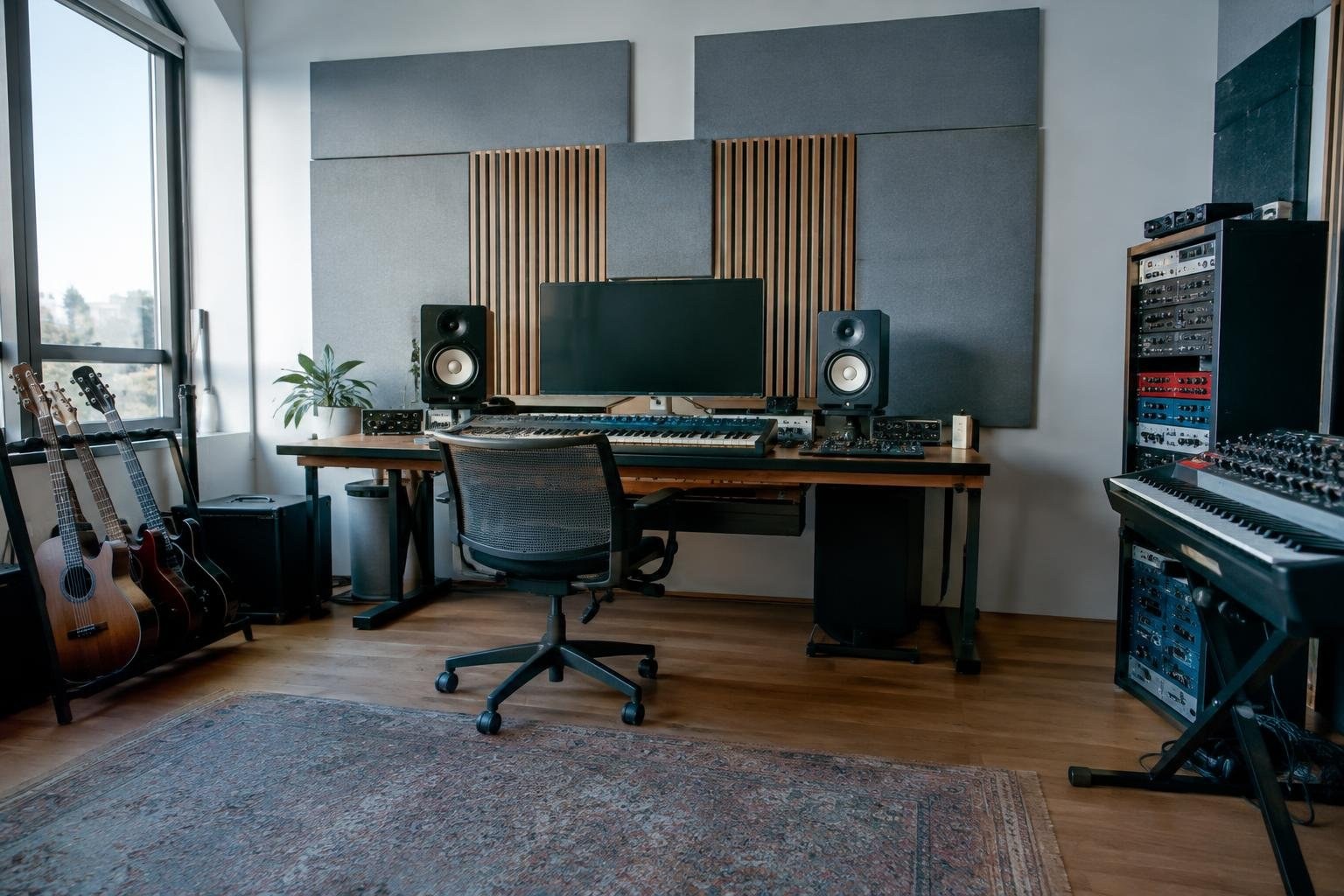
Music technology student working at a recording console
What Is a Music Technology Degree?
Music technology combines the study and practice of music with technologies used to create, record, process, perform, and distribute sound. A program can prepare students to use technical methods in composition, audio production, recording, performance, or media work. The U.S. Department of Education’s Classification of Instructional Programs identifies this field as CIP 50.0913; that code classifies a field, not a promise that every school offers the same credential or courses.
Program names vary. Institutions may use labels such as music technology, music production, audio production, or professional audio engineering. Treat the title as a starting point. For example, the University of Maryland, Baltimore County describes its major through professional audio engineering topics, while New York University emphasizes creative experimentation and the integration of musical and technical skills. These are distinct program examples, not a universal curriculum.
Music technology differs from a traditional performance or music theory pathway when a substantial portion of the study centers on equipment, recording processes, audio systems, or digital production. It may overlap with sound engineering and media production, but a music technology credential is not automatically a computer science or electrical engineering degree.
What Do Music Technology Students Study?
Students may study music theory and history alongside composition, acoustics, recording technology, computer-based composition, electronic synthesis, technology-supported performance, spatial audio, and music business topics. The balance depends on the program. A student drawn to studio work should look for frequent recording and production assignments; someone interested in composing for media should check for composition and audio-for-media courses.
Course titles alone do not tell you how much practical work a student completes. Ask to see sample assignments, student portfolios, capstone descriptions, and the list of facilities available for coursework. A strong match may include repeated opportunities to plan a session, capture and edit audio, revise a mix, or explain technical choices. Not every program offers every activity.
Some programs describe a focused audio-engineering foundation that includes acoustics, microphone placement, stereo microphone theory, digital signal processing, and mastering. Others provide coursework in audio production, sound reinforcement, or audio for media. A certificate at the University of Colorado Boulder, for example, is described as an 18-credit program covering courses intended to support composing and producing music. Credit totals and course requirements at one university should not be assumed to apply elsewhere.
Music educators may find a different kind of program useful. West Chester University describes its certificate as a focused option for in-service music educators who want to build technology skills for music learning without undertaking a broader program. Confirm that a program serves your goal before enrolling; the same label can serve very different student needs.
Skills You Can Develop
Music technology asks students to bring creative judgment and technical process together. A recording may need a musical idea, a suitable microphone setup, careful listening, editing, and several rounds of revision. Students can develop skills that include:
Musical and creative: applying music fundamentals, arranging or composing, and making choices about sound and style.
Audio and technical: working with recording systems, microphones, acoustics, digital audio processes, mixing, or sound reinforcement when those subjects appear in the curriculum.
Analytical: listening for problems, comparing possible solutions, and tracing a technical issue through a recording or signal path.
Communication: translating a creative brief into a production plan and discussing revisions with performers, clients, or collaborators.
Project practice: managing files, equipment, preparation, deadlines, and iterative work as part of a production assignment.
These skills can support paths in recording, production, live sound, media audio, composition, or education. They do not qualify a graduate automatically for every job in those areas. Build practical examples of your work and check actual role requirements while you study.
Who Is Music Technology Best For?
This program may be worth exploring if you enjoy music and also want to understand how sound is captured, shaped, performed, or used in media. You might like alternating between creative decisions and detailed troubleshooting, or prefer collaborative projects that result in something you can hear and evaluate. A professional musician is not the only possible student; some programs also serve educators and students focused on technical production.
Consider whether you are curious about the less glamorous parts of the work too: preparing equipment, managing files, listening critically, troubleshooting, and revising a project. If your main interest is performing, ask how much the program supports performance compared with studio or production work. If your main interest is technology but not music, compare the curriculum with computing or engineering programs.
Does Music Technology Match You?
Salary, reputation, and job-growth claims should not replace questions about daily work. A field can look attractive on paper but feel like a poor fit if you dislike its core tasks. Explore your interests and motivations with the MAPP Career Assessment, then use the results as a prompt for further research, not a verdict. Assessment.com also offers broader career and degree exploration; discuss program fit with a college advisor and people doing the work.
Admission, Program Length, and Academic Difficulty
Admission requirements are set by each college and may differ between a certificate, associate degree, bachelor’s major, and graduate program. The supplied university program descriptions do not establish one national GPA, test, audition, portfolio, or prerequisite standard. Check the official admissions page and the program catalog for the specific year you plan to apply.
Before applying, ask whether prior music experience is expected, whether you need to submit a portfolio or audition, and whether technical experience is assumed. If you are changing careers or returning to school, ask how previous coursework or professional experience is reviewed. Do not rely on an informal statement that a requirement is “usually waived”; get the policy from the institution.
Completion time depends on credential, credit requirements, study pace, transfer credit, and course scheduling. A certificate may be designed as focused study; one specific University of Colorado Boulder certificate requires 18 credits. That example cannot establish a standard timeline. Request a term-by-term plan that includes prerequisites and courses offered only in certain terms, if applicable.
Students commonly need to balance musical practice with technical problem-solving and project deadlines. Useful preparation can include learning basic audio workflows, practicing careful listening, and keeping examples of creative work. Ask an advisor which preparation is relevant to the program rather than spending money on equipment or software before confirming what the school uses.
Online vs. On-Campus Music Technology Programs
Online, hybrid, and campus delivery options vary by institution and credential. The sources available for the programs discussed here do not establish that music technology can be completed fully online in general. Ask the school how students complete recording, equipment, sound reinforcement, and other practical assignments, and whether access to campus studios or specialized facilities is required.
For an online option, verify how the program supports hands-on learning: Does it provide equipment, require students to supply it, use remote access, or arrange in-person sessions? Confirm whether software licenses, headphones, storage, or other materials are included in the stated cost. For a campus program, ask how students reserve studios and whether access is available outside scheduled class hours.
Do not choose a format based only on convenience. The right question is whether the format gives you a realistic way to complete the practice and projects that matter for your goals.
Music Technology Costs and Financial Aid
Music technology tuition is not a single national price. Total cost can depend on institution, residency classification, credential, credit load, required fees, living arrangements, and access to equipment or software. The program descriptions cited in this guide do not provide comparable tuition or financial-aid figures, so use each college’s current cost-of-attendance and aid information for your own situation.
Ask for a written estimate that separates tuition from mandatory fees, course materials, equipment, software, studio charges, and living costs. If a program requires tools you do not already own, find out which are required, when they are needed, and whether the school provides access. Avoid buying an expensive home studio setup before you know the program’s requirements.
To assess affordability, compare the net amount you would need to pay after grants, scholarships, employer support, or other aid for which you are eligible. Contact the college’s financial-aid office about application steps and deadlines. If you plan to transfer, ask both institutions which credits apply to the intended degree; credits that do not count toward graduation can add time and cost.
Compare the full credential, not just the price per credit. A lower initial bill may not be the lower-cost route if it adds semesters, requires extra equipment, or does not transfer as expected. Get answers in writing before you commit.
Music Technology Careers, Pay, and Employment Outlook
There is no single career or salary attached to a music technology credential. Program descriptions point toward work in audio engineering, recording, production, media audio, sound reinforcement, mixing, mastering, and related creative or technical settings. The specific job a graduate can pursue depends on the program, demonstrated skills, experience, employer expectations, and location.
Career direction
How the program may apply
What to verify
Sound engineering technician
Audio systems and production practice can provide relevant preparation.
Review the role’s equipment, workflow, experience, and education expectations.
Recording or studio engineer
Recording, microphone methods, acoustics, and digital audio study may be relevant.
Ask employers what portfolio or supervised experience they expect.
Producer or mixer
Production and listening skills may support creative project work.
Build examples that show your contribution and ability to complete work.
Mastering or post-production specialist
Programs that cover mastering or media audio may offer related practice.
Check how much specialized coursework and experience the role requires.
Music director or composer
Composition, arranging, and technology-based music work can be relevant.
Compare the program with composition-focused study and job-specific expectations.
Music technology educator
Focused study may help in-service music educators incorporate technology into teaching.
Confirm the educator credential or teaching qualifications required for your setting.
School pages identify possible careers, not placement rates or guarantees. The career titles above are directions for research, not a statement that every graduate qualifies for each job. For a responsible comparison, look up each specific occupation in current official labor-market data and compare the same year, geography, and job definition. Do not use a broad major label as a substitute for occupation-level evidence.
Potential employers and work settings can include recording and production businesses, media and post-production work, live sound environments, and music education contexts, depending on specialization and opportunity. Ask programs where students complete projects and what kinds of work graduates pursue. As tools change, foundational listening, problem-solving, communication, and the ability to learn new workflows remain useful alongside software familiarity. No particular technology or job market outcome is guaranteed.
Find out which Career or College Major is right for you!
Experience, Portfolios, Certifications, and Licensure
Music technology work is demonstrated through practice as well as coursework. When choosing a program, ask how students gain experience through recording assignments, productions, sound reinforcement projects, media work, research, or other supervised practice. The program pages provided describe areas of study and possible roles but do not establish a universal internship requirement.
Build a portfolio that makes your role clear. Include selected audio or production work when appropriate, describe what you did, and be ready to explain decisions and revisions. Keep permission and ownership in mind before sharing collaborative or client work. Seek feedback from instructors and collaborators, and consider student productions, community projects, or volunteer opportunities that fit your goals.
How to Stand Out to Employers
Show a small number of finished examples rather than a large, unexplained collection.
Describe your specific contribution to a team project.
Demonstrate that you can communicate, meet deadlines, prepare, and respond constructively to revisions.
Use projects to show a focused interest, such as recording, sound for media, or live sound.
Ask employers and instructors which tools or credentials matter for the role you want instead of collecting certificates without a clear purpose.
A college certificate or degree confirms completion of an academic program; it should not be presented as a professional license unless the relevant authority explicitly says so. The materials here do not establish a universal license for music technology work. If a job posting requires a separate certification, training, or teaching qualification, verify its issuer and requirements independently.
Graduate School and Advanced Study
Further study may make sense when it supports a specific goal, such as advanced creative work, music education, research, or a role that explicitly expects graduate preparation. The credential levels associated with this field include graduate certificates, master’s degrees, and doctoral study, but the list of possible levels does not mean every college offers each one or that a graduate credential is needed for every occupation.
In-service educators may consider a focused certificate if they want to strengthen their use of technology in music teaching without undertaking a broader course of study. West Chester University describes its certificate for this audience. Students considering academic teaching or research should compare graduate program expectations and verify the qualifications for the specific job they want. Do not enroll in additional study solely because a job title sounds advanced; check employer requirements and the value of the credential for your own path.
Related Degrees and Alternatives
Related programs can share tools or subjects while leading to different study experiences. Consider these alternatives when comparing curricula:
Music performance: consider this if your main goal is developing as a performer and the program offers the ensemble, lessons, and performance focus you want.
Music composition: consider this if creating and developing musical works is more central than operating recording or audio systems.
Audio production: consider this if you want a narrower focus on recording, producing, editing, and completing audio projects.
Sound engineering: consider this if you are most interested in audio systems, recording methods, and technical production work.
Music education: consider this if your goal is teaching music and you want teacher preparation appropriate to your intended school or setting.
Film or media production: consider this if sound is one part of a wider interest in creating video, film, or multimedia projects.
Computer science: consider this if your central interest is software, programming, or computing rather than music-centered audio practice.
Music technology may combine elements of these paths, but it is not a substitute for every specialized curriculum. Compare required courses, auditions or portfolios, project opportunities, graduate-school implications, transfer arrangements, and the kinds of work students produce. Use official catalogs to confirm what each degree actually teaches.
How to Choose a Music Technology Program
Before applying, check the college’s institutional accreditation and confirm that the specific program meets any requirements relevant to your intended career or transfer plan. The supplied school pages describe programs but do not establish that one accreditation, certification, or license applies across the field. Verify claims directly with the institution and the appropriate recognized authority for a regulated role.
Compare the actual course sequence, specializations, faculty experience, studio access, equipment, student projects, and opportunities to collaborate. Ask whether internships or other practical experiences are available, whether they are required, and what support the school provides. For transfer, request a written evaluation of previously earned credits and a degree plan from the receiving institution.
Look beyond promotional language. Ask for recent program outcomes and the method used to calculate them. If a school cites employment or salary results, ask what graduates and jobs were included, the date range, and whether the figures describe all students or only respondents. Do not treat an attractive outcome claim as a guarantee for an individual student.
Assessment.com’s degree and career resources can help you explore related fields. Use them alongside official college catalogs, financial-aid information, and conversations with current students, faculty, or working professionals.
Is a Music Technology Degree Worth It?
Music technology can offer a structured way to develop musical and technical skills, access learning environments, and complete projects with feedback. Certificates may provide focused study, while degree programs may combine the field with broader coursework. These advantages matter most when the curriculum and opportunities match a student’s specific goals.
There are tradeoffs. Equipment and software needs can add costs; program titles do not guarantee a uniform curriculum; and creative or technical projects require practice beyond simply attending class. A credential does not promise a job, income, or a particular schedule. The value depends on total cost, transferability, experience gained, local opportunities, and whether the work suits you.
To judge whether the investment is worthwhile, compare realistic costs with the career paths you are considering. Ask what you can learn through lower-cost introductory courses or community projects before committing to a longer program. A program with the right facilities and a clear project sequence may be more useful for your goals than a better-known title with a less relevant curriculum.
Questions to Ask Before Enrolling
Use this checklist when comparing schools. Bring the answers to an advisor or family discussion so that the choice is based on your plans rather than a program name alone.
What exact credential will I earn, and which courses are required?
What music, academic, portfolio, audition, or technology preparation is expected for admission?
What is the full estimated cost, including fees, materials, equipment, software, and living expenses?
Which grants, scholarships, employer benefits, or payment options may apply to my situation?
How much hands-on access will I have to studios, equipment, or production facilities?
Can I study online, hybrid, or on campus, and how are practical assignments completed?
Will my existing credits transfer, and can the college provide a written degree plan?
Are internships, collaborative productions, or other supervised experiences available?
What outcomes does the school report, and how were those results collected?
Does my target occupation require additional education, experience, certification, or a teaching qualification?
What career services and employer connections can students actually use?
Can I speak with a current student, graduate, or instructor about the day-to-day program?
Then try a small, low-risk test of fit: visit a campus if possible, attend an information session, complete a beginner audio project, or talk with someone doing the work you are considering. A MAPP assessment can help you explore career and degree options, but your final decision should also reflect course details, finances, and direct experience.
Frequently asked questions
What is a music technology degree?
Music technology programs combine music and technical practice. Depending on the program, students may study music theory, acoustics, recording, digital audio, composition, sound reinforcement, or audio for media. The exact mix differs by institution and credential, so compare course plans and student work rather than relying on the program title alone.
Is music technology hard to study?
It can be challenging because students must develop both musical judgment and technical skill. Audio work can involve careful listening, equipment setup, software workflows, troubleshooting, and repeated revisions. The challenge varies with a student’s previous music and technology experience and with the program’s focus. Review course prerequisites and ask to see sample projects.
What jobs can I get with a music technology degree?
Music technology programs may lead toward audio production, recording, sound reinforcement, music composition, or media-audio work. Examples include sound engineering technician, producer, mixer, mastering engineer, and post-production artist. These are possible directions, not guaranteed outcomes; employers may consider experience, demonstrable work, and role-specific skills as well as education.
How much can you make with a music technology degree?
There is no single salary for music technology graduates because the credential covers several occupations and work settings. Pay depends on the specific role, employer, location, experience, and work arrangement. Compare current occupation-specific data from an official labor source, and do not treat a degree’s average or a single job listing as a promise of personal earnings.
Can I earn a music technology degree online?
Some music technology coursework may be offered online, but availability depends on the institution and the learning outcomes. Ask whether you need access to a recording studio, specialized equipment, supervised sessions, or campus-based facilities. Also confirm how online students complete practical assignments and whether equipment or software costs are included in the published price.
Does music technology require math?
Music technology is not automatically a math-heavy major, but technical courses may use measurement, acoustics, signal concepts, or digital audio principles. Course requirements vary. Review the catalog and ask an advisor which mathematics and science courses are required for your chosen credential, especially if you are comparing audio engineering with a more general music program.
Do you need graduate school for music technology careers?
Not always. Certificates, associate degrees, and bachelor’s programs are available at different institutions, while graduate study may be an option for specialized academic or professional goals. A specific job’s requirements depend on the employer and position. Identify target roles first, then check relevant job postings and official program information to determine whether further study is useful.
Do music technology jobs require certification or a license?
There is no universal license for completing a music technology program established by the program descriptions in this guide. Certificates offered by schools are educational credentials, not automatically professional licenses. Ask the institution what the certificate represents, whether it stacks toward another award, and whether a target employer or profession expects any separate certification or training.
People Also Ask
What do you learn in music technology?
Music technology students learn to use technical tools in musical settings. Programs may cover music theory, recording, acoustics, audio production, composition, sound reinforcement, or music for media. The course mix depends on the school and credential; inspect the current catalog and project requirements.
Can you study music technology at a community college?
Yes. Some colleges offer certificates, associate degrees, or other music technology pathways, but no single format is universal. Check each institution’s current program catalog for credential, curriculum, delivery format, and admission details. Confirm that a certificate’s credits can transfer if continuing to a degree matters to you.
How long does a music technology program take?
Program length depends on the credential, enrollment pace, prior credits, and course availability. A certificate may require fewer credits than a degree, but requirements differ. One University of Colorado Boulder undergraduate certificate lists 18 credits; that is a school-specific example, not a standard for all music technology certificates.
How do I choose a music technology college program?
Compare what students actually make and practice: recording projects, production work, sound reinforcement, composition, or audio for media. Check studio or equipment access, the balance of music and engineering topics, transfer options, total cost, and whether instructors can explain likely pathways without promising employment.
What is the difference between music production and music technology?
A music production program often emphasizes creating and finishing recordings, while music technology can cover a wider combination of music, audio systems, engineering concepts, performance technology, and media. Program names are not consistent across schools, so compare course lists, facilities, and assessed projects rather than assuming the labels mean the same thing.
What careers are related to music technology?
The supplied program descriptions identify sound engineering technicians and music directors and composers among relevant occupational paths. Other school materials describe possible work in mixing, mastering, production, and post-production. Job titles and requirements vary, so look at current employer listings for the roles and locations that interest you.
Is Music Technology Right for You? Music technology may suit students who want to combine musical ideas with practical work in recording, audio production, sound reinforcement, or media. It can also appeal to people who enjoy testing tools, listening closely, solving technical problems, and collaborating on creative projects. Students seeking a traditional performance focus, a broader computer-science curriculum, or a predictable professional credential may want to compare other programs before committing. The field includes varied certificate and degree pathways, and a credential alone does not guarantee a particular job or income. Compare program projects, facilities, transfer options, total cost, and the work graduates hope to pursue. Before Choosing a Degree, Find Out What Fits You. Choosing a college program can affect years of education and decades of work. Salary, job growth, and school reputation matter, but so does whether the work fits your motivations, interests, and natural preferences. The free MAPP Career Assessment can help you explore careers that match your profile and the degrees and pathways connected with them. Use its results as one input alongside program research, conversations with advisors, and hands-on experience.
Want to see your options? Try our comprehensive Degree, Program & College Search tool
We use cookies to offer you a better browsing experience, analyze site traffic and personalize content.
Read about how we use cookies and how you can control them in our
Privacy Policy.
If you continue to use this site, you consent to our use of cookies.
×
Exciting News!
Be one of the first to Beta Test the new AI-Powered Assessment.com Platform.