Hydroelectric Energy Technology: Study Paths and Career Fit
Explore the distinct study and career paths connected to hydroelectric energy technology, from plant operations and maintenance to engineering technician support.
By Kieth Nelson · Staff Writer Assessment.com · Published October 7, 2026 · Last updated November 5, 2026
Hydroelectric energy technology sits at the intersection of energy systems and applied engineering support. The useful question for a prospective student is not simply whether a school offers a hydropower-related program, but which work it prepares students to do: operate plant equipment, inspect and maintain machinery, or support engineers evaluating hydropower systems. These directions overlap, but they are not identical. Use the field’s technical focus, its program-specific curriculum, and the job duties you find appealing to decide what to investigate next.
Degree & Program Decision Insights
Explore your personal fit, education requirements, career potential and next steps.
01Motivational Fit
Discover whether this program fits you
Explore your preferences against the focus of Hydroelectric Energy Technology/Technician. These prompts are not personal MAPP results.
Subject curiosity. Would you choose to explore “hydroelectric energy principles” in depth? Ask for a sample learning activity to test that interest.
Breadth of interest. Consider the place of “energy storage and transfer technologies” in this field. Is this another part you would choose to explore, or mainly a requirement you would tolerate?
Work reality. Related work can involve this task: “Record and compile operational data by completing and maintaining forms, logs, or reports.” Would you want that activity to be a regular responsibility?
Interest in studying a field can differ from enjoying its related work.
Which part would you want to do repeatedly, and what would you try before deciding?
Discover Your Personal Program Fit
Before investing your time and money in your education, discover how this program aligns with your natural motivations, work preferences and career goals.
Explore these official instructional-field associations. They describe possible occupational routes, not measured outcomes of this program.
Power Plant OperatorsSOC 51-8013 · O*NET 51-8013.00$102,040/year median (May 2025); -5.1% projected change (2025–2035); 2,300 projected openings/year.
Typical occupational entry: high school diploma or equivalent (BLS). BLS lists long-term on-the-job training as typical occupational training.
Engineering Technologists and Technicians, Except Drafters, All OtherSOC 17-3029
The official crosswalk associates this instructional field with the broad Engineering Technologists and Technicians, Except Drafters, All Other group. It does not establish a particular detailed specialty or a direct programme-to-job outcome.
U.S. SOC 17-3029 Engineering Technologists and Technicians, Except Drafters, All Other is a broad occupational group. Its statistics are not estimates for a particular specialty, starting role or this programme’s graduates.
U.S. occupational wages are not guaranteed graduate earnings; OEWS excludes self-employed workers.
Projected openings include replacements as well as growth.
U.S. national estimates. A crosswalk does not establish entry-level eligibility; advanced, management and teaching roles can require further qualifications.
Explore your motivations. Use MAPP as a starting point for reflecting on your interest in “hydroelectric energy principles”, then test that interest against a sample learning task.
Examine the work. Compare Power Plant Operators and Engineering Technologists and Technicians, Except Drafters, All Other on daily work and entry qualifications, as well as pay.
Compare actual providers. Ask for the exact credential, course sequence and assessment methods. Compare how each provider teaches “energy storage and transfer technologies”, its entry criteria and its itemized costs.
Check the evidence before applying. Confirm prerequisites and any recognition or professional requirements for your intended route; ask for applicable rules and published outcome definitions in writing.
Verify the institution’s current offering, admissions requirements and outcomes; a search result does not establish your eligibility.
Start With the Work the Program Prepares You to Do
Think of hydroelectric energy technology as a field of applied preparation, not one standardized major with a fixed course list. Its stated program scope connects engineering principles and technical skills to the development of hydroelectric energy systems. The supplied field description names energy principles, storage and transfer technologies, testing and inspection procedures, system maintenance, and report preparation as subjects that may appear.
The CIP code supplied for this field is 15.1705. A code helps identify a field of study, but it does not tell you what any particular college teaches or which credential it awards. For that, use the institution’s catalog and confirm the title and degree level directly. The distinction matters because one program may emphasize plant operations while another offers broader engineering technology preparation.
Read the Curriculum Through Its Technical Tasks
Use the subject list as a way to examine the relationship between classroom concepts and plant equipment. Energy transfer and storage are broad technical ideas; testing, inspection, and maintenance connect more directly to how equipment is evaluated and kept in working condition. Report preparation is also named in the field description, so examine whether the curriculum gives students a clear way to practice technical communication.
Do not assume that a school’s program title proves it includes particular labs, simulations, plant access, or an internship. Ask for course descriptions and examples of practical assignments. For each course, ask what students do, what equipment or systems they encounter, and how their work is assessed. This helps distinguish a program with relevant applied learning from one whose title sounds similar but whose details do not match your goals.
Use Plant Equipment as a Practical Curriculum Test
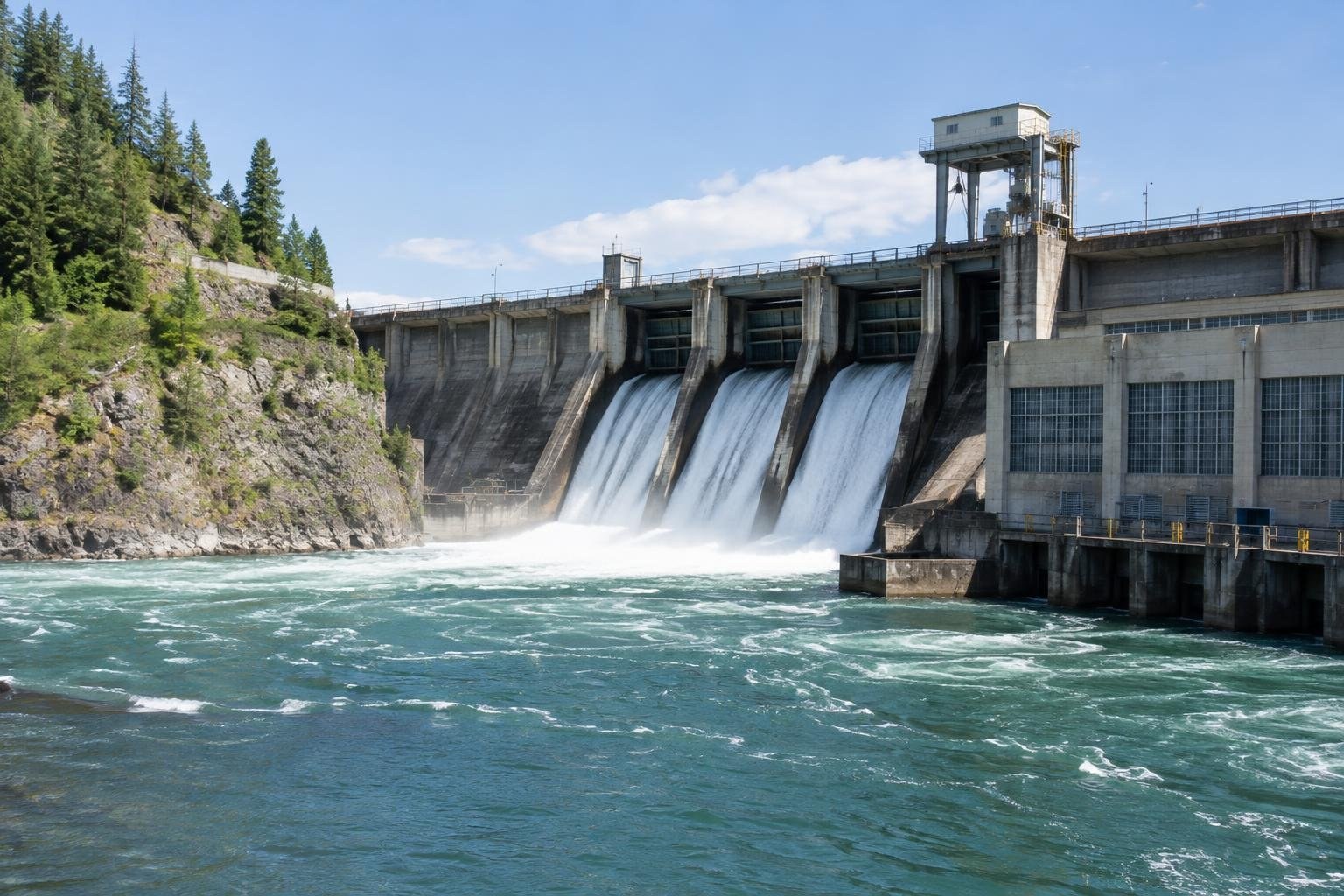
Plant work offers a concrete reference point for judging a curriculum. Hydroelectric plant technicians can operate and monitor equipment such as turbines, pumps, valves, gates, fans, electric control boards, and battery banks. Other descriptions include installing, inspecting, maintaining, and repairing plant machinery and associated water-passage equipment, including spillway gates.
Translate those duties into questions for admissions staff: Does the program teach students to understand operating systems, perform inspection-related work, or prepare for maintenance tasks? Which parts are taught in class, and which are practiced? The goal is not to demand a particular piece of equipment in every lab. It is to establish whether the instruction has a credible connection to the work the program says it supports.
Choose Between Plant Work and Engineering Support
Hydropower technician and engineering technician are related directions, but the work is not interchangeable. Plant technicians may operate equipment and monitor its performance, or focus on inspection, maintenance, and repair. Engineering technicians work with engineers to plan, design, evaluate, and improve hydropower equipment, processes, and facilities.
That difference can help you choose what to investigate. If you are drawn to plant machinery and its operation, compare courses and local postings that mention operating or maintenance duties. If your interest is in helping evaluate and improve systems, look for engineering technology preparation and check whether the positions you want specify an associate degree or certification in engineering technology. Do not treat either path as an automatic route to an engineering degree or a particular job.
Credentials: Match the Level to the Intended Role
The program context lists several possible credential levels for the field: certificate, associate’s, bachelor’s, post-bachelor’s certificate, graduate certificate, master’s, and doctorate. This describes the range associated with the field, not a guarantee that any one institution offers all of them. Confirm each school’s actual credential and program requirements.
For the plant technician occupation, the supplied Department of Energy information identifies a high school diploma or equivalent as required and notes that some technicians complete technical or associate education in a related field. Engineering technician guidance describes an associate degree or engineering technology certification as typical preparation. These are different reference points; read the specific job announcement and program catalog rather than assuming that one credential applies to every role.
Ask the school for a course sequence and expected completion timeline for your enrollment pattern. The program title alone cannot establish how long you will need, especially if you bring prior credits or study part time.
Estimate the Cost of the Specific Pathway
Tuition is only one element of the commitment. Before comparing offers, ask each school for a written estimate of the full cost for the credential you would actually pursue, including required fees, books, tools or supplies, and any travel or facility attendance tied to practical learning. These are items to verify, not expenses that every program necessarily charges.
Then compare the likely cost with the pathway you are considering. Ask about transfer-credit decisions before you enroll, and compare your course plan with actual job requirements. Use current school-specific figures and aid information; do not justify borrowing with an assumed salary.
Career Directions: Operations, Maintenance, and Technical Support
The most clearly described occupation connected to this field is hydroelectric plant technician. The work can involve operating plant equipment, monitoring performance, and making adjustments. Maintenance duties may involve electrical, mechanical, or electronic equipment; the Department of Energy also describes installation, inspection, maintenance, operation, and repair of machinery and water-passage equipment.
A second direction is engineering technician work in support of engineers. The role described by the Department of Energy includes planning, design, evaluation, and improvement of hydropower equipment, processes, and facilities. For broader career exploration, compare electrical engineering technicians and mechanical engineering technicians as adjacent technical occupations, not as guaranteed destinations of a hydropower program.
Check current openings in the locations where you could work, and compare the exact duties and education requirements rather than borrowing figures from another energy occupation.
Verify What Hands-On Experience Actually Means
Practical experience is useful only when you know what it involves. Ask whether the program includes supervised testing, inspection exercises, maintenance-related assignments, or technical reporting. The field description supports those subject areas, but it does not confirm that every school offers a particular internship, plant visit, or equipment lab.
For each experience a school advertises, ask whether it is required or optional, who arranges it, and what students actually do. If an employer or program mentions a credential or training requirement, clarify whether it is part of the academic award or a separate qualification.
Further Education Should Follow a Clear Role Goal
Further education makes sense when it corresponds to a different work objective. If your aim is to support engineers as they plan, design, evaluate, or improve hydropower equipment and facilities, examine engineering technology options and the education stated in relevant job postings. For this kind of engineering technician role, the Department of Energy describes an associate degree or certification in engineering technology as typical.
The supplied sources do not define a standard graduate-school route for hydroelectric plant technicians. Before considering advanced study, identify the position or specialization you want and ask employers or an academic adviser what qualifications it actually requires. A higher credential is not, by itself, evidence that the curriculum is the right fit.
Compare Related Technical and Engineering Paths
Adjacent fields can be useful comparisons when they lead toward different types of work. Electrical or mechanical engineering technology may be worth examining if your interests center on related systems or equipment; engineering technician duties can support engineers working on hydropower equipment, processes, and facilities. For career exploration, Assessment.com has guides to electrical engineering technologists, mechanical engineering technologists, electrical engineers, and mechanical engineers.
Use those comparisons to identify the kind of work you prefer, not to assume that the fields share the same curriculum or qualification rules. Engineering technician support is distinct from engineering work, and the credential expectations may differ. Compare courses and job descriptions side by side before choosing a major or credential.
A Hydropower-Specific Program Comparison
Evaluate a hydropower program by tracing a line from the learning objective to the job task: a course or assignment should teach something relevant to the work you want to explore. If you want an operations path, ask how instruction relates to equipment operation and performance monitoring. If maintenance is the draw, ask how testing, inspection, and maintenance procedures are addressed. For engineering support, ask how students practice technical evaluation or reporting.
Before committing, check the official course catalog, credential awarded, required attendance, and program-specific costs. Ask schools to explain practical learning in concrete terms and to distinguish confirmed opportunities from possibilities. Finally, review local job postings for the education and responsibilities employers request. This is more informative than comparing program names alone.
Which job duties does this curriculum directly address?
What practical assignments or equipment access are included?
What credential is awarded, and what does it qualify me to apply for?
What is the total cost and likely completion schedule for my situation?
What do employers in my intended location request?
Map Education to the Role You Want to Explore
There is no single sequence that applies to every student. One possible planning route is to meet the education requirements of a plant opening, then pursue employer training and develop experience in the operating or maintenance duties assigned to that role. The Department of Energy identifies a high school diploma or equivalent for hydroelectric plant technicians and notes that some complete related technical or associate education.
A different route is to pursue engineering technology preparation for an engineering technician position. In that role, the work may support engineers planning, designing, evaluating, or improving hydropower equipment, processes, and facilities. Treat these as separate options to investigate, not promises of advancement. Requirements, hiring decisions, and opportunities depend on the particular employer and position.
When This Field May Be a Good Fit
This field may be worth exploring if you want technical preparation connected to power-generation systems, equipment, and applied engineering work. The tradeoff is that a program title cannot tell you how much practical work it includes, which roles its graduates pursue, or whether its credential matches a local employer’s requirements.
Make the decision by comparing three things: the work you want to do, the curriculum and practical instruction the school can document, and the full cost of completing that credential. Plant operations and maintenance are not the same pathway as engineering technician support. If your preference is unclear, compare job descriptions and related careers before choosing a program. For additional exploration, see Assessment.com’s architecture and engineering careers and degree pathways.
Frequently asked questions
What is hydroelectric energy technology?
Hydroelectric energy technology prepares students for technical work connected to hydropower equipment and systems. A program may include principles of hydroelectric energy, energy transfer and storage, testing, inspection, maintenance, and technical reporting. Course details vary, so review the specific catalog before enrolling.
Do you need a degree to become a hydroelectric plant technician?
The program context identifies a high school diploma or equivalent as the typical minimum for hydroelectric plant technicians. Some technicians complete technical or associate education in related fields. Employers set requirements for individual openings, so compare job postings with the credential and coursework offered by a school.
What equipment do hydroelectric plant technicians work with?
Plant technicians may operate and monitor turbines, pumps, valves, gates, fans, control boards, and battery banks. Other duties can involve inspecting, maintaining, or repairing machinery and water-passage equipment. The balance between operations and maintenance depends on the position.
How is a hydropower technician different from an engineering technician?
A hydroelectric technician’s work centers on plant operations and equipment. An engineering technician typically supports engineers as they plan, design, evaluate, or improve equipment, processes, and facilities. The roles have different work emphases, and their education expectations may differ.
What does CIP code 15.1705 mean for this program?
The CIP code provided for this field is 15.1705. It identifies a field of study, not a promise that every school offers the same credential or curriculum. Check the institution’s program title, catalog, courses, and awarded credential directly.
Can you study hydroelectric energy technology online?
Ask each school how students access equipment, complete testing or inspection work, and gain practical experience. Confirm any required campus visits or facility-based learning before applying.
People Also Ask
What do you learn in hydroelectric energy technology?
The field applies technical skills to hydropower systems and equipment. Program context describes study in energy principles, energy storage and transfer, testing and inspection, system maintenance, and report preparation.
What does a hydropower technician do at a plant?
Hydroelectric plant technicians may operate and monitor turbines, pumps, valves, gates, fans, control boards, and battery banks. Duties vary between positions and plants.
What degree levels are available in hydroelectric energy technology?
The supplied program context lists certificates, associate’s, bachelor’s, post-bachelor’s and graduate certificates, master’s, and doctoral credentials in the field. Availability depends on the institution, so confirm its specific offerings.
What is the minimum education for a hydroelectric plant technician?
A high school diploma or equivalent is identified as the usual minimum for hydroelectric plant technicians. Some complete technical or associate education in a related subject, while employers define requirements for each opening.
What is the difference between an engineering technician and a plant technician?
Engineering technicians support engineers with planning, design, evaluation, or improvement of equipment, processes, and facilities. Plant technicians are more directly associated with operating, inspecting, maintaining, and repairing plant machinery and water-passage equipment.
How much do hydroelectric energy technicians earn?
Check current, location-specific postings and occupation-level labor information rather than using figures for a different energy job.
Hydropower study is best evaluated as preparation for a specific kind of work: operating plant equipment, maintaining its systems, or supporting engineers who improve equipment and facilities. Compare the program’s practical work and credential with the duties employers describe, then weigh the full cost against your own goals. To explore whether technical careers and related degree paths fit your interests, take the Free MAPP Assessment.
Find out which Career or College Major is right for you!
We use cookies to offer you a better browsing experience, analyze site traffic and personalize content.
Read about how we use cookies and how you can control them in our
Privacy Policy.
If you continue to use this site, you consent to our use of cookies.
×
Exciting News!
Be one of the first to Beta Test the new AI-Powered Assessment.com Platform.