Ecology Degree Guide: Study, Fieldwork, and Career Choices
See how ecology programs approach organisms, populations, and ecosystems, and compare coursework, field experience, costs, and possible next steps.
By Tome Fierre · Staff Writer Assessment.com · Published October 9, 2026 · Last updated November 5, 2026
Ecology is not simply a degree about spending time outdoors. It is a scientific approach to understanding how organisms relate to one another and to the physical conditions around them. A program may examine those relationships at the level of an organism, a population, a community, or an ecosystem, but the balance of fieldwork, lab study, data, and broader biology differs by college. This guide helps prospective students and families compare what programs teach, how their practical experiences differ, and how to connect a degree choice to realistic education and career plans. Use the curriculum and course descriptions to test whether a program’s actual work matches your interests.
Degree & Program Decision Insights
Explore your personal fit, education requirements, career potential and next steps.
01Motivational Fit
Discover whether this program fits you
Explore your preferences against the focus of Ecology. These prompts are not personal MAPP results.
Subject curiosity. Would you choose to explore “biogeochemistry” in depth? Ask for a sample learning activity to test that interest.
Breadth of interest. Consider the place of “landscape and/or marine/aquatic dynamics” in this field. Is this another part you would choose to explore, or mainly a requirement you would tolerate?
Work reality. Related work can involve this task: “Study characteristics of animals, such as origin, interrelationships, classification, life histories, diseases, development, genetics, and distribution.” Would you want that activity to be a regular responsibility?
Interest in studying a field can differ from enjoying its related work.
Which part would you want to do repeatedly, and what would you try before deciding?
Discover Your Personal Program Fit
Before investing your time and money in your education, discover how this program aligns with your natural motivations, work preferences and career goals.
U.S. occupational wages are not guaranteed graduate earnings; OEWS excludes self-employed workers.
Projected openings include replacements as well as growth.
U.S. national estimates. A crosswalk does not establish entry-level eligibility; advanced, management and teaching roles can require further qualifications.
Compare the focus and route of these distinct instructional fields; their credentials and admission requirements are not interchangeable.
Ecology and Evolutionary BiologyCIP 26.1310. Compare its emphasis on animal, plant, population, functional, evolutionary, and ecosystem ecology and ecological and evolutionary genetics with this program’s focus.
Explore your motivations. Use MAPP as a starting point for reflecting on your interest in “biogeochemistry”, then test that interest against a sample learning task.
Examine the work. Compare Zoologists and Wildlife Biologists and Conservation Scientists on daily work and entry qualifications, as well as pay. Explore Zoologists and Wildlife Biologists.
Compare actual providers. Ask for the exact credential, course sequence and assessment methods. Compare how each provider teaches “landscape and/or marine/aquatic dynamics”, its entry criteria and its itemized costs.
Check the evidence before applying. Confirm prerequisites and any recognition or professional requirements for your intended route; ask for applicable rules and published outcome definitions in writing.
Verify the institution’s current offering, admissions requirements and outcomes; a search result does not establish your eligibility.
Ecology asks how living things relate to one another and to nonliving conditions in their surroundings. The subject can be studied at several scales: how an individual organism responds to its environment, how populations change, how species interact, and how communities and ecosystems function. These connected scales help explain why ecology programs may share core biology while offering very different areas of emphasis.
Some schools house ecology within a broader biology degree; others offer a focused major, concentration, or research pathway. The University of Arizona describes a biology curriculum that spans from molecules and cells to organisms, communities, and ecosystems. That breadth illustrates how ecology can be included in general biology without making the two program titles interchangeable. Compare the required sequence and electives to see where the program puts its depth.
For an example of broad biological study that includes ecological scales, read the University of Arizona biology program description. Also explore Assessment.com’s biological and related degree options as you consider alternatives.
What Do You Study in an Ecology Major?
When reviewing an ecology curriculum, look for the questions students learn to investigate, not just a list of impressive subject names. A course might move from environmental effects on individual organisms to population dynamics, interactions between species, and ecosystem patterns. Missouri University of Science and Technology’s catalog provides an example of these kinds of topics and also describes a field-based class applying ecological research.
Use course descriptions to work out the likely student experience. Does a class ask students to make observations, compare evidence, or apply research methods? Is the subject a lecture, a field class, or a combination? These distinctions matter if you want training in field research, or if you prefer a degree with greater emphasis on broader biology or other ecological questions.
Missouri S&T is one example, not a model every college must follow. Review its biological sciences course descriptions, then compare them with the exact requirements at colleges you are considering.
Who Should Consider an Ecology Program?
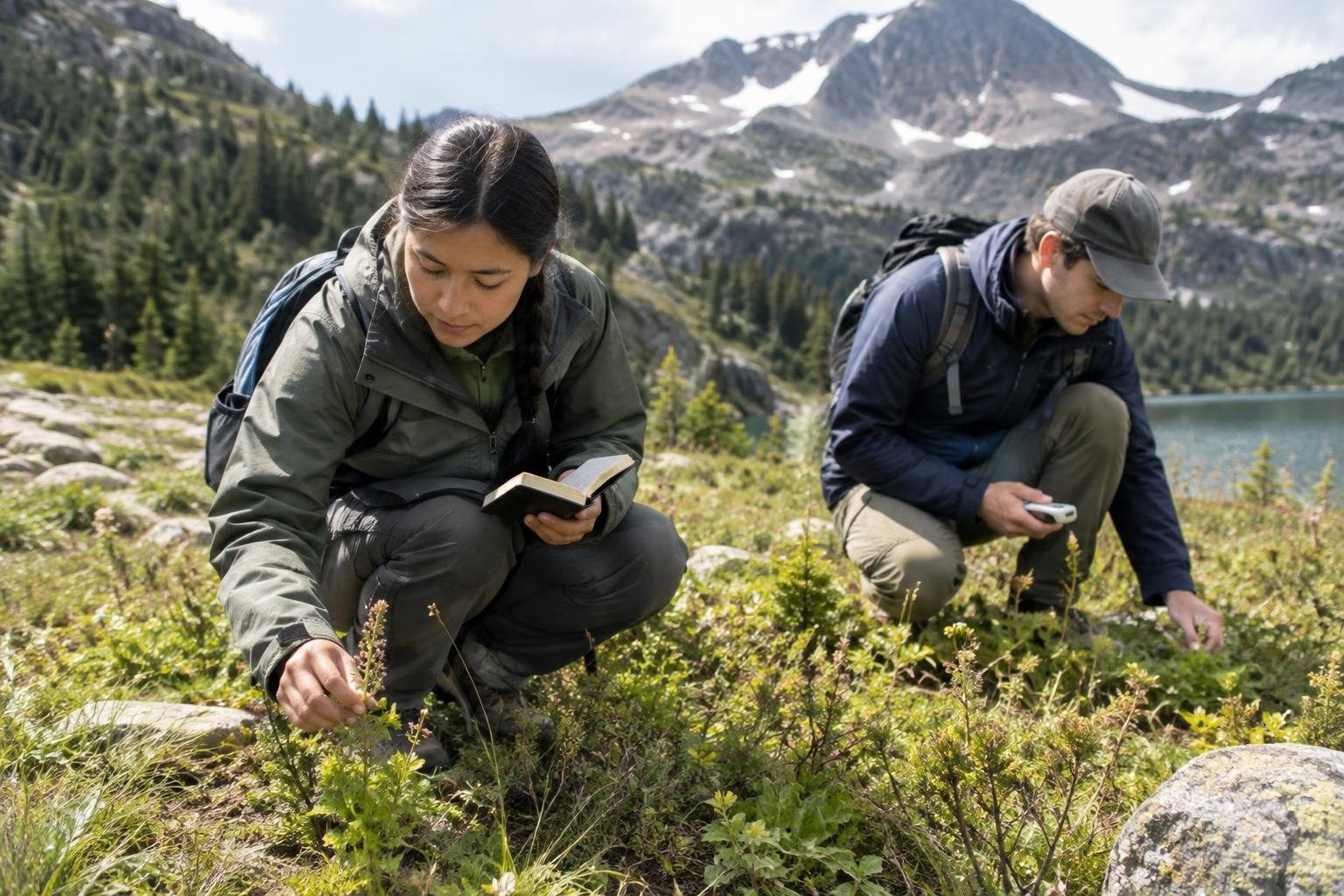
Ecology may appeal to students who want to connect observations about living things to larger patterns. The work can involve paying close attention to conditions, asking why a pattern occurs, and assessing what evidence can support an explanation. Interest in nature may prompt a student to explore the field, but the academic subject also involves scientific reasoning and communicating conclusions.
Picture the work you would like to do during a typical week. Would you enjoy comparing observations or studying how organisms interact? Are you comfortable moving between detailed biological questions and broader system-level ideas? Would you rather spend more time in field settings, or focus on laboratory, research, or other coursework? Program titles cannot answer these questions. Course descriptions and conversations with faculty can.
A broad biology curriculum may suit someone still exploring different life science subjects, while a focused ecology pathway may appeal to a student with a clearer interest in organism-environment relationships. Assessment.com’s MAPP assessment can be one reflection tool alongside curriculum research and conversations with advisers.
Admissions, Prerequisites, and Preparation
Admissions requirements depend on the college, degree level, and program. Do not treat one institution’s prerequisites as a universal checklist for ecology. Confirm current requirements with the specific department, especially if you are applying to graduate study or bringing credits from another institution.
Southern Illinois University’s graduate catalog, for example, recommends prior study in biology, organic chemistry, physics, and mathematics for its multidisciplinary biological and biomedical sciences program. It notes that students with gaps may still be admitted but could need additional coursework. That is a graduate-program example and should not be mistaken for an undergraduate ecology admission rule.
Before applying, ask whether your prior courses meet the program’s stated preparation, how transfer credits are reviewed, and whether any gaps would affect your sequence or time to completion. The Southern Illinois University catalog shows how one graduate program explains recommended preparation. For choosing a major, Assessment.com’s guide to comparing college majors can complement direct program research.
Credential Levels, Study Formats, and Time to Complete
The ecology subject can appear in different credentials and in broader biological sciences programs. Do not infer that a college offers an ecology-specific certificate, degree, or online pathway merely because that credential exists in the field generally. Check the institution’s own current program list.
Study format can shape the learning experience. If field classes, research, or labs are important to your goal, confirm how those requirements are delivered and whether they involve in-person attendance or travel. Ask for the course sequence as well as the format of individual classes; an online label alone does not explain how every requirement is completed.
Cecil College provides one example of an associate biological sciences program with biology, biomedical science, and environmental science concentrations, foundational study, and transfer or career aims. Its offering is not an ecology-specific template. A student considering an associate-to-bachelor’s route should ask the receiving college which courses apply to the intended degree before enrolling.
See the Cecil College biological sciences program information for that institution’s stated options. For related study, explore Assessment.com’s environmental science degree guide.
Tuition, Total Cost, and Financial Aid
Ecology programs do not have one standard tuition price. Your likely total depends on the institution, credential, enrollment pace, aid, and time to completion. Add program-specific costs to the comparison, including required fees and any expenses associated with field courses, travel, or equipment if the college identifies them.
Ask each school for an estimate tied to your plan rather than comparing a single per-credit figure. If you intend to transfer, request a course-by-course review and confirm which credits count toward the next degree. The Cecil College program description identifies transfer as one aim of its biological sciences associate pathway, but a receiving institution determines how credits apply.
Before deciding, ask financial aid staff for an estimate of your net cost and whether your aid depends on enrollment level. If practical ecology coursework is central to your choice, ask whether it carries additional costs. A clear comparison should cover the entire expected study plan, not just tuition for the first term.
Ecology Careers, Jobs, and Employment Outlook
Ecology can provide a foundation for investigating several kinds of work, but the degree itself does not promise a particular occupation. Possible areas to explore include biological research, conservation, environmental work, wildlife-related study, and education. The right preparation depends on the specific role, employer, and level of responsibility.
Separate interests from job eligibility. Make a short list of roles that attract you, then check current postings for education, experience, and other qualifications. University of Denver describes postgraduate routes connected to biological sciences that include academic and government labs, biotech, and professional or doctoral study. It also offers doctoral training in ecology, biodiversity, and evolution. This illustrates possible further-study directions, not a guarantee of employment for ecology graduates.
Explore Assessment.com’s published guides to environmental scientists, zoologists and wildlife biologists, and forest and conservation workers to compare career topics. For advanced research options, review the University of Denver graduate program information.
Find out which Career or College Major is right for you!
Ecology experience is useful to evaluate as part of a program, not as a promise that every student will receive the same opportunity. Ask whether the department offers field-based courses, faculty research, or other projects, and whether they are required, optional, or competitive. The Missouri S&T catalog’s field-based ecological research course is one example of applied study; it does not establish what another school provides.
When comparing opportunities, ask what students actually do and what preparation is needed. A class that applies research methods may provide a different experience from a lecture-only course. If you are considering a project, find out whether it includes direct observation, data interpretation, or a written presentation, and how those activities fit into the degree requirements.
Keep a record of research or course projects so you can describe the question, your contribution, and what you learned. For any job or further study that calls for a specific credential, verify the requirement with the employer or institution. The supplied program information does not establish one ecology-wide certification or licensing rule.
Graduate School and Further Study
Further study may suit students who want to pursue advanced research or a narrower area of biological science. It is one option rather than an automatic next step after an ecology bachelor’s degree. First identify the work you want to do and determine whether a graduate credential is required or simply one possible route.
University of Denver describes a PhD in biological sciences with a training option in ecology, biodiversity, and evolution. Its broader postgraduate examples include academic and government labs, biotech, and continued professional or doctoral study. These examples show the range of destinations associated with that program context, not a uniform outcome for all ecology students.
When reviewing graduate programs, compare faculty research areas, preparation requirements, and the program’s stated purpose. Southern Illinois University’s catalog, for instance, recommends prior biology, organic chemistry, physics, and mathematics for a particular multidisciplinary graduate program. Such expectations are program-specific. Assessment.com’s environmental studies guide offers another direction to consider if your interests extend beyond ecological research.
Related Degrees and Alternatives
Choose an alternative by asking what you want the degree to emphasize. If your interest is biological relationships and ecosystem processes, an ecology focus may be appropriate. If you want a wider sweep of life science topics, a broader biology program may leave more room to explore. University of Arizona’s biology description spans biological organization from molecules and cells through organisms, communities, and ecosystems, illustrating the breadth a biology curriculum can cover.
Biology: Compare its breadth across life science topics with the ecological depth you want.
Environmental science: Consider whether a broader environmental curriculum suits your interests better than a biological focus.
Environmental studies: Review the actual course mix to see whether it matches your preferred approach to environmental topics.
Forestry: Explore this when forest resources are a more specific interest.
Marine or aquatic biology: Compare options if you want study centered on those environments and a college offers that pathway.
Degree names alone cannot resolve the choice. Compare required courses, electives, and practical work. Assessment.com offers guides to environmental studies and forestry for related exploration.
How to Choose an Ecology Program
Compare ecology programs by tracing a course sequence from foundations to focused study. First check which supporting biological sciences are required. Next see whether ecology courses build toward particular topics, such as populations, interactions among species, or ecosystems. Finally, identify where the program gives students a chance to apply research. A catalog example can show what to look for, but only the college’s own current requirements can confirm what you will take.
Then weigh the practical fit. Ask how field or research experiences work, whether they are required, and whether the schedule and location are manageable. If you plan to transfer or apply to graduate school, verify that the courses meet the next institution’s expectations. If you are comparing costs, include the full completion plan and any documented field-related expenses.
Use the same questions for every school and request written answers about transfer decisions, required experiences, and estimated cost. This keeps the comparison focused on the learning and next steps you value rather than the attractiveness of a program title. Assessment.com’s degree exploration resources can help you consider alternatives alongside your subject interests.
Advantages, Tradeoffs, and Is Ecology Worth It?
The value of an ecology degree depends on what a student wants to learn and what they plan to do with that preparation. A focused program can make sense for someone drawn to biological relationships, ecosystem questions, and ecological research. A broader biology degree may be preferable to a student still deciding among life science subjects. Arizona’s biology curriculum illustrates that broader biological scales can include both organisms and ecosystems.
Potential strengths
Study of living systems at individual, population, community, and ecosystem scales.
Opportunity, where offered, to connect ecological concepts with research or field-based coursework.
A route to explore further study in ecology and related biological sciences.
Tradeoffs to weigh
Coursework and practical experience differ substantially by institution.
Career goals may call for preparation or further study beyond the degree itself.
Field requirements, where present, can affect scheduling and expenses.
Before committing, identify the courses and experiences that matter most to you, then confirm they are available in the program. Estimate total cost and investigate the requirements of likely next steps. The decision is personal: no single degree title or return applies to every student.
Questions to Ask Before Enrolling
Use these questions to turn a program comparison into a practical decision:
Which required courses address organisms, populations, species interactions, and ecosystems?
Which classes apply ecological research, and what do students do in them?
Are field or laboratory experiences required, and how are they scheduled?
What is the estimated total cost for my enrollment plan, including any documented field expenses?
Which previous courses will count toward the degree, and can the decision be confirmed in writing?
What preparation does the program expect for advanced courses or graduate study?
Which career or further-study options interest me, and what qualifications do current postings or programs request?
These questions focus on the substance of ecology study rather than assumptions based on a major’s name. A course catalog can reveal the academic emphasis; a direct discussion with the department can clarify practical requirements. Compare the answers across programs before deciding.
Frequently asked questions
What does an ecology degree focus on?
An ecology degree focuses on relationships among organisms and between organisms and their physical environments. Depending on the program, students may study populations, species interactions, ecosystems, environmental influences, and ecological research. Course titles and practical opportunities vary, so inspect the curriculum rather than relying on the major name alone.
What kind of practical work might ecology students do?
Ecology coursework can involve scientific concepts, observation, research, and interpreting evidence. Some programs include field-based classes; others may offer different balances of laboratory, data, or broader biology work. Review the required courses and ask what students actually do in practical classes before deciding whether the workload fits you.
How is ecology different from a general biology degree?
A biology degree may survey a wider range of living systems, while an ecology program centers more specifically on relationships among organisms and their surroundings. The distinction is not identical at every college. Compare required courses and research options to see whether a biology major offers the ecological depth you want or a specialized program is a better match.
What careers can ecology studies connect to?
Ecology knowledge can be relevant to biological research, conservation, environmental work, wildlife-related study, and education. A degree does not guarantee a particular job, and employers set requirements for each role. Identify specific jobs of interest and compare their current qualifications with the courses and experience available in a program.
What affects the cost of an ecology degree?
There is no single cost for an ecology degree. Total expenses depend on the college, credential, enrollment plan, financial aid, and time to completion. Ask for an estimate that includes fees and any required field travel or equipment, then compare the likely full cost rather than tuition alone.
Do ecology students need graduate school?
Graduate study is one possible next step, especially for students seeking advanced research or specialization, but it is not a universal requirement for ecology-related work. Requirements differ by position. Check job postings and graduate program expectations for the particular direction you are considering.
People Also Ask
What subjects are covered in ecology courses?
Ecology classes examine how organisms interact with each other and respond to environmental conditions. Depending on the program, students may study population dynamics, species relationships, ecosystems, and ecological research methods.
How long does an ecology program take?
Program length varies with the credential, course load, transfer credits, and the institution’s required sequence. Ask each college for a completion plan based on your specific record and intended enrollment pace.
Are ecology degrees mostly fieldwork?
Field experiences may be part of an ecology curriculum, but the amount and format vary by institution. Check required course descriptions and ask whether students travel, complete outdoor observations, or can meet requirements another way.
Can I study ecology through a biology major?
A biology program may include ecology among a broad range of biological topics. Compare the required courses and electives to determine whether it provides enough depth in ecosystems and organism-environment relationships for your goals.
How do I choose between ecology programs?
Compare the total expected cost, required courses, hands-on learning, and transfer or graduate plans. A program is a stronger fit when its specific learning opportunities support a goal you have checked against real job or further-study requirements.
Is ecology part of biological science?
Ecology is one focus within the life sciences, emphasizing biological relationships with other organisms and the environment. A general biology program may cover additional scales and subjects, depending on its curriculum.
Ecology is a way to study how living systems work across scales, from organisms responding to local conditions to interactions within whole ecosystems. Whether it is a good degree choice depends on the questions you want to investigate, the practical work your preferred program includes, and the next career or study step you have in mind. Compare course requirements, field and research opportunities, transfer plans, and total cost before committing. Assessment.com can help you reflect on career and degree fit as you explore your options.
Want to see your options? Try our comprehensive Degree, Program & College Search tool
We use cookies to offer you a better browsing experience, analyze site traffic and personalize content.
Read about how we use cookies and how you can control them in our
Privacy Policy.
If you continue to use this site, you consent to our use of cookies.
×
Exciting News!
Be one of the first to Beta Test the new AI-Powered Assessment.com Platform.