Degree Library
Land Use Planning and Management Degree Guide: Courses, Careers, and How to Choose
Learn what Land Use Planning and Management/Development programs teach, what credentials and study formats to compare, and how the field can connect to natural-resource, planning, and policy careers.
Land Use Planning and Management/Development programs explore how communities, agencies, and other organizations make decisions about land and natural resources. Depending on the school, students may encounter planning methods, environmental regulations, infrastructure, water quality, habitat conservation, and resource management. The program can connect with careers in land management, conservation, public lands, and related planning or policy work, but the degree title alone does not guarantee a particular job or qualification. Not sure whether this field fits you? Take the Free MAPP Career Assessment to explore how your motivations, interests, and preferences may align with this degree and related careers.
Millions of people Take the MAPP Career assessment to see which Degrees are the best Match!
You can too,
What Is a Land Use Planning and Management Degree?
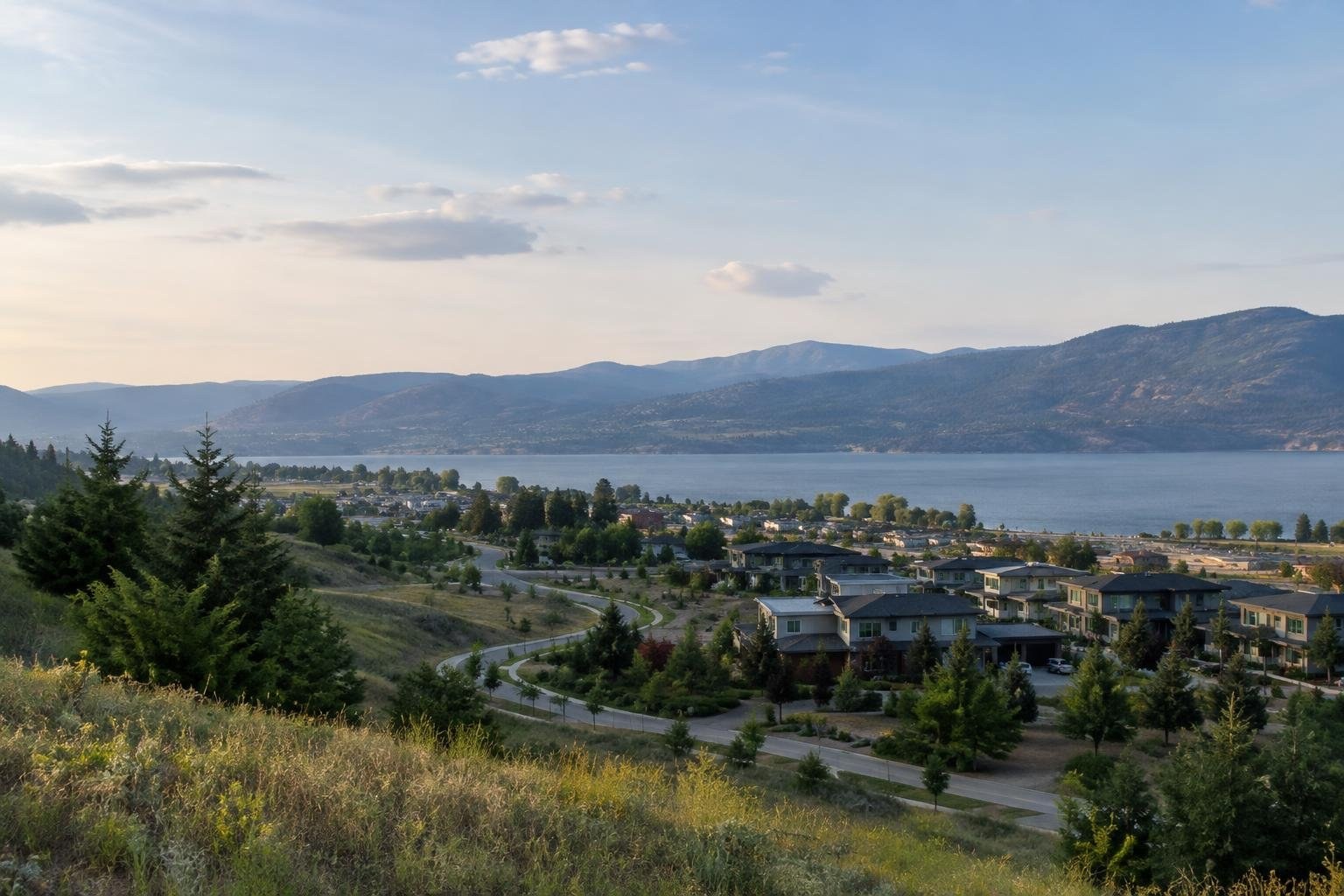
Land Use Planning and Management/Development is an interdisciplinary area focused on decisions about land, resources, and development. Programs may connect planning methods with natural-resource management, public policy, infrastructure, environmental regulation, water quality, or habitat conservation. The exact balance depends on the school and the credential.
It is not one standardized curriculum or a single professional license. A program may take a broad approach to land use, or emphasize public lands, wildlife, environmental science, forestry, energy development, land rights, or another related subject. Compare the required courses, not just the program name.
Related program labels include land-use planning, natural-resource management, public-lands management, and natural resources and environment. A school may place similar coursework in a planning, environmental, policy, or natural-resources department.
What Do Students Study?
Coursework varies, but a program may introduce students to planning goals, information systems, forecasting, and land-suitability analysis. These methods help students examine how a proposed use relates to an area’s needs and characteristics. UC Davis describes related coursework spanning infrastructure, policy, land-use planning, transportation, regulations, water quality, resource management, and habitat conservation.
Students may also encounter ecology, environmental policy, wildlife management, and land-use planning in natural-resource conservation programs. A program with a stronger natural-science orientation can differ from one centered on policy or planning practice. Read syllabi and course descriptions to see what students actually learn.
Some programs may include applied projects, fieldwork, internships, or research, but the supplied program descriptions do not establish that every school requires these. Ask whether students work with real planning materials, public agencies, conservation organizations, or other relevant partners, and whether any hands-on component is required or optional.
Skills You Can Build
Coursework can help students build familiarity with planning concepts, resource-management questions, and the relationship between land use and public priorities. Courses involving information systems, forecasting, or suitability analysis may also develop structured approaches to organizing and interpreting planning information.
Career-relevant strengths may include clear writing, careful analysis, communication with people who hold different priorities, and the ability to explain tradeoffs. Treat these as skills to develop, not automatic outcomes of enrollment. Ask programs how students practice them through projects, presentations, field experiences, or other assessed work.
For a more technical or science-focused direction, compare course requirements in natural resources, environmental science, wildlife, or forestry. If you prefer policy and planning questions, look for evidence of those subjects in required courses and program projects.
Who Is This Program Best For?
This field may appeal to students who are curious about how land decisions affect natural resources, infrastructure, habitat, water, and communities. It can involve both broad questions about policy and practical questions about how planning information is used. You do not need one particular personality type, but you should be willing to compare evidence and consider competing priorities.
Before applying, look at the program’s science and quantitative content. Some courses may include forecasting, planning information systems, or land-suitability analysis. Other programs may emphasize policy and management. Course descriptions and conversations with program staff can help you judge which balance suits you.
Does Land Use Planning Match You?
Salary, reputation, and job prospects matter, but they do not show whether you will enjoy the subjects or work style. Consider whether you want to study land, resources, planning, and public decisions. The Free MAPP Assessment can help you reflect on your preferences; Degree Matching and Career Matching can help you explore related education and career directions where available.
Admissions, Preparation, and Academic Demands
Entry requirements depend on the credential and institution. For graduate study, one source describes a related bachelor’s degree, such as in science, engineering, or agriculture, as a typical requirement and notes that GRE scores may be required in some cases. Those details are not universal; confirm current admissions rules directly with each program.
For undergraduate admission, ask about general college requirements, prerequisite courses, transfer-credit review, and any program-specific requirements. If you are considering graduate study, check whether your prior coursework meets stated science or other prerequisites before applying.
Preparation can include reviewing introductory environmental or natural-resource topics, strengthening writing and quantitative skills, and speaking with an adviser about course sequencing. These steps can help you identify gaps before enrollment, but they do not replace the school’s formal admission requirements.
Credential Levels, Study Formats, and Completion Time
Available credentials can include certificates, associate degrees, bachelor’s degrees, graduate certificates, master’s degrees, and doctorates across the broader natural-resource and land-management landscape. Not every school offers every level, and a certificate may have a different purpose from a degree. Check the credential awarded and whether its credits can transfer or count toward a later program.
A related source describes an associate degree as a possible starting point for entry-level work or further study, while a bachelor’s degree can provide broader study in conservation and related subjects. Graduate programs may serve students aiming for resource-management careers or doctoral work. Program length depends on the credential, enrollment pace, transfer credit, and school requirements; confirm a personalized completion plan with the institution.
Online study is available for some offerings. American Public University describes an online undergraduate certificate in public lands management that introduces land-use planning methods. Ask about any in-person, field, or project requirements before choosing an online or hybrid format.
Tuition, Costs, and Financial Aid
Program costs cannot be represented by one reliable figure across institutions and credential levels. Compare tuition and fees for your residency category and study format, then add books, equipment, travel for any required field components, and living expenses if relevant. Ask the financial-aid office for a written estimate of total attendance costs and likely aid.
Possible funding avenues include federal or state aid for which you qualify, institutional scholarships, private scholarships, employer assistance, and payment plans. Eligibility and availability differ. If beginning at a lower-cost institution and transferring is an option, confirm in advance which courses will transfer and satisfy the intended program’s requirements.
Compare the likely cost of completing the whole pathway, not only the first term or advertised tuition rate. Include the time required, transfer-credit limits, and any additional credential or training costs connected to your career goal.
Careers, Jobs, and Employment Outlook
Related careers include land management assistant, park aide, and conservation assistant, while broader natural-resource programs may connect with wildlife, forestry, environmental science, or resource-management work. An associate credential may be a starting point for some entry-level roles or further study, but no degree guarantees employment or qualifies a graduate for every job with a related title.
| Career direction | How the degree may relate | What to verify |
|---|---|---|
| Land management assistant | Related coursework may introduce land-use and resource-management concepts. | Employer education, experience, and field requirements. |
| Park aide | An associate degree in a related area may support an entry-level pathway. | Agency-specific hiring criteria and any seasonal or physical duties. |
| Conservation assistant | Conservation and natural-resource coursework may provide relevant foundations. | Required subject area, field experience, and any additional credentials. |
| Land or wildlife management roles | Programs may focus on wildlife management, environmental science, forestry, or natural resources. | The specific specialization and qualifications named in job postings. |
Pay and employment outlook depend on the occupation, employer, location, experience, and education. Research each job title using current U.S. Bureau of Labor Statistics or O*NET information, and compare that information with local postings. Avoid treating a broad degree title as a salary category.
Public agencies, conservation organizations, and other land or resource employers may be relevant places to investigate. Check current vacancies to see which are hiring and what they actually require. For longer-term possibilities, consider whether graduate study or specialized experience is commonly requested for your target roles.
Find out which Career or College Major is right for you!
Take the MAPP free today!Experience, Certifications, and Licensure
Use project work, research, internships, volunteer experience, and relevant employment to show how you apply what you learn. Ask a program whether it helps students locate these opportunities and whether any are required for completion. You can also look for opportunities with agencies, conservation groups, or land-management organizations, while checking their own eligibility and selection rules.
How to Stand Out to Employers
- Keep examples of planning analyses, research, maps, or written work that you are permitted to share.
- Explain your contribution to team projects and how you handled evidence or competing considerations.
- Gain experience related to the specific roles you want, rather than collecting unrelated activities.
- Check job postings for recurring skills and qualifications, then discuss gaps with an adviser.
A degree and a professional license are not the same thing. Requirements differ by job and jurisdiction. Ask employers or relevant agencies whether a particular role requires a license, certification, additional training, or a specified degree before paying for an extra credential.
Graduate School and Further Study
Possible next steps include a graduate certificate, master’s degree, or doctorate in a related area. Graduate study may help students pursue advanced resource-management work, deepen a specialization, or prepare for doctoral research. It is not automatically necessary for every land-management or conservation role.
Harvard Extension School has described a graduate certificate in Natural Resource Management and Sustainable Ecosystems, but its page identifies the certificate as retiring. Treat this as an example of a credential type, not an assurance that applications are open. Verify current program availability, admissions rules, cost, and credit applicability with the institution.
Before committing to graduate study, review target job postings and speak with employers or faculty about whether an advanced credential is useful for the work you want. For doctoral study, ask how the program supports research preparation and whether its focus aligns with your interests.
Related Degrees and Alternatives
Compare alternatives by their required courses and the work they prepare students to explore. Similar titles can conceal meaningful differences in emphasis.
- Natural resource management: consider this if you want a broad focus on managing resources and ecosystems.
- Environmental science: consider this if you want a program centered more strongly on environmental science and analysis.
- Wildlife or fisheries management: consider this if your main interest is wildlife, fish, or habitat management.
- Forestry: consider this if forest systems and management are your primary focus.
- Environmental or natural-resource economics: consider this if you want to explore the economic dimensions of resource decisions.
- Public policy or planning: consider this if policy, infrastructure, and planning processes are more compelling than field-oriented resource subjects.
- Public lands management certificate: consider this if you want focused undergraduate-level study in public lands planning methods rather than a full degree.
When comparing land-use planning with environmental science, ask how much each curriculum emphasizes planning, regulation, policy, and resource-management decisions versus environmental-science coursework. For any alternative, verify graduate-school prerequisites and the qualifications requested by employers in your intended career.
How to Choose a Program and Evaluate Its Quality
A program’s label does not establish its quality or suitability. Look for institutional and program accreditation where applicable, and verify any accreditation claim with the named accreditor. If a career requires a particular credential or license, check requirements with the relevant employer or licensing authority rather than assuming a degree meets them.
Compare required courses and specializations, faculty expertise, practical learning, field or internship access, delivery format, transfer-credit rules, graduation information, career services, and employer connections. Ask for total costs and financial-aid details in writing. For online programs, clarify whether any activities require campus attendance or travel.
Questions to Ask Before Enrolling
- What credential will I earn, and is the institution appropriately accredited?
- What is the full estimated cost through completion, after grants and scholarships?
- Which courses are required, and how much planning, policy, science, or resource management do they cover?
- Are internships, fieldwork, or applied projects available or required?
- What qualifications do employers request for the jobs I want?
- Will my previous credits transfer, and can credits apply to later study?
- How does the format work for online, hybrid, or campus students?
- What career services and employer connections can students use?
- Does the program prepare students for any relevant certification or licensing process?
From Degree to Career: Example Pathways
Career paths are not automatic, and the examples below are possibilities rather than guaranteed promotions. Confirm the education and experience employers request for each role.
- Associate study in a related field → entry-level park aide or conservation assistant roles to investigate → relevant experience → a more specialized land or resource-management position, if qualified.
- Bachelor’s study in natural resources or a related area → apply for relevant land, conservation, or resource-management roles → build experience in a subject area such as wildlife, forestry, or planning → consider graduate study if it serves a specific career goal.
- Related bachelor’s degree → graduate study in resource management or a related field → research or advanced management opportunities, depending on program and employer requirements.
Before choosing a pathway, collect several current job postings for your intended occupation. Note the requested degree, specialization, experience, and credentials, then ask program advisers how their curriculum maps to those requirements.
Frequently asked questions
What is a Land Use Planning and Management/Development degree?
Land Use Planning and Management/Development studies how land is used, planned, and managed alongside natural resources, infrastructure, environmental rules, and public priorities. Depending on the program, students may study planning methods, resource management, water quality, habitat conservation, policy, and land-use analysis. Some programs are broad, while others focus on a related area such as wildlife, forestry, or environmental science.
Is land use planning and management a difficult major?
It can be challenging if you are uncomfortable combining several kinds of work. Programs may draw on natural sciences, policy, planning, and information systems. Some coursework involves forecasting, suitability analysis, or organizing planning information. Review course descriptions and prerequisites at each school to judge the level of science and quantitative work before enrolling.
What jobs can I get with a land use planning degree?
Potential roles include land management assistant, conservation assistant, park aide, and other jobs related to natural-resource or land management. The specific opportunities depend on the program, employer, location, experience, and any additional qualifications a position requires. Check current job postings for the roles you want and compare their stated education and experience requirements with the program’s curriculum.
How much can I earn with a land use management degree?
There is no single salary for this degree because graduates may pursue different occupations, and pay varies by job, employer, location, and experience. Look up the exact occupation rather than relying on a degree-wide salary claim. For each role you are considering, compare current U.S. Bureau of Labor Statistics or O*NET information with local job postings and the education requirements employers list.
Can I study land use planning online?
Some land-use and natural-resource courses or credentials are offered online. For example, American Public University describes an online undergraduate certificate in public lands management with coursework introducing land-use planning methods. Online availability does not mean every program or experience requirement is remote, so ask schools about fieldwork, internships, campus requirements, and how the credential applies to your career plans.
What qualifications do I need to enter a graduate program in land management?
Requirements vary by institution and credential. For graduate study, one source describes a related bachelor’s degree in science, engineering, or agriculture as a typical prerequisite and notes that GRE scores may be required by some programs. Confirm the current admissions page for each school, including prerequisites, GPA expectations, test policies, and whether relevant experience is considered.
Do land use managers need a license or certification?
No single license or certification requirement is established for every job connected with land use management. Requirements depend on the occupation, employer, program, and sometimes the jurisdiction. Before enrolling, identify the particular roles you want and ask employers or relevant agencies whether they require a license, certification, specialized training, or a specific degree.
How is land use planning different from environmental science?
Compare the subjects emphasized. Land-use programs may combine planning, policy, infrastructure, regulations, water quality, and resource management. Environmental science generally signals a stronger emphasis on environmental science, while natural-resource programs may center on managing resources and related ecosystems. Program names are not standardized, so compare required courses and practical experiences directly.
People Also Ask
What do you learn in land use planning and management?
Programs may cover planning methods, land-use and resource management, environmental regulations, infrastructure, water quality, habitat conservation, and policy. The mix varies, so review the required courses and any field, project, or internship opportunities at each school.
What degree levels are available in land management?
The credential may be offered through certificates, associate degrees, bachelor’s programs, and graduate study, but availability and program structure differ among schools. Ask each institution which credentials it offers and whether credits can apply toward further study.
Can I get an entry-level job with an associate degree in land management?
A land management associate degree may provide a starting point for entry-level roles such as land management assistant, or serve as a route toward a bachelor’s degree. The jobs available depend on the employer’s requirements and the student’s experience.
Are land management certificates available online?
Some schools offer online options, including an online undergraduate certificate in public lands management. Confirm whether the specific program includes in-person components, field experiences, or other requirements, and check that its content meets your goals.
How do I choose a land use planning program?
Compare the program’s course requirements, subject emphasis, experience opportunities, format, full cost, and transfer policies. Then look at job postings for roles you want and check whether the program prepares students for the education or experience employers request.
Is a land use planning degree worth it?
Potentially, but value depends on total cost, the credential earned, the jobs you intend to pursue, and whether the program builds relevant knowledge and experience. Compare realistic career options and their requirements before deciding whether the time and expense make sense for you.
Land Use Planning and Management/Development may suit students who want to understand how land, natural resources, infrastructure, and public decisions interact. Programs can differ substantially in their balance of policy, science, planning methods, and resource management, so compare actual courses and experience opportunities rather than relying on the degree title alone. Consider the roles you hope to pursue, the education they require, the full cost of the program, and whether its day-to-day subject matter fits you. Take the Free MAPP Career Assessment to explore how your interests and preferences may align with related careers and educational paths.
Want to see your options? Try our comprehensive Degree, Program & College Search tool
College Search ToolSources & Official Resources
- Natural Resource Management and Sustainable Ecosystems Graduate Certificate (Retiring) | Harvard Extension School
- Land Use and Natural Resources | Continuing and Professional Education
- Natural Resources and Environment | University of Alaska Fairbanks Catalog
- Online Undergraduate Program in Public Lands Management | American Public University (APU)