Degree Library
Forest Technology Degree Guide: Courses, Careers, and Program Choices
Learn what forest technology programs teach, how credentials differ, what forest and conservation technicians do, and how to compare program costs, fieldwork, and career pathways.
A forest technology program teaches practical skills used to support forest management, conservation, and related natural-resource work. Depending on the credential and school, students may prepare for technician roles or continue into broader forestry and natural-resources study. Coursework may combine science, technical instruction, and hands-on learning, so prospective students should look beyond the program title and compare the actual field experiences and career preparation. Forest technology may appeal to students who want applied learning connected to forests and natural resources. Some roles involve outdoor work, including work in remote locations; the mix of field and office tasks varies by job. Programs and employers differ, so confirm that a particular credential fits the work you hope to pursue. Not sure whether forest technology fits you? Take the Free MAPP Career Assessment to see how your motivations, interests, and natural preferences align with this degree and the careers it can lead to.
Millions of people Take the MAPP Career assessment to see which Degrees are the best Match!
You can too,
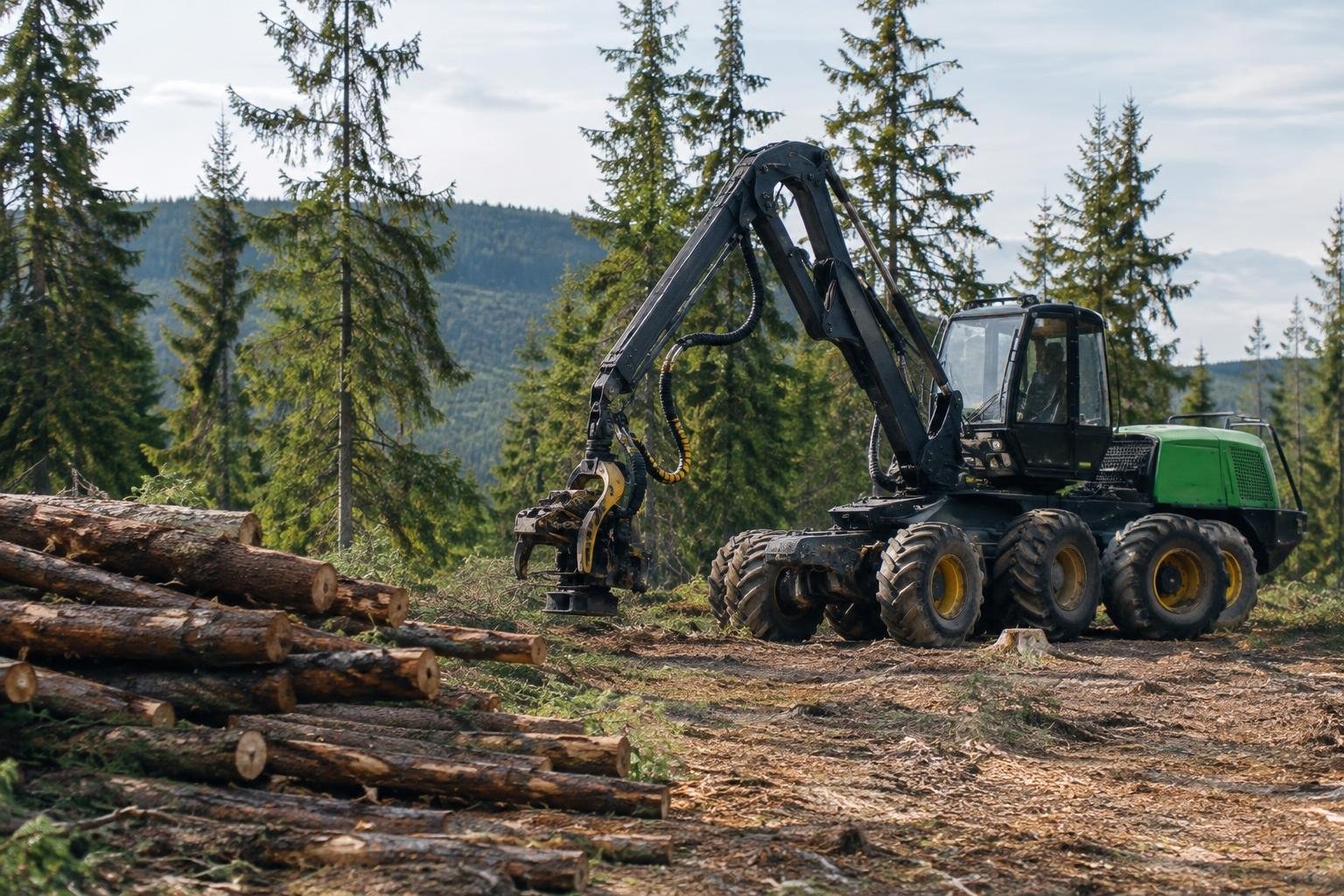
What Is Forest Technology?
What Is a Forest Technology Degree?
Forest technology is an applied area of natural-resources education focused on practical methods used to support forest management and conservation. Students may learn how to assist with resource-related fieldwork, record observations, and provide technical support to foresters or other natural-resource professionals. The exact scope depends on the school and credential.
Program names include forest resources technology, forestry management technology, and natural-resources technology with a forest resources emphasis. These labels are not interchangeable guarantees: review course requirements and outcomes rather than assuming two programs with similar names teach the same material. Forestry as a broader field can address managing, conserving, and protecting forests while balancing environmental needs and commercial timber production.
Forest-related education spans multiple credential levels. A two-year associate degree may be designed for technician preparation, while bachelor’s and graduate programs can support other professional, research, or academic aims. The right level depends on the role you plan to pursue.
What Students Learn
What Do You Study in Forest Technology?
Programs commonly connect classroom instruction with applied learning, but courses differ by institution. A forest resources technology associate program, for example, is described as developing practical skills for forestry and natural-resource technician work. Forestry programs may offer hands-on learning alongside study in areas such as natural resources, wood science, engineering, or outdoor recreation.
Look for evidence of how a program teaches its technical skills. Field trips and supervised practical activities can help students connect lessons to real forest settings. Ask what students actually do during field experiences, which equipment or methods they practice, and whether these activities are required or optional. Also review the course sequence to see how foundational learning builds toward more specialized work.
Do not assume every forest technology curriculum includes the same labs, internships, research projects, or capstone. Check the current catalog and ask an adviser which experiences are part of the program. If you are comparing an associate degree with a bachelor’s degree, compare not just the course titles but also the depth, practical work, and possible transfer pathway.
Skills and Practical Preparation
Skills You Can Build
Forest technology education is intended to develop applied skills relevant to forestry and natural-resource work. Depending on the program, students may practice gathering and organizing information, observing conditions in the field, using technical procedures, and communicating findings to colleagues or supervisors. These capabilities can support technicians who work alongside foresters and other resource professionals.
O*NET describes forest and conservation technicians as providing technical assistance related to soil, water, forests, and other natural resources. Their work may include compiling information about forest tracts or helping train and lead forest workers. That makes careful observation, accurate recordkeeping, clear communication, and attention to safety useful areas to investigate when reviewing a program.
Ask schools how students develop and demonstrate these skills. Examples might include field assignments, applied projects, or supervised practical learning, but requirements vary. A program that clearly explains how it teaches and assesses practical skills gives you more information than a course list alone.
Who Is This Program Best For?
Who Is Forest Technology a Good Fit For?
This field may suit students who are curious about forests and conservation and who want education connected to practical work. Consider whether you would enjoy learning outdoors as well as in a classroom, collecting and organizing information, and contributing to work led by foresters or other specialists. Some forest and conservation technicians work outside, sometimes in remote locations, so ask about the working conditions associated with jobs you are considering.
No one personality type is required. Interest in natural resources matters, but so do your preferences for fieldwork, teamwork, following technical procedures, and working in locations that may be far from urban services. A person who likes environmental topics but prefers primarily office-based work should compare forest technology with other programs and occupations rather than assuming every role has the same daily routine.
Does Forest Technology Match You?
Salary, job availability, and school reputation are only part of a degree decision. Day-to-day tasks and work settings matter too. Assessment.com’s MAPP Career Assessment can help you reflect on motivations and preferences; Degree Matching and Career Matching can help connect those interests with education and career possibilities where available. Treat matching tools as a starting point, then validate options against program requirements and employer postings.
Admissions, Length, and Academic Demands
Admissions, Program Length, and Difficulty
Admission requirements are set by each college. Before applying, check the current program page for prerequisites, application materials, placement requirements, and any expectations for field activities. The supplied program examples establish that forest technology is offered at the associate level, but they do not establish a single admissions standard for all schools.
Credential length varies. Associate programs are often described as two-year degrees, but an individual student’s time to completion may change with course availability, part-time enrollment, transfer credit, and other circumstances. Certificate, bachelor’s, and graduate pathways differ in length and structure. Ask each school for a sample schedule based on your enrollment plan and transfer history.
Students may find the mix of technical learning and outdoor activity challenging. Preparation can include reviewing course prerequisites, asking what fieldwork requires, and considering transportation, equipment, and scheduling. Get clear answers about attendance expectations and any physical or location-related demands before committing.
Can You Study Forest Technology Online?
Online, Hybrid, and On-Campus Options
Delivery formats vary across colleges and programs. Online coursework may be possible for some subjects, but applied forestry education can include hands-on learning, field trips, or other activities that are difficult to replicate fully online. A program’s online label does not by itself explain how students complete practical requirements.
Ask whether you must attend campus, travel to field sites, or participate in activities on specific dates. Find out whether field experiences are arranged by the school or require you to find a placement, and ask how any required travel affects your schedule and budget. If you need a fully remote option, get written confirmation that every required program component can be completed remotely before enrolling.
Cost and Financial Aid
Tuition, Costs, and Financial Aid
The research available for this guide does not provide comparable current tuition figures, so request a personalized cost estimate from each college. Ask for tuition and required fees for your residency status and format, plus charges that may apply to field activities, equipment, transportation, books, or technology. Costs and included services differ among institutions.
Compare the estimated total cost to complete the credential, not just the tuition rate for one term. Ask the financial-aid office about grants, scholarships, work-study, loans, and whether aid applies to the specific program. Students who already have college credits should ask how transfer evaluation works and whether accepted credits reduce the number of courses they need to complete.
Ways to Make the Program More Affordable
- Compare community-college and four-year options, including transfer arrangements.
- Request a written estimate of tuition, fees, and required program expenses.
- Apply early for institutional and external scholarships for which you qualify.
- Ask your employer whether education assistance is available.
- Confirm how part-time study affects aid and time to completion.
Do not choose a program based on an advertised starting price without confirming the costs of required field experiences and other mandatory expenses.
Career Paths and Job Outlook
Find out which Career or College Major is right for you!
Take the MAPP free today!Careers, Jobs, and Employment Settings
Forest technology can be relevant to forest and conservation technician work. O*NET describes technicians who provide assistance with conserving soil, water, forests, or related resources and may compile information about forest tracts. An associate program in forest resources technology describes preparation for technician work in forestry and natural-resource fields.
Potential settings identified by program sources include government agencies, forestry consulting firms, timber companies, and conservation organizations. A graduate’s actual eligibility depends on the job’s requirements, the credential earned, experience, location, and employer selection.
| Career direction | Typical preparation to investigate | How forest technology may apply |
|---|---|---|
| Forest and conservation technician | Some postsecondary training, such as an associate degree or applied-science certificate, may be relevant; check each employer’s requirements. | Applied preparation can support technical assistance and field or resource-information tasks. |
| Forestry technician | Review job postings for the required credential and experience. | Forest resources technology programs may be designed for technician work. |
| Forest worker or crew support role | Employer-specific training and experience may matter; confirm before applying. | Technicians may help train or lead forest workers, depending on role and experience. |
| Natural-resource field support | Requirements vary by agency or organization. | Training related to forest, soil, water, and conservation work may be useful. |
The sources provided do not establish current pay or employment-growth figures. For a sound career comparison, search the exact occupation and location in current U.S. Bureau of Labor Statistics and O*NET resources, and compare entry-level postings with your planned credential. Do not assume the degree alone guarantees a job or a particular salary.
Experience and Career Preparation
Internships, Experience, and Credentials
Applied experience can help you understand the work and show employers what you can do. Ask whether a program offers field trips, hands-on learning, internships, cooperative education, research opportunities, or supervised projects. Oregon State’s College of Forestry describes hands-on learning opportunities, while a forestry management technology program describes field trips and special events. Experiences vary by school, so verify what is included in the program you are considering.
O*NET reports that forest and conservation technicians usually need one or two years of training involving on-the-job experience and informal training with experienced workers; a recognized apprenticeship may be associated with these occupations. This is occupational training information, not a universal licensing rule or a promise that every employer follows the same route.
How to Stand Out to Employers
- Choose field assignments or projects that demonstrate relevant practical skills.
- Keep examples of coursework and project responsibilities for interviews.
- Ask instructors and program advisers about employer connections and local opportunities.
- Read job postings early and identify requested training or experience you can pursue.
- Distinguish a college credential from any separate employer training or certification requirement.
Accreditation and Professional Requirements
Accreditation, Licensure, and Certification
Do not assume that one accreditation or license applies to every forest technology program or job. Confirm the institution’s accreditation status through authoritative education resources, then ask the college whether the specific program has relevant specialized accreditation. One forestry management technology program describes itself as SAF-accredited, but that example should not be taken as a claim about other schools.
Ask employers and program advisers whether the roles you want require a license, certification, apprenticeship, or employer-provided training. The available sources describe technician education and occupational training, but do not establish a universal license for forest technology graduates. Requirements can depend on occupation and jurisdiction; verify them for the specific role and location.
Further Education and Transfer Options
Graduate Study and Longer-Term Pathways
Students may continue from applied technician training into broader forestry or natural-resources study, but transfer eligibility is school-specific. Ask whether courses from an associate program count toward a bachelor’s degree and request a written transfer plan before enrolling. This can help you avoid taking courses that do not meet the requirements of your intended next program.
Forestry education includes bachelor’s and graduate study, with graduate options extending to doctoral programs. Further study may be relevant to goals such as research or academic work, but it is not automatically necessary for every technician role. Clarify the education employers request for your intended occupation before deciding whether to pursue a graduate degree.
Degrees to Compare with Forest Technology
Related Degrees and Alternatives
Compare alternatives by the subject matter, learning style, and job requirements you want. Program names can overlap, so check each curriculum and talk to an adviser about transfer and career outcomes.
- Forestry: Consider this if you want broader preparation for managing, conserving, and protecting forest resources.
- Forest sciences and biology: Consider this if your main interest is forest systems and biological study; verify the actual course emphasis.
- Natural-resources management: Consider this if you want to compare multiple resource areas rather than focus primarily on forest technology.
- Environmental science: Consider this if you want a broader environmental focus; review how much coursework is devoted to forests and field skills.
- Wildlife, fish, and wildlands science and management: Consider this if wildlife or wildland management is a stronger interest than forest operations.
- Wood science or engineering: Consider this if materials, technical systems, or engineering topics appeal more than conservation fieldwork.
- Outdoor recreation: Consider this if your interests center on recreation and outdoor programs rather than forest technician tasks.
These are broad comparison categories, not assurances about specific job eligibility. Compare required courses, fieldwork, transfer pathways, and the education listed in postings for your target jobs.
Pros, Cons, and Program Value
Advantages, Drawbacks, and Whether It Is Worth It
A potential advantage of forest technology is its practical connection to forestry and natural-resource work. Some programs emphasize applied skills and field learning, which may help students explore the work before committing to a longer academic pathway. Technician-oriented credentials may also offer a focused starting point for students who do not want to begin with graduate study.
Possible drawbacks include variation in course content, field requirements, cost, and employer expectations. Outdoor or remote work may not suit everyone, and a technician-focused credential may not meet the requirements of jobs that expect a different degree or more experience. Continuing education may be necessary for some longer-term goals.
Whether the program is worth the investment depends on total cost, available aid, the role you want, the credential employers request, and your personal fit with the work. Before deciding, compare current local job postings and ask program staff for concrete information about practical learning, transferability, and graduate outcomes. Avoid relying on broad promises about pay or job placement.
Choosing the Right School
How to Choose a Forest Technology Program
Compare programs using evidence you can verify, not only the title or a general promise of career preparation.
- Curriculum: Review course descriptions and ask how students practice technical skills.
- Field learning: Confirm which field trips, hands-on activities, and projects are required, where they occur, and whether they have extra costs.
- Credential and transfer: Ask what credential you earn and whether credits transfer to a specific next program.
- Accreditation: Verify institutional accreditation and any program-specific accreditation directly.
- Cost and aid: Request a full estimate and ask what grants, scholarships, and other aid may apply.
- Format: Confirm campus attendance, travel, field-site, and scheduling expectations.
- Career preparation: Ask which employers or agencies recruit students and what outcomes the school tracks. Request definitions and time frames for any statistics.
- Career requirements: Compare course preparation with current postings for the jobs and locations you are targeting.
Assessment.com’s Degree Matching and Career Matching tools may help you explore options connected with your interests. Use them alongside direct research into programs, costs, and employer requirements.
Your Program-Comparison Checklist
Questions to Ask Before Enrolling
- What credential will I earn, and what roles do graduates commonly pursue?
- What is the full estimated cost, including fees and required field expenses?
- Which field activities are required, and where will they take place?
- What are the current admission requirements and course prerequisites?
- Can I transfer credits into or out of this program? Which receiving schools have confirmed course equivalencies?
- What institutional and program accreditation applies?
- Does the program prepare students for any specific certification or licensing requirement, and who verifies that?
- Can I complete the program part time or online, and which requirements remain in person?
- What financial aid and scholarships can students in this program receive?
- How does the school define and track graduation, employment, and career-service outcomes?
- What employers, agencies, or organizations connect with students?
Write down the answers and compare schools using the same questions. If a detail affects cost, transfer, or eligibility for a job, ask for it in writing.
Possible Education-to-Career Routes
From Degree to Career
A forest technology credential can be one step in a career path, but progression is not automatic. Possible routes depend on employer requirements, experience, available opportunities, and any further education you choose.
- Associate program → pursue relevant technician openings → build field and workplace experience → seek a specialized role that matches employer requirements.
- Technician experience → add employer training or an apprenticeship where available → take on more technical responsibilities as qualifications and opportunities allow.
- Associate program → transfer to a bachelor’s program if accepted → consider broader forestry or natural-resources roles that require additional education.
Before committing to a pathway, test it against real job postings and a transfer adviser’s written guidance. Ask what education and experience are required now, rather than assuming a credential guarantees a particular promotion.
Frequently asked questions
What is a forest technology degree?
Forest technology is an applied area of natural-resources education focused on practical work supporting forest management and conservation. Programs may include field-based learning and preparation for technician roles. Exact coursework and job eligibility vary by school and employer.
Is forest technology the same as forestry?
Some forest technology programs are designed for technician preparation, while forestry bachelor’s and graduate programs can support broader management, research, or academic goals. Compare course requirements and the education listed for the jobs you want; program names alone do not establish that they prepare you for the same work.
Is forest technology hard?
Many programs emphasize applied science and field learning, but difficulty depends on the student and curriculum. Ask about science and math prerequisites, fieldwork expectations, equipment use, and how much time students spend outdoors. Reviewing sample course plans can help you judge the academic and practical demands.
What jobs can I get with a forest technology degree?
Forest and conservation technicians may support soil, water, forest, or other natural-resource conservation work. Tasks can include compiling information about forest tracts and assisting foresters. Employers may include government agencies, private organizations, consulting firms, timber companies, and conservation organizations.
How much can you make with a forest technology degree?
There is no single reliable salary figure for every forest technology graduate. Pay depends on occupation, employer, location, experience, and education. Identify a specific job title, then check current U.S. Bureau of Labor Statistics or other official wage data for the relevant occupation and geographic area before making a financial plan.
Can I earn a forest technology degree online?
Some coursework may be available online, but forest technology can involve hands-on learning, field trips, or practical skills that are difficult to complete entirely remotely. Ask each school which requirements must be completed in person and where field experiences take place.
Does forest technology require a lot of math or science?
It depends on the program and the work you want to do. Course plans can include science and technical subjects, but requirements vary. Review the current catalog and ask an adviser which math and science courses are required before applying.
Do I need a graduate degree to work in forestry?
A graduate degree is not necessary for every technician pathway. Some students pursue further study to prepare for different roles, advanced specialization, research, or academic work. Decide based on the education requirements of your target jobs and whether additional study fits your finances and goals.
People Also Ask
What do you learn in forest technology?
Forest technology programs focus on practical preparation related to forest and natural-resource work. Coursework and hands-on requirements vary by school, so compare course plans and field experiences before applying.
Is a forest technology degree worth it?
A program’s career value depends on the jobs it prepares you for, its total cost, and how well its credential matches employer expectations. Compare the curriculum, practical experience, transfer options, and current job requirements before deciding whether the investment makes sense for you.
Are forest technology programs available online?
Some schools offer online or hybrid coursework, but practical learning may require in-person activities. Ask whether field trips, labs, or other applied requirements are required on campus or at field sites.
What degree is similar to forest technology?
Forest technology is one route into natural-resource education. Related options include forestry, forest sciences, environmental science, wildlife management, and natural-resources management. The best alternative depends on whether you prefer applied technician preparation, broader science study, or a specific resource area.
How do I compare the cost of forestry programs?
Look for current program information on tuition, mandatory fees, field costs, financial aid, scholarships, and transfer credit. Compare each school’s estimated total cost for your expected time to completion, not only the advertised tuition rate.
Can I work in forestry with an associate degree?
Technician positions may involve practical support for forest and conservation work, while management, research, and academic paths can call for additional education or experience. Confirm requirements with employers and current job postings for the role and location you have in mind.
Forest technology can be a practical route into field-based natural-resource work, especially for students interested in forests, conservation, and applied learning. Programs differ in their field experiences, technical training, transfer options, and career preparation, so compare the actual curriculum and total cost before enrolling. Consider the kinds of work you want to do, the education employers expect for those roles, and whether the day-to-day conditions suit you. A certificate or associate degree may be a starting point for technician work; other goals may require a bachelor’s or graduate degree, additional experience, or further study.
Want to see your options? Try our comprehensive Degree, Program & College Search tool
College Search ToolSources & Official Resources
- Academics | College of Forestry - Oregon State University
- 19-4071.00 - Forest and Conservation Technicians
- Forestry Degrees at COCC - Central Oregon Community College
- Forestry Management Technology – HCC SAF‑Accredited Natural Resource AAS
- Natural Resources Technology: Forest Resources - Degree < Mt. Hood Community College