Degree Library
Forest Management Degree Guide: Courses, Careers, Costs, and Program Fit
Explore what forest management programs teach, the credentials available, career directions, costs to investigate, and how to compare programs for fit.
A forest management degree prepares students to make informed decisions about forests and related natural resources. Programs may cover forest ecology, sustainable forestry, wildlife habitat, conservation, and timber management, with an emphasis on balancing ecological needs and human uses. The exact focus depends on the school and credential level. Students can find forest-related education at the associate, bachelor’s, graduate-certificate, master’s, and doctoral levels. Possible directions include forestry technology, forest resource management, wildlife management and conservation, and research or academic work. Compare programs by what they teach and what kind of work they prepare you to pursue, not just by the word “forestry” in the title.
Millions of people Take the MAPP Career assessment to see which Degrees are the best Match!
You can too,
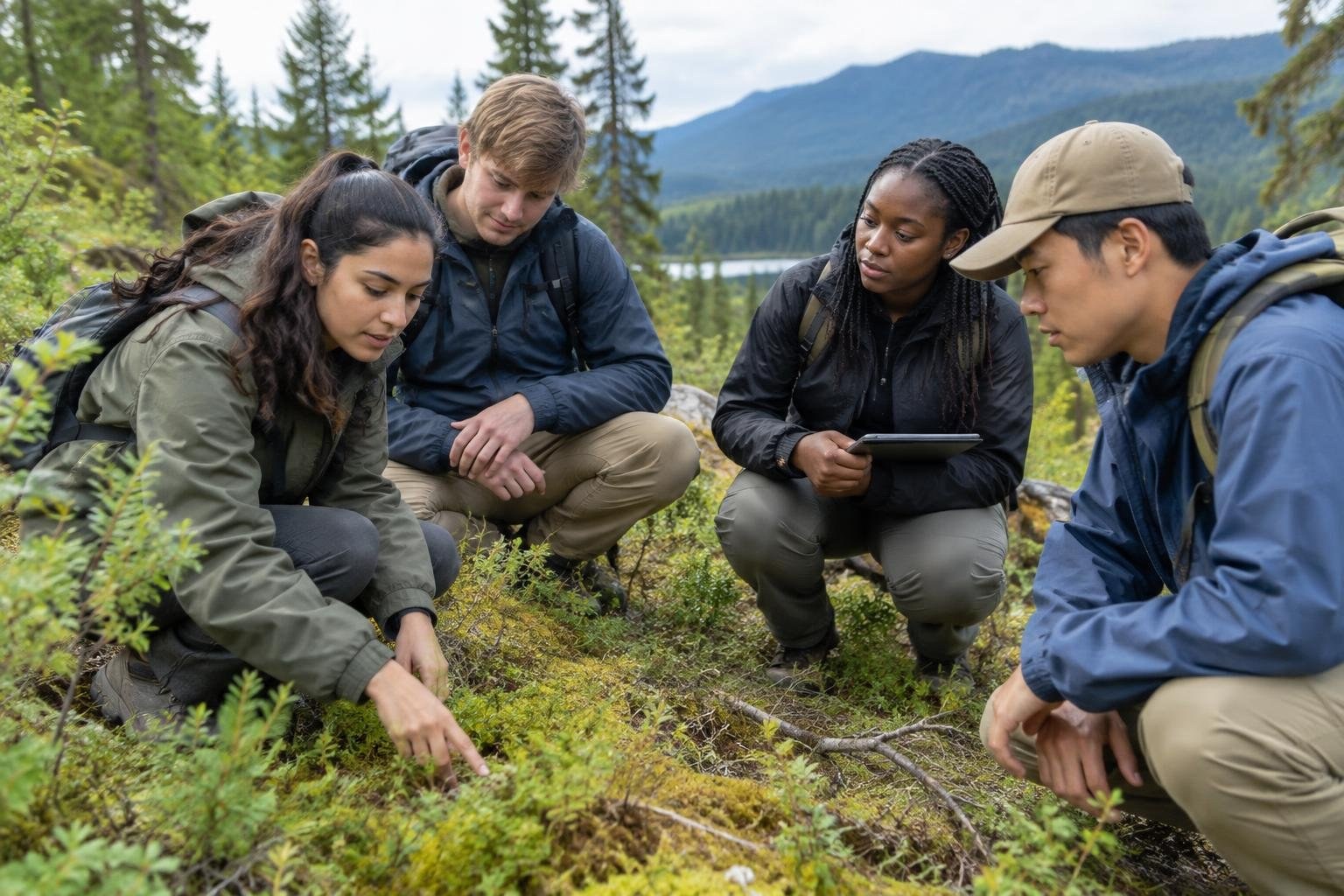
What Is a Forest Management Degree?
Forest management is the study and practice of managing, conserving, and protecting forest resources. The work involves understanding forest ecosystems and weighing environmental needs alongside human uses, including commercial timber production. Programs may also address wildlife habitat and broader natural-resource conservation.
“Forest management,” “forest resources management,” and related forestry program names can describe overlapping but not identical curricula. One school may emphasize forest ecosystems and plantations; another may include parks, urban forestry, or wildlife management. Read course requirements and specialization descriptions to learn what a specific program means by its title.
Forestry education is available at multiple levels. An associate degree may prepare students for technician-oriented work, while bachelor’s and graduate programs offer different levels of professional, specialized, or research study. The program description and intended outcomes matter more than the title alone.
For examples of how institutions frame these programs, compare NC State’s forest management major, the University of Minnesota’s forest and natural resource management program, and Oregon State’s forestry and natural-resources offerings.
What Do Forest Management Students Study?
Coursework varies by college, but forest management programs commonly bring together general education and professional study. Subject areas may include forest ecology, sustainable forestry, wildlife habitat, timber management, and natural-resource conservation. The balance between these topics depends on the degree and the school’s specializations.
Consider how a curriculum turns subject knowledge into decisions. Forest ecology helps students understand the systems being managed; wildlife and habitat study connects management choices with species and places; and forestry or timber coursework addresses resource use. Some colleges describe their majors as STEM programs, while others highlight a broader balance of general and professional coursework.
Learning may extend beyond lectures. Programs can offer field sessions, hands-on learning, research opportunities, or study abroad. Ask which experiences are required, how often students participate, and whether the work is available to all students or limited to particular courses or options. A program’s hands-on component may be especially important if you learn best by applying concepts to real settings.
Review a sample four-year or degree plan, not just a short list of program themes. Check for prerequisite sequences, electives, concentrations, and a final project or research requirement. These details show how much flexibility you will have and whether the curriculum lines up with your interests.
Skills You Can Develop
The degree can help students build knowledge of forest systems and resource management, alongside skills useful for planning and conservation work. Depending on the curriculum, students may practice analyzing environmental information, considering the effects of management choices, and communicating about resource priorities.
Technical experience can include field methods or other applied learning. Some programs also offer opportunities that broaden students’ perspective through research or study abroad. Ask what specific tools, software, and methods students use; the supplied program descriptions do not establish a standard technology package shared by all schools.
These capabilities can connect to work in forestry technology, forest management, wildlife management and conservation, or research and teaching. Employers may value experience in addition to coursework, so look for chances to build practical examples of your work through projects, field activities, research, or internships.
Who Is Forest Management Best For?
Forest management may appeal to students interested in forests, conservation, wildlife, and the choices people make about natural resources. It can suit learners who want to connect ecological topics with applied management rather than study ecosystems only in the abstract. Some programs also cover timber production, parks, or urban forestry, so there is more than one possible focus.
You do not need to fit a single personality profile to consider this major. Think about whether you enjoy science-based questions, outdoor or hands-on learning, long-term planning, and balancing competing priorities. If you prefer a different emphasis, compare wildlife conservation, forest science, environmental science, and environmental studies programs by their actual required courses.
Does Forest Management Match You?
Salary, reputation, and projected job growth are only part of an education decision. Your interests, preferred work environment, and tolerance for the program’s academic demands matter too. Use the MAPP Career Assessment to consider how your motivations and preferences relate to forest management and possible careers. Degree Matching and Career Matching can help you compare pathways, while Matching Jobs can point you toward the skills and education employers list for individual roles.
Admissions, Program Length, and Academic Demands
Admissions rules are set by each institution and credential. Before applying, check whether the program expects prior coursework, a minimum GPA, test scores, essays, recommendations, relevant work experience, or other materials. Do not assume requirements for a graduate program are the same as those for an undergraduate major.
Program length depends on credential level, course load, transfer credit, and school schedule. Forest management is available from associate through doctoral study. A forestry degree overview identifies associate study as a two-year option, but students should confirm the calendar and credit requirements with each institution. A forest resource management graduate certificate at Paul Smith’s College is described as four graduate courses, with a one-year completion option and the possibility of taking longer.
Full-time, part-time, transfer, accelerated, and online options vary. Ask for a degree plan that reflects your starting credits and available course schedule. Also ask whether required courses are offered often enough for you to finish on your expected timeline.
Students may find the combination of natural-resource concepts and applied learning demanding. Prepare by reviewing course prerequisites, talking with an adviser, and asking current students how field sessions, projects, or research fit alongside other coursework.
Online vs. On-Campus Forest Management Programs
Online, hybrid, and campus options exist, but availability depends on the credential and school. Paul Smith’s College describes its forest resource management graduate certificate as entirely online. Other forestry programs emphasize field sessions or hands-on learning, which may require in-person participation.
Ask whether online students must attend field courses, internships, residencies, or campus intensives. Confirm where those activities take place, whether the school helps arrange them, and whether they add travel or equipment expenses. A program can deliver lectures online while still requiring some practical work in person.
Choose a format you can sustain. Consider access to reliable technology, work and family responsibilities, travel, and the value you place on campus or field-based learning. Get the answer in writing if an in-person requirement could affect your ability to enroll.
Forest Management Degree Costs and Financial Aid
Total cost depends on the institution, credential, enrollment format, residency classification, and how many credits you need. Compare tuition with mandatory fees, books, field equipment, technology, travel for hands-on requirements, and living expenses where applicable. Ask the school for a personalized estimate rather than using a price from a different program or year.
Review financial aid options with the college’s financial aid office. Ask about grants, scholarships, work-study, student loans, payment plans, and whether your employer offers education assistance. Students transferring from another institution should request a written credit evaluation before relying on an expected time or cost to finish.
Ways to Make the Degree More Affordable
- Compare total program cost, not tuition alone.
- Check transfer-credit policies and confirm how accepted credits apply to your major.
- Ask whether scholarships are available to students in forestry or natural-resource programs.
- Compare part-time study with full-time study, including the effect on fees and time to completion.
- Find out whether required field activities involve extra travel, supplies, or equipment.
Use current estimates from each school and verify that they include the fees and activities relevant to your plan.
Careers, Jobs, and Employment Outlook
Forest management education can lead toward several kinds of work, but a degree does not guarantee a specific job, wage, or promotion. Possible directions supported by program descriptions include forestry technician positions, forest resource management, wildlife management and conservation, and research or academic work. The education level and experience needed can differ by role and employer.
| Career direction | Potential preparation | What to verify |
|---|---|---|
| Forestry technician | An associate-level forestry pathway may prepare students for technician work. | Check employer requirements, field duties, and whether experience or additional credentials are expected. |
| Forest management | Forestry or forest management coursework can support work managing forest resources. | Compare job postings for the required education, experience, and location. |
| Wildlife management and conservation | A natural-resources program may offer a wildlife management and conservation option. | Review whether the curriculum emphasizes wildlife, habitat, or broader forest management. |
| Research or academic work | Advanced forestry or forest-resource study may support research and academic paths. | Confirm the degree level and research experience required for the specific position. |
Potential employers and work settings vary. Review current openings in the places where you are willing to work, and note the duties, education, experience, and credentials that recur. For salary and outlook, use current data for a specific occupation and geography rather than treating all forest management graduates as one labor-market group.
Technology and changing resource priorities can influence how work is done, but the supplied program information does not support a specific forecast about automation or job growth. Ask programs how they teach current methods and connect students with employers.
Find out which Career or College Major is right for you!
Take the MAPP free today!Accreditation, Licensure, and Professional Credentials
Degree completion and professional qualification are not always the same thing. The program information available here identifies one forestry option as accredited by the Society of American Foresters. That does not mean every program carrying a forestry or forest management title has the same accreditation.
Check the current accreditation status of the specific program and confirm whether it matters for your intended role. Ask employers, relevant professional organizations, and the school which credentials are required or preferred in your state or region. Do not assume that earning a degree automatically grants a license or certification.
Before enrolling, ask the program to explain how its curriculum aligns with any professional requirements you have identified. Verify current rules directly with the organization responsible for a credential, because requirements can depend on the occupation and location.
Internships, Experience, and Building a Strong Résumé
Practical experience can help you test whether the work fits before graduation and make coursework easier to explain to employers. Look for field sessions, research, internships, hands-on projects, or study-abroad opportunities offered through the program. Availability and eligibility vary, so ask what students can realistically access.
How to Stand Out to Employers
- Build examples of applied work from field courses, projects, research, or internships.
- Describe the natural-resource problem you worked on, your contribution, and what you learned.
- Join relevant student or professional organizations and use events to learn about roles and employers.
- Compare job descriptions regularly so you can identify recurring skills and experience expectations.
- Ask faculty and career advisers how graduates find opportunities in your preferred region.
Do not pursue a credential simply because it sounds useful. First check whether employers in your target field request it, and verify the issuing organization’s requirements.
Graduate School Options
Graduate study can deepen forest-resource knowledge or help a student prepare for research, specialized professional work, or academic roles. Options include graduate certificates, master’s programs, and doctoral study. Clemson describes Master of Forest Resources, Master of Science, and PhD options; the best fit depends on your goals and preferred balance of applied or research study.
A graduate credential is not automatically necessary for every forest-related job. Before applying, check the education requested for the roles you want. Compare course structure, research expectations, funding, faculty expertise, and the time and cost of continuing your education.
Related Degrees and Alternatives
Related degrees can point toward different work. Compare program requirements and outcomes rather than assuming that similar names mean the same preparation.
- Forestry: Consider this if you want a broad forestry pathway that may include management, conservation, and timber production.
- Forest science or forest biology: Consider this if you are more interested in forest ecosystems and scientific study.
- Wildlife, fish, and wildlands management: Consider this if wildlife or habitat management is your main interest.
- Natural resources management: Consider this if you want to compare several resource areas rather than focus on forests alone.
- Environmental science: Consider this if you want a broader environmental focus and less emphasis on forest-specific management.
- Environmental studies: Consider this if you are drawn to a broader, potentially policy-oriented approach to environmental issues.
- Forest technology: Consider this if you want a more technician-oriented route into forestry work.
- Natural-resource economics: Consider this if economic questions about resource use and policy interest you more than field management.
Forest Management vs. Forestry
The labels overlap, but program emphasis can differ. A forestry program may balance conservation with commercial timber production, while a forest management major may focus on managing forest ecosystems and plantations. Compare course lists, field learning, specializations, and the level of technical or research preparation each program offers.
Advantages, Drawbacks, and Is Forest Management Worth It?
Potential advantages include studying a subject connected with forest conservation and resource use, choosing among multiple credential levels, and finding programs with applied or hands-on learning. Some schools provide distinct options in forestry, wildlife management, or natural-resource management, allowing students to match a specialization to their interests.
Tradeoffs also deserve attention. Programs differ in how much fieldwork they provide, and certain paths may require further education or experience. If you are choosing primarily for a particular salary or job-growth figure, first identify the occupation and check current labor-market data for the place you intend to work. A degree’s value depends on total cost, completion time, career goals, available opportunities, and personal fit.
Ask yourself: Would I enjoy the actual subjects and working conditions? Does the program teach the skills employers request? Can I manage its cost and schedule? Are there lower-cost pathways or related majors that better match my goals? A careful comparison is more useful than a universal claim that the degree is always or never worth it.
How to Choose the Right Forest Management Program
Compare programs using a consistent checklist. Start with curriculum and credential level, then look at costs, learning format, experience, outcomes, and support. A school’s title or setting alone cannot tell you whether its program meets your needs.
- Accreditation: Is the specific program accredited, and does that status matter for your target career?
- Curriculum: Which courses and specializations match your interests?
- Field learning: What hands-on sessions, research, or internships can students access?
- Cost and aid: What is the estimated total cost, and which aid options are available?
- Format and time: Are online or part-time study options offered, and what in-person requirements apply?
- Outcomes and employers: What roles do graduates pursue, and how does the college connect students with employers?
- Transferability: How many of your credits will apply to the major?
- Credentials: Does the program prepare students for any credential employers in your area require?
Ask for clear answers from an adviser, department representative, or career office. Use Degree Matching and Career Matching to compare education paths, and Matching Jobs to investigate the requirements employers list for roles that interest you.
From Degree to Career: Possible Pathways
Career development is not automatic, but mapping possible steps can help you plan. Examples include:
- Associate-level forestry study → forestry technician role → build field experience → pursue a forest-management specialty or further education.
- Bachelor’s degree with a forest management focus → entry-level forest-resource work → develop experience in a selected area → pursue advanced responsibilities or graduate study if useful.
- Natural-resources degree with wildlife management coursework → conservation-related role → build experience with habitat or wildlife work → consider advanced study for research or academic goals.
These are possible pathways, not guaranteed promotions. Review employer requirements and talk with program advisers about how graduates prepare for the next step in the region where you hope to work.
Questions to Ask Before Enrolling
Before applying, use this checklist to evaluate both the program and your own readiness:
- What credential will I earn, and how does it relate to the job I want?
- What is the full estimated cost, including fees and field-related expenses?
- Which credits can transfer, and how will they count toward graduation?
- What field, research, or internship experience is available?
- Is accreditation relevant to my plans, and how can I verify it?
- Does the format fit my schedule, and are there required in-person activities?
- What roles do graduates pursue, and what education do employers request?
- What career services, employer connections, and financial aid can I access?
- What would make a related degree a better match for me?
Request answers from the people responsible for admissions, financial aid, academic advising, and career services. Keep written estimates and policy details so you can compare schools fairly.
Frequently asked questions
What is a forest management degree?
A forest management degree focuses on how to manage, conserve, and protect forest resources while balancing environmental needs with uses such as timber production. Depending on the program, students may study forest ecology, wildlife habitat, sustainable forestry, and resource management. Programs are offered at several credential levels, so course depth and career preparation vary.
Is forest management a difficult major?
It depends on the student and the program. Forest management combines natural-resource topics with science-based decision-making, and some programs describe the major as STEM. Students should review the actual course list, including any science, math, field, or technical requirements, rather than assuming every program has the same demands.
What jobs can I get with a forest management degree?
Graduates may pursue roles related to forest management, forestry technology, wildlife management and conservation, or research and teaching. The right path depends on the credential, coursework, experience, and any additional requirements for a particular position. Check job postings in the regions where you hope to work to see what employers request.
How much can you make with a forest management degree?
A reliable salary estimate requires a specific occupation, location, and current labor-market source. Forest management graduates can pursue different kinds of work, and pay can differ by role, employer, experience, and region. Compare current wage data for the exact occupations you are considering rather than relying on one salary figure for the degree as a whole.
Can I study forest management online?
Some forestry-related study is available online. For example, Paul Smith’s College describes an online forest resource management graduate certificate built around four courses, with an August start and a one-year completion option. Online availability does not guarantee that every program or career pathway can be completed remotely; check for field sessions, internships, and other in-person expectations.
How long does it take to earn a forest management degree?
There is no single completion time for all forest management credentials. The level, transfer credits, course load, and program schedule affect how long a student takes. One cited graduate certificate is designed to be completed in one year, while an associate degree is commonly presented as a two-year option. Ask each school for its plan of study and a timeline based on your situation.
Do forest management careers require a license or certification?
Requirements depend on the occupation and program. A degree alone does not establish that a particular role requires or grants a license, certification, or professional designation. Before choosing a program, review job postings and ask employers or relevant professional organizations which credentials they require or prefer in your target location.
How is forest management different from environmental science?
Forest management emphasizes decisions about forest ecosystems and their use. Environmental science is a broader related field, while wildlife management and conservation focuses more directly on wildlife and habitat. Program names do not guarantee identical curricula, so compare required courses, field experiences, specializations, and the occupations each program prepares students to pursue.
People Also Ask
What do you learn in forest management?
Forest management programs teach students to understand forest ecosystems and make decisions about conserving and using forest resources. Depending on the program, topics can include forest ecology, sustainable forestry, wildlife habitat, and timber management. The mix of classroom, technical, and hands-on learning varies by institution and degree level.
What degree do you need to become a forest manager?
The best credential depends on the work you want to do. An associate degree can be a route toward forestry technician positions, while bachelor’s programs may provide broader professional coursework. Graduate certificates and advanced degrees can support specialized study, research, or academic paths. Confirm the education listed by employers for your target roles.
How do I choose a forest management program?
Start by comparing required courses, specializations, field opportunities, cost, and delivery format. Then check accreditation where relevant and investigate whether the program prepares students for credentials required by their intended employers. Ask for total cost and completion estimates that account for your transfer credits and study schedule.
Are there online forest management degrees?
Yes, some programs offer online learning. Formats differ: a program may be fully online, hybrid, or campus-based, and field or internship requirements may still involve in-person participation. Ask the school how students complete hands-on learning and whether online students have the same access to advising and career support.
What are alternatives to a forest management major?
Related options include forestry, forest science, wildlife management and conservation, natural resources management, environmental science, and environmental studies. These programs can overlap but may emphasize different subjects, such as forest production, ecological research, wildlife, or environmental policy. Compare course requirements and likely career directions before deciding.
Do forest management graduates work outdoors?
Forest management careers can involve more than working outdoors. Students may prepare for work involving forest resources, conservation, wildlife management, technical support, or research and teaching. Review actual job descriptions to understand the balance of fieldwork, planning, data, communication, and office work in roles that interest you.
Forest management may be a strong choice if you want to connect ecological knowledge with practical decisions about forests, wildlife, conservation, and resource use. The best program depends on the work you hope to do, the amount of field and classroom learning you want, and the cost and credential level you can manage. Compare curricula and hands-on opportunities, verify any accreditation or credential requirements for your intended career, and consider whether the day-to-day work matches your interests before enrolling.
Want to see your options? Try our comprehensive Degree, Program & College Search tool
College Search ToolSources & Official Resources
- Forest Resource Management - Paul Smith's College
- Academics | College of Forestry - Oregon State University
- Forestry Degree Programs - Monticello
- Forest Resources (MFR, MS, PHD)
- Forest Management - NC State College of Natural Resources
- B.S. in Forest and Natural Resource Management | Department of Forest Resources