Degree Library
Cultural and Archaeological Resources Protection Degree Guide: Courses, Careers, Costs & Fit
A Cultural and Archaeological Resources Protection degree focuses on how people identify, document, interpret, and help protect archaeological sites and…
By Kieth Nelson · Staff Writer Assessment.com · Published October 5, 2026 · Last updated October 6, 2026
A Cultural and Archaeological Resources Protection degree focuses on how people identify, document, interpret, and help protect archaeological sites and other cultural resources. Depending on the college, students may study archaeology, heritage preservation, research methods, public policy, and practical approaches to managing sensitive places and information. Program titles, course requirements, and the amount of fieldwork can differ, so the curriculum matters more than the name alone. Graduates may explore cultural-resource management, heritage education, historic preservation, public-land work, or further study. Some roles require experience or advanced education. Not sure whether this degree fits you? Take the Free MAPP Career Assessment to see how your motivations, interests, and natural preferences align with this degree and the careers it can lead to.
A Cultural and Archaeological Resources Protection degree prepares students to study cultural heritage and archaeological resources and may teach research, documentation, preservation, and management skills. Course content and fieldwork vary by college. Potential career directions include cultural-resource management, heritage education, preservation, and further archaeological study; some roles require graduate education or experience.
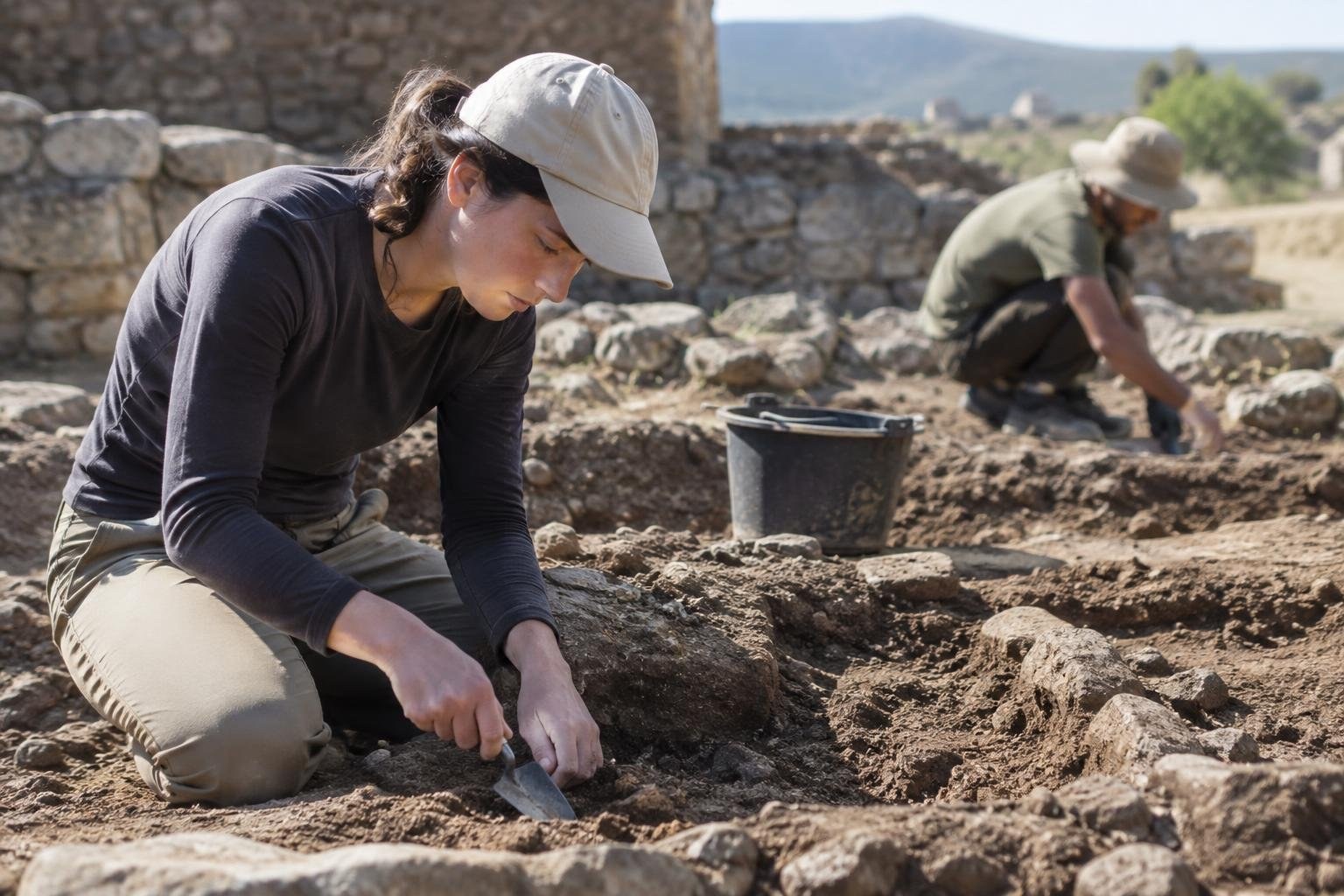
What Is a Cultural and Archaeological Resources Protection Degree?
This degree topic concerns the study and stewardship of archaeological resources and cultural heritage. Program names and course plans can differ, so check the college’s current catalog and requirements rather than assuming a title guarantees a particular curriculum.
The available Pennsylvania Department of Education document identifies a broader category, “Homeland Security, Law Enforcement, Firefighting and Related Protective Services, Other,” with CIP 43.9999. That listing does not verify a Cultural and Archaeological Resources Protection program, its code, or its availability at any college. Confirm a program’s current title, classification, and credential directly with the institution.
When comparing related names such as archaeology, historic preservation, heritage studies, or cultural-resource management, compare required courses and practical experiences. Do not treat this specialized subject as interchangeable with a broad homeland security, law enforcement, or criminal justice degree.
What Do Students Study?
Programs may combine introductory work in archaeology, history, anthropology, heritage, or public policy with methods for researching and documenting cultural resources. More advanced courses might address resource management, preservation planning, interpretation, research design, or applicable law and policy. These are examples of topics to look for, not a standard curriculum guaranteed at every college.
Practical learning can take different forms: supervised fieldwork, lab-based analysis, an internship, a research project, a portfolio, or a capstone. Ask whether these are required, optional, included in tuition, and available to students in your preferred format. A program with relevant experience can help students test whether they enjoy careful documentation and applied work before choosing a career direction.
Review course descriptions, prerequisites, and sample degree plans. If you want a specific pathway, ask an adviser how the courses connect to it and what additional education or experience employers commonly request.
Skills You Can Develop
Students can develop research and evidence-evaluation skills: finding information, recording observations, interpreting documentation, and explaining what the evidence does and does not support. They may practice writing reports, presenting findings, working with records or maps, and communicating respectfully about places that matter to different communities.
Depending on coursework, useful skills may also include project coordination, teamwork, attention to detail, ethical decision-making, data organization, and using discipline-specific tools. Employers and roles differ, so students should ask which software, methods, or technical skills are taught rather than assuming every program covers the same tools.
These capabilities can apply to field support, cultural-resource management, heritage interpretation, preservation projects, public education, and graduate research. Practical experience helps students show how they use skills, not simply list them.
Who Is This Degree Best For?
This degree may appeal to people who are curious about archaeology, history, cultural heritage, and how decisions affect places and resources. It can suit students who enjoy careful research, detailed records, interpreting evidence, and balancing public access with responsible stewardship.
There is no single personality type required. Some roles are field-oriented, while others emphasize writing, research, education, planning, or collections. Ask yourself whether you are comfortable with ambiguity, patient documentation, collaborative work, and the possibility of site visits or outdoor assignments. Quantitative and technical demands vary by course and specialization.
Does this degree match you?
Salary, reputation, and employment trends matter, but so do daily tasks and learning preferences. Compare actual job descriptions with the courses and work you find engaging. The Free MAPP Career Assessment can help you explore motivations and preferences; Degree Matching and Career Matching can help connect possible interests to education and work options. Use these tools to guide questions, not as a substitute for researching programs or employers.
Admissions, Length, and Academic Demands
Admissions rules are set by individual colleges. Depending on the credential, applicants may need prior coursework, transcripts, a minimum academic record, an application essay, or evidence of relevant experience. A portfolio, interview, or standardized test may apply at some institutions, but do not assume it is universal. Confirm current requirements with the admissions office.
Time to completion depends on credential level, full-time or part-time enrollment, transfer credit, course availability, and whether required field experiences run on a fixed schedule. A certificate may be shorter than a degree, while graduate study requires prior education. Request a written course sequence and ask how often required classes are offered.
Students may find the work demanding when assignments require sustained reading, research, careful writing, or coordination of field or project work. Prepare by strengthening writing and research habits, reviewing prerequisites, and asking about field conditions and time commitments before committing.
Online vs. On-Campus Study
Some programs offer online or hybrid coursework; others rely more heavily on campus classes, collections, labs, field trips, or in-person projects. Online study can provide flexibility, but it does not automatically eliminate practical requirements. Ask whether fieldwork or internships must be completed at a particular location, whether students arrange their own placements, and how remote students receive supervision.
Compare delivery format with your location, work schedule, transportation, and ability to attend required activities. Get confirmation in writing about attendance expectations and any additional travel, equipment, or placement costs.
Cost, Financial Aid, and Earnings Context
The full cost can include tuition, mandatory fees, books, technology, travel, and expenses connected with fieldwork or internships. Price varies with public or private status, residency rules, program length, course format, and the aid available to you. Do not compare a per-credit figure at one school with an estimated total at another without accounting for credits and fees.
Ask each college for a complete cost estimate covering the expected time to finish, and ask which costs are not included in tuition. Explore grants, scholarships, work-study where available, federal aid eligibility, employer assistance, and transfer-credit policies. Confirm aid conditions and deadlines with the institution and the relevant aid provider. A lower advertised price is not necessarily lower total cost if it adds travel, extra terms, or nontransferable credits.
Trade College reports a $72,390 median salary for graduates in the broader Homeland Security, Law Enforcement and Firefighting category, calculated as a weighted average of common careers associated with that major. It is not a salary estimate for Cultural and Archaeological Resources Protection or for a particular occupation. The supplied source information does not identify the year for this figure, so it should not be used as a current earnings forecast.
Careers and Jobs Connected to the Degree
Potential career directions include cultural-resource management support, archaeological field or research assistance, historic preservation, heritage interpretation, museum or educational work, and resource-related roles with public agencies or cultural organizations. These are broad pathways, not guaranteed job placements. Actual eligibility depends on the employer, location, education, experience, and duties.
Career directionPreparation to investigateHow the degree may helpCultural-resource management supportRelevant coursework and applied experience; review employer requirementsResearch, documentation, and resource-management foundationsArchaeological field or project supportField methods and experience; some professional roles may favor graduate studyMethods, evidence recording, and research preparationHistoric preservation supportPreservation-focused coursework and project experienceUnderstanding of heritage, documentation, and stewardshipHeritage or public educationCommunication experience; role-specific education requirementsResearch interpretation and public communicationMuseum or cultural institution workExperience with collections, programs, or research may be relevantSubject knowledge and careful documentationResearch, teaching, or specialist workOften requires additional education or substantial experience; verify role by roleFoundation for further study and specialization
For current pay and outlook, research the exact occupation rather than using a degree-wide average. Job requirements can also change across employers and regions.
Technology may change how organizations organize records, analyze information, and communicate findings. That makes sound judgment, verification, and clear documentation important. Do not assume that a technology trend guarantees growth or replaces the need for specialized knowledge.
Experience, Credentials, and Safety
Look for internships, supervised field experiences, research assistance, volunteer projects, relevant student organizations, and opportunities to build a portfolio of permitted work samples. Ask faculty and career services which options are available and whether placements are competitive, credit-bearing, paid, or self-arranged.
How to stand out to employers
- Describe specific research, field, writing, or documentation tasks you completed.
- Keep a portfolio only where sharing the material is permitted and appropriate.
- Build references through reliable participation and clear communication.
- Tailor applications to the employer’s stated skills and qualifications.
- Ask employers or professional organizations which optional credentials are valued for the roles you want.
A degree is not itself a professional license or a guarantee that a graduate meets every employer’s requirements. Verify any credential, background check, safety training, or education rule directly with the organization responsible for it.
Graduate School and Further Study
Possible next steps include a master’s degree or other graduate study in archaeology, anthropology, historic preservation, heritage management, public history, or a related field. A graduate credential may support specialization, research, or roles with advanced education requirements. A doctorate is generally a significant commitment and may be relevant to particular academic or research goals.
Choose further study for a clear reason: a target role’s stated requirement, a defined research interest, or a specialization you cannot access through experience alone. Check admissions prerequisites, total cost, funding, and employment expectations before applying. Graduate school is not automatically necessary for every job in cultural-resource work.
Related Degrees and Comparisons
- Archaeology: Consider this if you want a broader focus on studying past societies and archaeological evidence.
- Anthropology: Consider this if you want a wider study of human societies and cultures.
- Historic preservation: Consider this if your primary interest is conserving historic buildings, places, or heritage.
- Public history: Consider this if you want to interpret history for communities, institutions, or public audiences.
- Museum studies: Consider this if collections, exhibitions, and museum programming are your priority.
- Environmental studies: Consider this if you want a broader environmental focus, with cultural resources as one possible interest.
- Criminal justice: Consider this if you are more interested in justice systems, policing, courts, or corrections.
- Homeland security: Consider this if your main goal is to study security-related issues rather than archaeological and cultural heritage.
When comparing Cultural and Archaeological Resources Protection with archaeology or historic preservation, check the balance of methods, policy, fieldwork, and career preparation. The program title alone cannot tell you whether it leads to the education or experience sought by a particular employer.
Advantages, Drawbacks, and Is It Worth It?
Potential advantages: a focused subject area; opportunities to connect research with practical stewardship; transferable skills in writing, evidence evaluation, documentation, and communication; and several possible directions across cultural institutions, public organizations, and further study.
Potential drawbacks: program names and course offerings can be uncommon or inconsistent; specialized employment may depend on location and experience; fieldwork can add scheduling or travel demands; and some roles may expect graduate education. Earnings vary and a degree does not guarantee employment.
Whether the degree is worth it depends on your goals, the program’s total cost, relevant experience, geographic flexibility, and the education requirements of target jobs. Compare a college’s published outcomes and support with actual job postings. Avoid making a decision from a broad major-category salary figure alone.
How to Choose a Qualified College Program
Compare programs using a consistent checklist. Verify institutional accreditation through authoritative sources and confirm whether any specific professional recognition matters to your target occupation. Review the entire curriculum, not just electives or promotional descriptions. Ask who teaches required courses, what practical opportunities exist, and how students receive advising.
- What is the total estimated cost through completion, including field-related expenses?
- Which courses and practical experiences are required, and when are they offered?
- Are internships or field placements available, and who arranges them?
- What is the program’s published completion and graduate-outcome information?
- Will credits transfer to the schools or programs I may consider next?
- What career services, employer connections, or graduate-school advising are available?
- Can online students complete every requirement without relocating?
- What safety procedures apply to field activities, and what costs are students responsible for?
Assessment.com’s Degree Matching and Career Matching tools can help you explore possible connections between interests, education, and work. Use them alongside program research, direct conversations with colleges, and job-posting reviews.
From Degree to Career
Think in steps rather than assuming a direct or guaranteed promotion. One possible pathway is: relevant degree → entry-level field or documentation support → experience with projects and methods → specialization in preservation, cultural-resource management, or research → advanced role where qualifications and openings permit.
Another route may be: degree → education or outreach support → experience interpreting heritage for an audience → specialized programming or further study. These are illustrative pathways. Employers determine their own hiring requirements, and geography, experience, additional education, and available positions all affect progression.
Questions to Ask Before Enrolling: A Practical Checklist
- What is the program’s exact credential and current curriculum?
- What will tuition, fees, travel, materials, and field experiences cost in total?
- Which practical experiences are required, and how are they arranged?
- What are the published completion and graduate-outcome measures?
- Which qualifications do employers in my target area request?
- Will my credits transfer if I change schools or continue to graduate study?
- What financial aid, scholarships, or employer support may apply?
- What are the format, attendance, location, and safety requirements?
- What career advising, internship support, and employer connections are available?
- Can the college explain how its program prepares students for the jobs I am considering?
Warning signs include unclear total costs, vague promises of guaranteed employment, pressure to enroll before you can review requirements, and claims about professional recognition that cannot be verified. Request written answers and compare more than one program when possible.
Is a Cultural and Archaeological Resources Protection Degree Right for You?
A Cultural and Archaeological Resources Protection degree may suit students who want to understand and help protect cultural heritage and are prepared for careful research, documentation, and possibly applied or field-based work. Students whose primary interests lie in law enforcement, broad security operations, or environmental science may prefer a different program. Career potential depends on the specific curriculum, practical experience, employer requirements, location, and whether further education is needed.
Before choosing a degree, find out what fits you
Choosing a college program can affect years of education and decades of work. Salary, job growth, and school reputation matter, but so does whether the work fits your motivations, interests, and natural preferences.
Take the Free MAPP Career Assessment to explore careers that may match you, how related careers align with your profile, degrees and educational pathways tied to those careers, and potential jobs connected with those paths. Also explore Degree Matching, Career Matching, and Matching Jobs. Compare colleges and programs carefully, ask direct questions, and use the results as one input in your decision.
Take the Free MAPP Assessment →
Factors that affect the project
For an applied assignment, field experience, internship, or capstone, start by confirming what the program actually requires. The project’s scope can depend on the course plan, whether the experience is required or optional, how often relevant courses are offered, and whether work must happen at a particular site. These details can affect scheduling, travel, and what you need to budget.
Before committing, ask for the project or fieldwork requirements in writing. Find out who arranges placements, what supervision is provided, whether remote students can participate, and what costs are outside tuition. If you have a specific career goal, ask an adviser how the project could help you demonstrate relevant skills without assuming it will qualify you for a particular job.
Ways to reduce cost or save safely
Start with a written estimate of the full program cost, including fees, books, travel, equipment, and any field or placement expenses. Then compare programs using the same assumptions, such as credential, expected course load, and time to completion. Ask whether transfer credits apply before enrolling, and request confirmation of any credit decision and its effect on your degree plan.
Ask the college’s financial aid office about grants, scholarships, work-study where available, and aid conditions. Check deadlines and eligibility directly with the institution and relevant aid provider. Avoid relying on a low advertised tuition figure if it excludes required expenses, and do not pay for optional credentials or services until you have verified that employers for your target roles value them. A broad major-category salary figure is not a reliable basis for borrowing or budgeting for this specific degree.
Frequently asked questions
How can I tell whether this degree’s workload will suit me?
Workload depends on the college and course plan. Before enrolling, review required courses, sample assignments, and any field or project expectations. Ask an adviser how much reading, research, writing, and in-person participation to expect.
How do I decide whether this degree is worth the cost?
Compare the exact curriculum, total cost, and practical experience with the requirements in job postings for roles you want. Ask employers or program advisers whether a particular degree level or experience is expected. Do not treat the degree as a guarantee of a job or salary.
What kinds of jobs should I research before choosing this degree?
Possible directions include cultural-resource management support, archaeological field or research assistance, preservation, heritage education, and museum or cultural-institution work. Check current postings in your intended region for the specific education and experience each employer requests.
How can I budget for this degree without relying on a misleading salary figure?
Ask for a full cost estimate through completion, including field-related expenses. Compare aid offers and deadlines with the financial aid office, and confirm transfer-credit decisions before enrolling. Do not base a budget on a broad salary category that does not describe this specific degree or occupation.
What should I check before enrolling in an online program?
Online availability and practical requirements vary by college. Ask whether fieldwork, internships, or site visits are required, where they take place, who arranges them, and whether remote students receive supervision and advising.
How can I find out whether the program requires math or technical skills?
Requirements vary by program. Review the course list and ask an adviser about math, mapping, statistics, or other quantitative prerequisites relevant to your intended pathway before applying.
How do I know whether a certification is worth pursuing?
There is no single credential identified here as necessary for every role. Review job postings and ask the employers or professional organizations connected to your target work which credentials, if any, they value before paying for training.
What should I ask about internships and fieldwork?
Ask how placements are assigned, whether they are paid or credit-bearing, what supervision is available, and whether students arrange their own travel. Confirm requirements and costs before counting an internship or field experience toward your plan.
People Also Ask
What does a Cultural and Archaeological Resources Protection degree cover?
It generally concerns studying, documenting, interpreting, and helping protect cultural heritage and archaeological resources. Programs can use different titles and course plans, so compare required courses and practical work rather than relying on the name alone.
What careers can I research with this degree?
Possible directions include field or cultural-resource management support, preservation, heritage education, and museum or cultural-institution work. Review local job postings to see the education and experience requested for specific roles.
What affects how long this degree takes?
Completion time depends on the credential, course sequence, enrollment pace, transfer credit, and required practical experiences. Ask each college for a written plan showing required courses and when they are offered.
What costs should I include when comparing programs?
Compare tuition and fees along with travel, books, technology, and field-related expenses. Request an itemized estimate for the full program and check aid and transfer-credit details directly with the college.
Can I complete this degree online?
Some programs may offer online or hybrid study, but practical requirements can still involve in-person activities. Ask where fieldwork or placements occur and whether remote students can complete every requirement.
Do I need graduate school for cultural-resource work?
Look at postings for the exact roles you want. Some positions may ask for relevant experience or further education, so verify requirements with employers instead of assuming one degree level applies to all jobs.
How should I compare cultural-resource protection programs?
Compare the curriculum, practical opportunities, total cost, transfer rules, and advising. Ask for written details about fieldwork and costs, and review job postings to see whether the program’s preparation matches your goals.
A Cultural and Archaeological Resources Protection degree can be a focused route into work that connects history, archaeology, public lands, and resource stewardship. Its value depends on the program’s curriculum, field experience, cost, and the jobs you want to pursue. Compare the actual courses and graduate outcomes, check what qualifications target employers expect, and consider whether the work itself fits your interests before enrolling. Before choosing a degree, find out what fits you: the Free MAPP Career Assessment can help you explore careers and education paths aligned with your motivations and preferences. Take the Free MAPP Assessment →