Degree Library
MRI Technology Degree Guide: Courses, Careers, Requirements, and How to Choose a Program
Magnetic resonance imaging (MRI) technology education prepares students to work with sophisticated computerized imaging equipment. MRI technologists create…
By David Slack · Staff Writer Assessment.com · Published October 5, 2026 · Last updated October 6, 2026
Magnetic resonance imaging (MRI) technology education prepares students to work with sophisticated computerized imaging equipment. MRI technologists create detailed cross-sectional images of the body that assist physicians with diagnosis and treatment, making accuracy and technical skill central to the work. Program names and credentials vary, so the title alone does not tell you whether a course of study meets your career goals or local requirements. Students considering this field should compare what they will learn, how they will gain practical experience, and what credentials employers expect. Some programs are designed as graduate certificates, while the broader field includes multiple credential levels. Not sure whether MRI technology fits you? Take the Free MAPP Career Assessment to see how your motivations, interests, and natural preferences align with this field and related careers.
An MRI technology program teaches students to work with computerized magnetic resonance imaging equipment and create detailed cross-sectional images that assist physicians with diagnosis and treatment. Programs differ in credential level, curriculum, practical training, admissions requirements, cost, and recognition. Before applying, confirm that a program fits your intended career and the requirements where you plan to work.
What Is an MRI Technology Program?
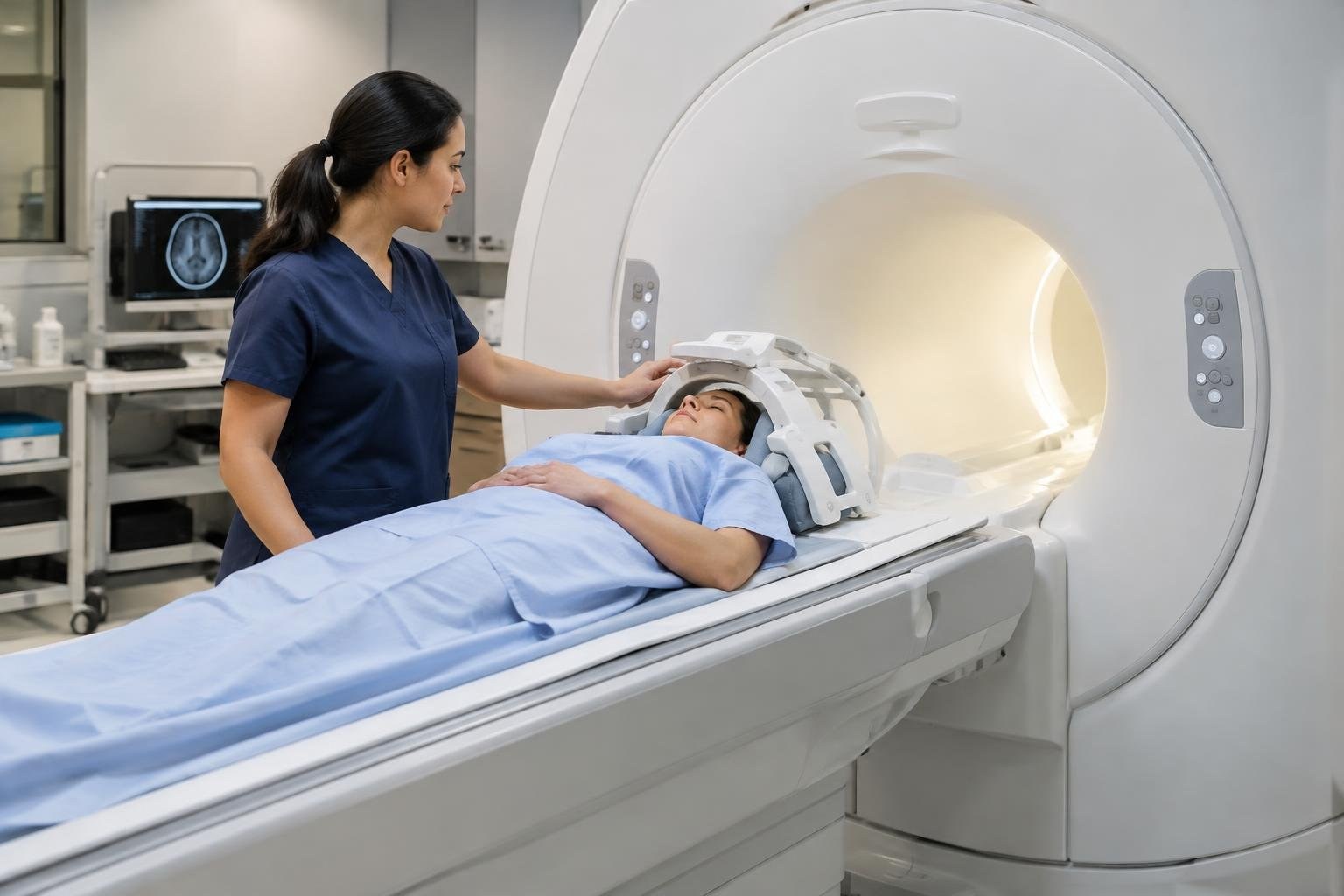
MRI technology is a specialized area of allied health focused on producing medical images with magnetic resonance imaging equipment. MRI technologists operate sophisticated computerized equipment to create detailed cross-sectional images of the human body. Physicians use these images to help diagnose conditions and guide treatment decisions. The role combines technical equipment use with careful, patient-centered work.
Programs may be called MRI technology, magnetic resonance imaging, or MRI technician education. The credential might be a certificate, associate degree, bachelor’s degree, or post-bachelor’s or graduate certificate. These labels do not guarantee that programs have the same prerequisites, curriculum, or career eligibility. For example, Loma Linda University lists an MRI certificate through its School of Allied Health Professions. Mohawk College describes its program as a graduate certificate and reports accreditation through Accreditation Canada’s EQual™ program. The Mohawk example is Canadian; do not treat it as evidence of U.S. accreditation or as a universal program standard.
Compare the credential and curriculum, not just the program name. MRI education is also distinct from broader healthcare programs and from training in other imaging technologies. Ask what equipment and competencies the program covers and what roles graduates may pursue.
What Do MRI Students Study?
Curricula vary, so request a course sequence and speak with an adviser before applying. Depending on the program, learning may include relevant science and healthcare foundations, MRI concepts, operation of computerized imaging equipment, and how images support physician diagnosis and treatment. Ask schools to explain how classroom instruction connects to practical equipment use.
Look for a clear account of practical learning. Ask whether students work with imaging equipment, complete supervised clinical or other placements, use simulation, or undertake projects. The available research describes MRI work as involving sophisticated computerized equipment and detailed cross-sectional images; it does not establish one required U.S. curriculum or a standard clinical format.
Also check how the program assesses skills. Ask whether completion involves practical evaluations, a final project, examinations, or other requirements. Request the published course descriptions and confirm whether any learning experiences require travel or attendance at a specific site.
Skills You Can Develop
Students develop technical familiarity with imaging equipment and learn to produce images that can be useful to physicians. They also need to interpret instructions carefully, follow procedures consistently, and communicate clearly with patients and healthcare colleagues. These capabilities connect the technical task of producing images with its purpose in diagnosis and treatment.
Before enrolling, ask programs how they teach equipment skills, image quality, patient interaction, and professional communication. If you are comparing schools, request examples of practical assignments or ask how students demonstrate readiness for workplace responsibilities. Avoid assuming a particular software package, scanner model, or clinical competency is included unless the school confirms it.
Who Is This Program Best For?
MRI technology may appeal to students interested in healthcare, medical imaging, and using complex equipment to support patient care. The work connects technology with clinical purpose: images are produced to assist physicians with diagnosis and treatment. Students should be ready to learn specialized procedures and work accurately within a healthcare environment.
There is no single personality type required. Consider whether you enjoy practical, technical tasks, want your work to contribute to healthcare, and feel comfortable learning detailed processes. If you prefer a different balance of patient interaction, technology, or scientific study, compare several allied health programs before deciding.
Does MRI Technology Match You?
Salary, job titles, and a program’s reputation are only part of a good education decision. The daily work and learning process should also fit your motivations and interests. The Free MAPP Career Assessment can help you explore possible career and degree matches. Use Degree Matching, Career Matching, and Matching Jobs as starting points for research, then verify program and job requirements independently.
Admissions, Program Length, and Academic Challenge
Admission requirements, program length, and academic expectations should be confirmed with each school. The program examples in this guide use different credential labels: Loma Linda University lists an MRI certificate, while Mohawk College describes its MRI program as a graduate certificate. These examples do not establish shared prerequisites or timelines.
Before applying, ask the school for its current admission requirements, course sequence, expected completion time, and any required practical learning. If you have prior coursework, ask whether it can be considered and request the school’s decision in writing. Review the published curriculum and ask what academic support is available if you need it.
Online, Hybrid, or Campus-Based Study
Ask each school to describe the delivery format for the specific MRI program you are considering. Find out which activities require attendance on campus or at another site, whether practical learning is included, and how any required travel is arranged. Do not assume that a program can be completed remotely based on its title or a general description.
For context, Loma Linda University lists an MRI certificate and Mohawk College describes an MRI graduate certificate. These examples identify credentials, not a common delivery format. Confirm directly with the school how instruction and any practical requirements are delivered, and whether that arrangement fits your schedule and career plans.
MRI Program Costs and Financial Aid
Request a written estimate for the full MRI program you are considering. Compare the same categories at each school, including tuition, required fees, books, technology or equipment charges, and any travel or practical-learning expenses that apply. Ask which costs are included, whether the estimate covers the full credential, and what financial aid may be available to you.
The program examples in this guide have different credential labels: Loma Linda University lists an MRI certificate, while Mohawk College describes a graduate certificate. Use the exact credential and course sequence when comparing expenses, and ask each school to explain any differences in what its estimate covers. Do not rely on an advertised starting price as a complete cost estimate.
MRI Careers, Salary, and Job Outlook
MRI education is intended to prepare students for magnetic resonance imaging work. MRI technologists operate computerized equipment to produce detailed cross-sectional images that assist physicians. However, a particular credential does not by itself guarantee a job, salary, or eligibility to work. Job titles, employer expectations, certification, and licensing rules can vary by location.
Use the table as a starting point for investigating relevant work, not as a guarantee of eligibility. Ask schools for the job titles associated with their credential and compare those titles with current employer postings and official occupational information. No current salary or job-outlook figures are included here because a reliable, date-specific U.S. figure was not available in the research provided.
Career directionEducation to investigateHow MRI training may applyWhat to verifyMRI technologistProgram credential and any employer or jurisdiction requirementsDirectly related to operating MRI equipment and producing imagesCredential recognition, experience, and any certification or license rulesMedical imaging role in another specialtyEducation specific to that imaging specialtyMRI training may offer relevant healthcare and imaging contextWhether separate specialty education is requiredImaging-related education or advanced roleFurther study or experience may be requiredMay build on imaging knowledge, depending on the roleRequired degree level, experience, and professional qualifications
For current U.S. salary and outlook data, check the Bureau of Labor Statistics and O*NET for the precise occupation and year. MRI-related work can be affected by changing equipment and clinical practices. Treat technology change as a reason to ask about ongoing training, not as proof that a job will disappear or grow.
Practical Experience, Credentials, and Licensure
Before enrolling, ask whether the program includes supervised practice, clinical experience, projects, or other ways to demonstrate skills. Seek opportunities to learn about healthcare workplaces, build professional communication, and develop familiarity with the equipment and responsibilities relevant to your goal. Keep records of coursework and completed practical experiences that you may need to describe to employers.
How to Stand Out to Employers
- Confirm which credentials and experiences local employers request, then plan your education around those requirements.
- Ask instructors and advisers how to build relevant practical experience.
- Explain clearly how your training prepared you to operate equipment and produce images used in patient care.
- Keep learning as equipment, employer procedures, and professional expectations change.
A program completion certificate and permission to practice are not necessarily the same. Ask the school and the relevant professional or regulatory body which certification, examination, license, or other requirement applies to your intended role and location.
Further Education and Graduate Options
Additional study may be useful if it is required for a particular job, supports a specialty, or helps you move toward a different healthcare role. Possible next steps depend on the career you want and the education you already have. Ask employers and schools which qualifications are actually needed before committing to a graduate program or another credential.
Mohawk College’s MRI program is described as a graduate certificate, while Loma Linda University lists an MRI certificate. These examples demonstrate that program labels and levels differ; they do not establish that one pathway is appropriate for all students. Confirm entry requirements, recognition, and progression options directly with each institution.
Related Programs and Alternatives
MRI technologists operate computerized magnetic resonance imaging equipment to produce detailed cross-sectional images that assist physicians with diagnosis and treatment. If you are considering another healthcare or imaging program, compare its curriculum, credential, practical requirements, and the roles it is intended to prepare students for.
- Ask what equipment and subject areas the program covers.
- Confirm the credential awarded and the program’s admission requirements.
- Ask what practical learning is included and where it takes place.
- Check with schools and prospective employers about the qualifications relevant to the role you want.
Compare programs using their published requirements rather than relying on similar-sounding titles. Verify career eligibility with the school, employer, and any relevant professional or regulatory body.
Advantages, Drawbacks, and Is It Worth It?
Potential advantages: MRI education is focused on a specialized healthcare technology, and the work has a clear connection to images used to assist diagnosis and treatment. Students who enjoy technical learning and medical imaging may value that focus.
Potential drawbacks: Program names and prerequisites vary, practical learning may require in-person attendance, and additional credentials or location-specific requirements may apply. Education also takes time and money, so a credential should be evaluated against its recognition and the jobs it can support.
Whether an MRI program is worth the investment depends on your goals, total cost, financial aid, career requirements, geography, and personal fit. Compare real program outcomes and current employer expectations. Do not assume a particular salary, job offer, or career progression is guaranteed.
How to Choose an MRI Program
Use this checklist when comparing colleges and training programs:
- Accreditation: What body accredits the institution and program? Does that status matter for your intended work or further study? Confirm directly with the accreditor. A Canadian accreditation claim does not establish U.S. recognition.
- Curriculum: Which MRI topics, equipment skills, and practical experiences are included?
- Admissions: What prerequisites, prior education, and application materials are required?
- Cost: What is the total cost, including fees, books, technology, and travel?
- Format: Which activities are online and which require in-person attendance?
- Career preparation: What jobs do graduates pursue, and how are outcomes measured?
- Professional requirements: Does the program prepare students for relevant certifications or licensing requirements? Verify with the appropriate body.
- Student support: What advising, academic help, and career services are available?
- Transferability: Which credits will another institution accept? Get confirmation before enrolling.
- Employer connections: Are practical experiences or recruitment opportunities available, and what are their terms?
Compare at least a few programs using the same questions. Assessment.com’s Degree Matching and Career Matching tools can help you explore possibilities, but use official school and professional sources to confirm requirements.
Timing, Savings, Safety, and Mistakes to Avoid
What to Expect: Timing and Results
Ask for a term-by-term schedule and the expected completion time for your study pace. Find out when practical learning occurs, what happens if a placement is delayed, and whether course sequencing limits when you can start. Outcomes depend on completing program requirements and meeting any separate employer or professional rules.
Ways to Save Safely
Compare grants, scholarships, employer support, and transfer credit where available. Ask whether financial aid applies to the specific program and what conditions accompany any award. Reduce avoidable costs by confirming required materials before buying them and checking whether travel or equipment expenses are included in the school’s estimate. Do not sacrifice appropriate training or recognition simply to select the cheapest option.
Red Flags and Common Mistakes
- Choosing a program based on its name without checking its exact credential and prerequisites.
- Assuming online delivery means there are no in-person requirements.
- Relying on a salary promise or job guarantee without documented, comparable outcome data.
- Assuming accreditation in one country automatically applies in another.
- Paying a deposit before understanding total costs, refund terms, and transfer rules.
- Confusing program completion with certification, licensure, or permission to practice.
From Program to Career: A Practical Decision Checklist
Before choosing a program, confirm that its credential and requirements align with the work you want to pursue. Loma Linda University lists an MRI certificate, while Mohawk College describes an MRI graduate certificate and reports accreditation through Accreditation Canada’s EQual™ program. These examples are not universal standards, so verify how each credential is recognized for your intended career and location.
Before You Enroll: Questions to Ask
- What exact credential will I earn, and who recognizes it?
- What are the current admission requirements and expected completion time?
- What is the full cost through completion, including applicable fees and other expenses?
- What practical learning is included, where does it happen, and how is it scheduled?
- What requirements do employers or relevant professional bodies set for the role and location I am considering?
- What evidence does the school provide about graduate outcomes?
- Which prior credits may be accepted, and what financial aid may be available?
- What academic and career advising can I access?
Take the Free MAPP Career Assessment to explore careers and degrees that may align with your motivations and interests. Then compare programs and verify each detail directly with the school and relevant professional bodies.
Take the Free MAPP Assessment →
Frequently asked questions
Is an MRI technology program hard?
MRI programs can be academically and practically demanding. Students need to understand technical material, learn to use complex imaging equipment, and apply careful procedures in a healthcare setting. The level of challenge depends on the program, its prerequisites, and a student’s preparation. Ask schools about coursework, practical learning, and academic support before applying.
Is an MRI technology degree worth it?
It may be worthwhile for students who are interested in medical imaging and are prepared to meet the education and professional requirements of their intended role. Compare tuition and other expenses with program outcomes, credential recognition, and the work available in your region. Do not assume that completing any one program guarantees a particular job or salary.
What jobs can I get with MRI technology education?
MRI education can prepare students for work in magnetic resonance imaging, where technologists operate computerized equipment to produce detailed cross-sectional images that assist physicians with diagnosis and treatment. The exact job title and eligibility requirements vary by employer and jurisdiction, so confirm them before choosing a program.
How much can MRI technologists make?
Pay depends on location, employer, experience, education, and job title. Because no current, location-specific salary figures are available here, compare recent U.S. Bureau of Labor Statistics and O*NET information for the relevant occupation, and ask schools how they report graduate outcomes. Treat salary estimates as one factor rather than a promise.
Can I earn an MRI technology credential online?
Some MRI coursework may be available online, but online delivery does not necessarily mean the entire program can be completed remotely. Ask whether equipment training, clinical or other practical learning, and any required assessments take place in person. Confirm that the program meets requirements for the location where you intend to work.
Does MRI technology require a lot of math?
The amount and type of math depend on the program. MRI students should expect technical and science-related learning, but review the actual curriculum and admission prerequisites rather than assuming a specific math requirement. Ask an academic adviser what preparation is recommended if you have been away from school or want to strengthen your science skills.
Do I need a degree before enrolling in an MRI program?
Not every program has the same entry requirements or credential level. Some MRI certificates are designed for students who already have relevant education or experience, while other pathways may have different prerequisites. Confirm admissions requirements directly with each school and check whether the credential is accepted for your career plans.
What certifications or licenses do MRI technologists need?
Credential and licensing rules can differ by employer and location. Ask the program which certifications or licenses its graduates commonly pursue, whether it prepares students for any relevant examinations, and which agency sets the rules where you plan to work. Completing a program and meeting professional eligibility requirements are not automatically the same thing.
How does MRI technology compare with other medical imaging programs?
MRI training focuses on magnetic resonance imaging. Related imaging programs may prepare students to work with different technologies or in different professional roles. Compare the equipment and procedures covered, practical training, credential level, career eligibility, and local job requirements before deciding between them.
What is an MRI graduate certificate?
A graduate certificate is one possible credential level, but the right starting point depends on a school’s admissions requirements and your previous education. Mohawk College describes its MRI program as a graduate certificate and reports EQual™ accreditation through Accreditation Canada. That is a Canada-specific program example, not proof of U.S. accreditation or a rule for other schools.
People Also Ask
What do you learn in an MRI technology program?
MRI programs teach students about magnetic resonance imaging, computerized equipment, and the production of detailed cross-sectional images used to assist physicians. Coursework and practical requirements vary by school and credential.
How long does it take to become an MRI technologist?
Program length depends on credential, prior education, study pace, and school requirements. Ask each program for its published sequence, practical training schedule, and expected completion time before enrolling.
How much does an MRI technology program cost?
Compare total tuition and fees, books, equipment or technology charges, travel, and any practical training expenses. Costs differ by institution and student circumstances, so request a written cost estimate for the full program.
Are MRI technology programs available online?
Some programs offer online coursework, but verify whether hands-on equipment learning or other practical components must be completed in person. Also confirm that online study meets requirements for your intended place of employment.
What qualifications do MRI technologists need?
Requirements vary. Ask schools and relevant licensing or certification bodies which education, experience, examinations, or other credentials apply to the jobs and location you are considering.
What does an MRI technologist do?
MRI technologists operate sophisticated computerized equipment and produce images that assist physicians with diagnosis and treatment. Their precise duties depend on their employer and professional scope.
How can I check whether an MRI program is accredited?
A program’s accreditation claim should be checked with the accrediting organization and interpreted in context. Accreditation in one country does not automatically establish recognition or eligibility in another.
Should I choose MRI technology or another imaging program?
Compare MRI with other imaging programs by the technology taught, credential awarded, practical learning, career eligibility, and local employer requirements. Similar-sounding healthcare programs may lead to different roles.
An MRI technology program may suit students who want to work with advanced imaging equipment and contribute to medical diagnosis and treatment. Before enrolling, check the exact credential, admission requirements, clinical or practical learning opportunities, total cost, and the program’s standing with relevant accrediting and licensing bodies. Career outcomes and professional requirements depend on the program and the rules where you plan to work. Compare options carefully, then consider whether the work itself fits your interests and preferred way of learning.
Sources
- Magnetic Resonance Imaging | Mohawk College
- Magnetic Resonance Imaging/MRI, Cert | Loma Linda University
- 2027 Best MRI Technician Programs | Research.com
- How to Become an MRI Technologist - Med College
- Associate of Science in MRI Technology - Miami MRI Technology Program | Launch Your Career Today
- MRI Technology - BatesTech - BatesTech
- MRI Tech Schools - Programs & Certifications
- Becoming an MRI Tech: 2026 Ultimate Success Guide
- Magnetic Resonance Imaging Career and Education Guide
- How to Become an MRI Tech: 8 Steps (2026) | Tesla MR Institute