Degree Library
Architectural History, Criticism, and Conservation Degree Guide
Architectural History, Criticism, and Conservation, Other is a broad college program category for students who want to understand buildings and landscapes through their history, interpretation, and preservation. Programs may examine how architecture reflects the people, ideas, and communities that shaped it, while conservation or preservation study can connect historical knowledge to the care of existing places. The category includes programs at several credential levels, from certificates and associate degrees to bachelor's, master's, and doctoral degrees. Program names and emphases vary, so the title alone cannot tell you exactly what you will study or which jobs you will be prepared to pursue. Potential directions include research, teaching, curatorial work, and preservation-related practice; additional experience or graduate study may be important for some roles. Not sure whether this field fits you? Take the Free MAPP Career Assessment to explore how your motivations, interests, and natural preferences may align with this subject and related careers.
Millions of people Take the MAPP Career assessment to see which Degrees are the best Match!
You can too,
Program Overview
What Is an Architectural History, Criticism, and Conservation Degree?
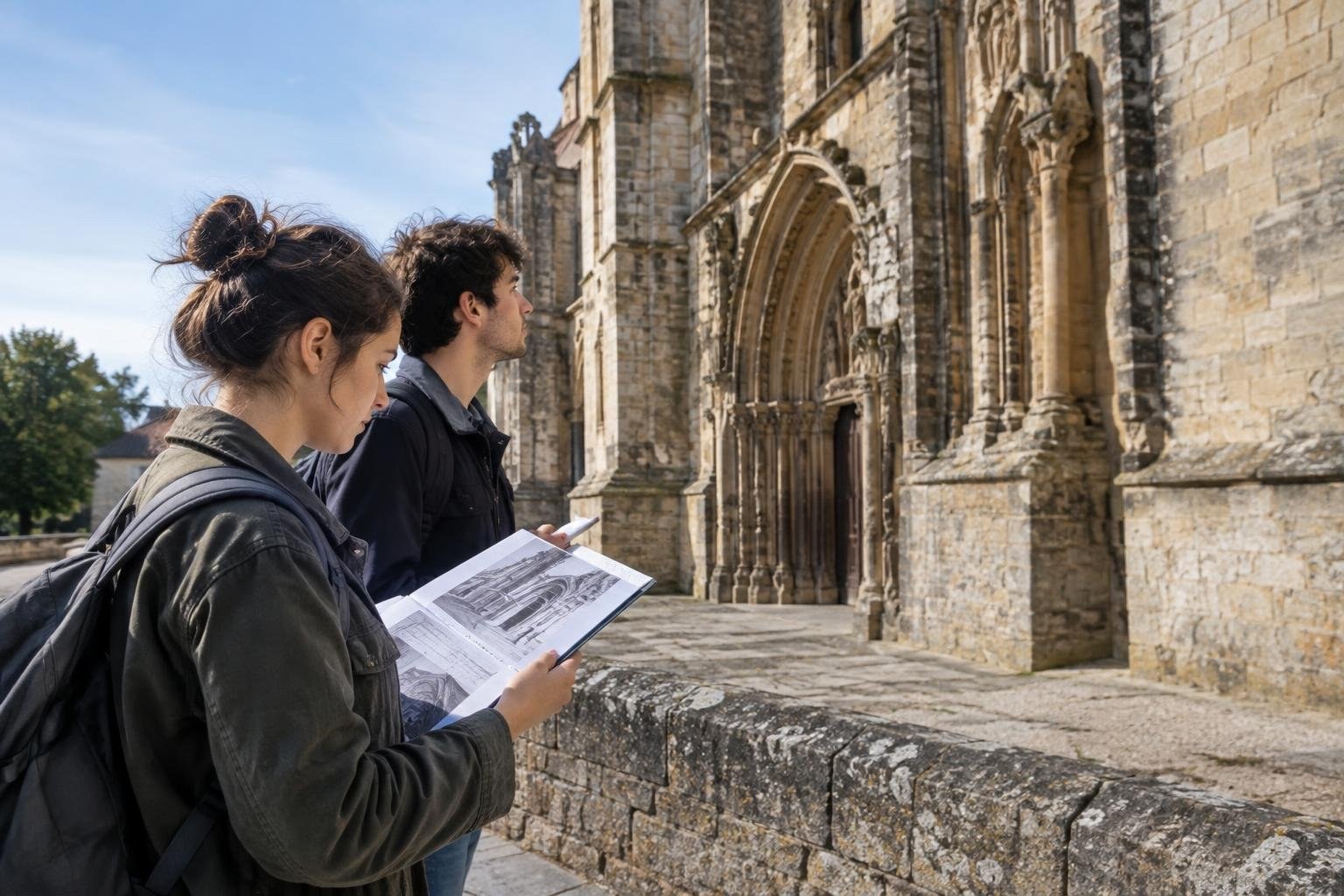
This broad program area studies architecture and historic places as more than physical structures. Students may explore how buildings and landscapes were designed, used, understood, and preserved across time. The word “Other” signals a category that can include programs that do not fit neatly into a narrower named specialization; it does not mean every program has the same curriculum.
Schools may use titles such as architectural history, architectural criticism, historic preservation, or architectural conservation. The emphasis can range from historical research and interpretation to professional learning related to preserving historic buildings and landscapes. A University of Kansas graduate certificate, for example, describes documentation, preservation, and interpretation of history represented through historic buildings and landscapes as part of its purpose.
Architecture, architectural studies, landscape architecture, and planning overlap with this area but are not interchangeable. Read a program's course list, learning outcomes, and project requirements to see whether it centers on design, historical analysis, preservation practice, or a combination.
Curriculum and Learning
What You May Study
There is no universal curriculum for this category. Programs may approach architecture through historical research, critical interpretation, or preservation. Look for courses and projects that help you learn to investigate a building or landscape, interpret evidence about its history, and communicate why its context matters.
Potential course themes include architectural history, criticism, historic places, documentation, and preservation. These are subject areas to look for, not a guaranteed course list. The University of Kansas certificate description highlights documentation, preservation, and interpretation, while other schools may build different combinations of subjects into certificates or degrees.
Ask whether students complete research papers, site studies, public-facing interpretation, internships, or a final project. A project can help you test whether you enjoy working with historical evidence and explaining it clearly. If a program describes hands-on or field-based learning, ask what students actually do, whether it is required, and how it is assessed.
Do not infer the amount of studio design, building technology, or fieldwork from a program name. Compare required courses and sample projects across schools before deciding which curriculum best matches your interests.
Credentials and Study Formats
Credential Levels, Format, and Completion Time
Programs in architecture and related services are available at more than one credential level. The category may include certificates, associate degrees, bachelor's degrees, graduate certificates, master's degrees, and doctorates, but a particular school will offer only some of these options. Check whether a certificate is intended as standalone study, professional development, or part of a larger academic path.
Completion time depends on the credential, course load, transfer credits, and individual program rules. Do not assume a standard duration based on the subject name. Request a program plan showing required credits, course sequence, part-time options, and any prerequisites. Ask transfer advisers to confirm in writing which credits will count toward the specific credential.
Online, hybrid, and campus formats also vary by institution. Ask about required site visits, in-person seminars, practical projects, or other activities before enrolling, especially if you need to balance study with work or family responsibilities.
Student Fit and Admissions
Who May Suit This Program and What Admissions Require
This subject may appeal to students who are curious about how architecture and historic places acquire meaning, how people interpret them, and how communities document or preserve them. It can suit learners who enjoy reading, research, close observation, and explaining ideas. You do not need to arrive with a fixed career plan, but it helps to identify the kinds of questions and work that hold your attention.
Admissions requirements are set by individual institutions and differ by credential. Before applying, check the department's current requirements for prior education, prerequisite courses, writing samples, recommendations, statements, or relevant experience. Do not treat another university's admissions rules as a general standard for U.S. programs.
As one example of why requirements need checking, Oxford's postgraduate certificate page specifies its own entry expectations, including a stated GPA benchmark for applicants with U.S. bachelor's degrees and alternative qualifications or experience. Those are Oxford's rules, not a universal U.S. admissions requirement. Contact each program with questions about your academic background and ask how it evaluates applicants who are changing fields.
Costs and Financial Aid
Tuition, Total Cost, and Financial Aid
Costs cannot be reduced to one reliable figure for this broad category. The credential, institution, course load, residency rules, format, and required activities can all affect what a student pays. Ask schools for the full cost of completing the program, not just a per-credit or advertised tuition rate. Include mandatory fees, books and materials, travel for any in-person or site-based work, and the cost of extending study if courses are not offered every term.
Compare each school's published cost information and ask its financial aid office what grants, scholarships, payment plans, or other assistance may be available for your enrollment status and program. Confirm whether aid applies to certificates as well as degree programs, because eligibility can differ. If you are considering a certificate before a degree, find out whether its credits transfer and whether that transfer is guaranteed or subject to review.
For a practical affordability comparison, calculate the expected out-of-pocket cost for the full credential at each school. Include potential lost work hours and commuting or travel expenses where relevant. Avoid choosing on tuition alone if a program's format or course schedule would create additional costs.
Skills and Project Work
Skills You Can Build
The skills depend on the curriculum, but a program focused on architectural history and preservation can help students practice careful observation, historical interpretation, research, and clear communication. Documentation and interpretation are explicitly identified as important elements in the University of Kansas historic preservation certificate description.
Those abilities can be relevant to work that involves explaining the history or significance of buildings and landscapes, organizing research, or communicating with audiences. If you want to develop skills in digital documentation, archival research, building analysis, or public interpretation, check whether those activities appear in course descriptions and student projects rather than assuming they are included.
Build evidence of your skills while studying. Save research papers, project reports, presentations, and other work you are permitted to share. Ask instructors how to turn class projects into a portfolio or writing sample suitable for applications. A program's value is easier to judge when you can identify the specific abilities and work products it helps you develop.
Career Considerations
Architectural history and preservation study can provide a foundation for further professional learning, but the supplied program information does not establish specific job titles, qualification rules, or employment outcomes for graduates. The University of Kansas describes its historic preservation graduate certificate as professional preparation focused on documenting, preserving, and interpreting the history represented by historic buildings and landscapes. The University of Miami lists historic preservation among its professional specializations.
Use these examples to identify subject areas that may connect with your goals, not as a promise of a particular job. For a role you are considering, review current employer requirements and confirm whether the program provides the preparation those employers request.
Practical Learning and Credentials
Internships, Experience, and Credentials
Ask programs how students gain practical experience beyond coursework. Depending on the curriculum, useful opportunities might include a research project, an internship, a preservation-related assignment, or work with a museum or community organization. These are options to investigate, not requirements available at every school.
To stand out, develop clear examples of your work: a well-supported research paper, a carefully documented case study, or a presentation that explains a historic place to a defined audience. Seek feedback from faculty and ask whether projects can be adapted into a writing sample or portfolio. When contacting employers, describe the work you actually completed rather than relying on a broad degree title.
Distinguish academic completion from professional qualification. The sources describe graduate certificates and specializations in historic preservation and conservation, but they do not establish a single nationwide license or credential required for every related occupation. Ask employers and relevant professional organizations what qualifications apply to the specific work you want to do before investing in an additional credential.
Graduate Options
Graduate School and Further Study
Further study may make sense if you want deeper specialization, advanced research, or a role whose employers request graduate-level preparation. Potential areas described in university program information include historic preservation, classical and traditional design, sustainable and resilient design, urban design, and real estate development. Related architectural history and conservation offerings also include master's programs and specialized graduate certificates.
Choose further education for a specific reason. Before applying, compare graduate program content with the qualifications requested in job postings or expected for the professional work you want to pursue. Ask whether your prior coursework meets prerequisites, whether the program offers practical experience, and what its graduates do. A master's degree can be a useful pathway for some careers, but it is not automatically necessary for every job related to this field.
Related Fields to Compare
Related Degrees and Alternatives
Compare adjacent subjects by the work and questions they emphasize. Program titles are not standardized enough to substitute for reviewing actual requirements.
- Architectural Studies: Consider this if you want a broader architectural education and need to compare its design or technical content with a history-focused course of study.
- Architecture: Consider this if your goal is architectural design and you want to investigate the education and professional pathway relevant to that work.
- Architectural Conservation: Consider this if you want a more focused emphasis on the care and conservation of historic buildings.
- Landscape Architecture: Consider this if your main interest is the design and study of landscapes rather than the historical interpretation of buildings.
- City, Urban, Community, and Regional Planning: Consider this if you are more interested in how communities and places are planned than in architectural history itself.
- Environmental Design or Sustainable Design: Consider this if environmental questions and design are central to your goals; check the specific program's methods and outcomes.
- Art History or History: Consider this if you want a wider historical discipline and can pursue architectural subjects through electives or research.
- Historic Preservation certificate: Consider this if you want targeted professional learning and the certificate's content aligns with your experience and career plans.
These are comparison prompts, not claims that one degree automatically qualifies you for a particular occupation. Review course requirements and employer expectations before selecting a pathway.
Program Selection Checklist
How to Choose a Program
Start with the work you hope to do, then compare whether each program teaches the knowledge and methods that work appears to require. Look beyond the title and promotional description.
- Curriculum: Compare required courses, subject balance, electives, and final projects.
- Practical learning: Ask about research, site-based work, internships, preservation projects, and how access is arranged.
- Faculty and resources: Check whether faculty interests and available facilities match your areas of curiosity.
- Credential and transfer: Confirm the credential awarded and get a clear explanation of how previous or certificate credits may apply.
- Format and schedule: Ask which activities are online, in person, or tied to a particular location.
- Total cost: Request the full expected cost and check financial aid eligibility for your program and enrollment status.
- Career preparation: Ask for information about internships, employer connections, career support, and graduate destinations.
- Accreditation and professional recognition: Verify the institution's accreditation and ask whether a relevant professional body recognizes the specific program, if that matters for your goal.
There is no single accreditation or licensing rule established for every program in this broad category. Verify institutional status and any occupation-specific requirements directly with the appropriate organization or employer. Treat claims about job placement or professional eligibility as questions to document, not assumptions.
Evaluating the Investment
Is This Degree Worth It?
The value depends on your goals, cost, and intended career. A program may be worthwhile if its curriculum helps you build the research, interpretation, or preservation knowledge you want and its cost is manageable. It may be a weaker investment if you cannot connect the credential to specific roles or if the program does not provide the practical preparation those roles expect.
Potential advantages: You can focus on the history and interpretation of buildings and landscapes; programs exist at different credential levels; and the subject can connect to research, teaching, curatorial work, and preservation-related directions.
Potential drawbacks: The broad category can make programs difficult to compare; job titles and qualification expectations vary; and some paths may call for graduate study, experience, or specialized preparation. Do not assume that earning a degree alone guarantees a particular salary or job.
Estimate the total cost, compare realistic job requirements, and speak with program advisers and people working in the field. Personal interest matters, but so do affordability and a clear plan for turning study into relevant experience.
Planning a Path from Study to Work
Possible Routes from Study to Work
Career progression is not automatic. These examples show ways study might connect to a longer-term direction; actual steps depend on the person's qualifications, employer, and experience.
- Architectural history: Relevant undergraduate study → research or assistant work connected to historical subjects → build a record of research and writing → consider graduate study for specialized or senior roles.
- Historic preservation: History or architecture-related study → preservation-focused project or experience → develop documentation and interpretation skills → pursue a preservation specialization where it fits the intended role.
- Teaching or curatorial work: Study in a relevant subject → gain experience communicating historical material → seek roles that match your education and experience → pursue advanced study if required by the position.
Use job descriptions to check each transition. A pathway is a planning example, not a promise that a specific degree leads directly to a job.
Questions for Program Advisers
Questions to Ask Before Enrolling
- What exact credential will I earn, and what courses are required?
- How much will the full program cost, including fees, materials, travel, and other required expenses?
- Which financial aid options apply to my enrollment status and this credential?
- What research, fieldwork, internships, or preservation projects can students complete?
- Which activities require in-person attendance, and where do they take place?
- Will my previous credits transfer, and can the school confirm that in writing?
- What career support, employer connections, or graduate-school advising does the program offer?
- What qualifications do employers request for the roles I hope to pursue?
- Is the institution accredited, and is any program-specific recognition relevant to my plans?
- Do target employers require a license, certificate, graduate degree, or documented experience?
Take notes from program advisers and compare answers across institutions. If possible, review a sample syllabus or final project and talk with current students or alumni about the actual learning experience.
Frequently asked questions
What is an Architectural History, Criticism, and Conservation degree?
Architectural History, Criticism, and Conservation, Other is a broad program category for study connected to the history, interpretation, and preservation of architecture and historic places. Programs may award certificates or degrees at several levels, but the exact curriculum and title vary by institution. Review individual course lists and program requirements rather than assuming every program covers the same subjects.
Is architectural history and conservation a difficult major?
Difficulty depends on your strengths and the program. Students should expect sustained reading, research, writing, and careful interpretation of buildings, landscapes, and historical evidence. Some programs may also include preservation-focused professional learning. Ask departments for sample assignments and capstone expectations so you can judge the workload against your skills and interests.
What jobs can I get with this degree?
Possible directions include architectural history research, teaching, curatorial work, and work related to preservation or conservation. The degree title alone does not establish eligibility for every position. Employers may expect relevant experience, specialized study, or a graduate credential, so examine current job postings for the roles and locations you have in mind.
How much can I earn with a degree in architectural history or conservation?
There is no single salary figure that represents this broad program area because graduates may pursue different occupations with different requirements. Compare pay using the specific job title, location, experience level, and education requirement. Before choosing a program, identify several realistic target roles and check current occupation-specific labor-market information.
Can I earn this degree online?
Online and hybrid availability must be checked program by program. A course-based option may be delivered remotely, while other programs may rely on site-based study, practical activities, or in-person requirements. Ask the department what must be completed on campus and whether any required experiences can be arranged near you.
Does architectural history and conservation require math?
There is no single math requirement established for this broad category. The amount of quantitative work depends on the program and its focus. Check the required curriculum for statistics, research methods, building-related technical courses, or other quantitative subjects, and ask an adviser how those courses connect to the program's goals.
Do I need a master's degree to work in architectural preservation?
Graduate study may be useful for specialized research, advanced academic work, or some senior professional paths, but it is not a universal requirement for every related job. The available career information identifies bachelor's and master's study as pathways in architectural history, with graduate education potentially expanding options. Check requirements for actual jobs before committing to another degree.
People Also Ask
What degree levels are available in architectural history and conservation?
Programs in this broad category can be offered as certificates, associate degrees, bachelor's degrees, master's degrees, or doctorates. Availability depends on the school and the specific subject area. Compare the credential and curriculum, not just the program's title.
How long does an architectural history degree take?
The length depends on the credential, prior college credit, course load, and school requirements. Because this category includes multiple types of credentials, there is no single standard completion time. Ask each program for its published plan of study and transfer-credit policy.
What is the difference between architectural history and historic preservation?
Architectural history emphasizes interpreting buildings and landscapes in historical and cultural context. Preservation and conservation programs connect documentation and historical understanding with the work of caring for historic places. Some courses or programs combine these areas, but the balance varies by institution.
Can I work in historic preservation with this degree?
Yes, the field can connect to preservation work, but a degree does not automatically qualify someone for every preservation position. Employers may seek relevant experience, specialized knowledge, or further education. A historic preservation graduate certificate is one example of professional-focused study offered by a university program.
How do I choose an architectural history or conservation program?
Compare programs by required courses, field or project work, faculty expertise, total cost, delivery format, internship opportunities, and graduate outcomes. Then check the qualifications requested in job postings for careers that interest you. This helps you assess whether the program is a practical match rather than relying on its name alone.
Are there certificates in historic preservation or architectural conservation?
The available information describes professional certificates and graduate-level specializations in areas such as historic preservation and conservation. Whether a specific certification is useful or required depends on the occupation and employer. Confirm requirements with relevant employers and professional organizations before paying for an additional credential.
Architectural History, Criticism, and Conservation, Other may suit students who want to study how buildings and landscapes express history, ideas, and community identity. Its possible pathways range from research and teaching to museum work and preservation, but the right preparation depends on the role. Compare specific curricula, total cost, practical experience, and any additional qualifications employers expect. The strongest choice is a program that fits both your interests and the work you hope to do.