Degree Library
Small/Companion Animal Surgery and Medicine Degree Guide: Education, Careers, Costs, and Training
Small/companion animal surgery and medicine is a specialized veterinary field focused on diagnosing and treating pets. Learn about the education path, clinical training, costs, careers, licensing, and how to compare programs.
Small/companion animal surgery and medicine focuses on the health of pets, especially dogs and cats. It brings together veterinary science, clinical diagnosis, treatment, prevention, and surgical care. The phrase can describe a clinical specialty or area of study; it is not usually a single, standardized undergraduate major that by itself qualifies a graduate to treat animals. Students often begin with undergraduate coursework in biology, chemistry, and related sciences, then apply to a professional veterinary program. Veterinarians who want to specialize in surgery generally pursue additional supervised clinical training. Other students use related animal or veterinary science degrees for research, animal-health industry work, or preparation for further study. Not sure whether this path fits you? Take the Free MAPP Career Assessment to explore how your motivations, interests, and natural preferences may align with animal-health careers and related education. Take the Free MAPP Assessment →
Millions of people Take the MAPP Career assessment to see which Degrees are the best Match!
You can too,
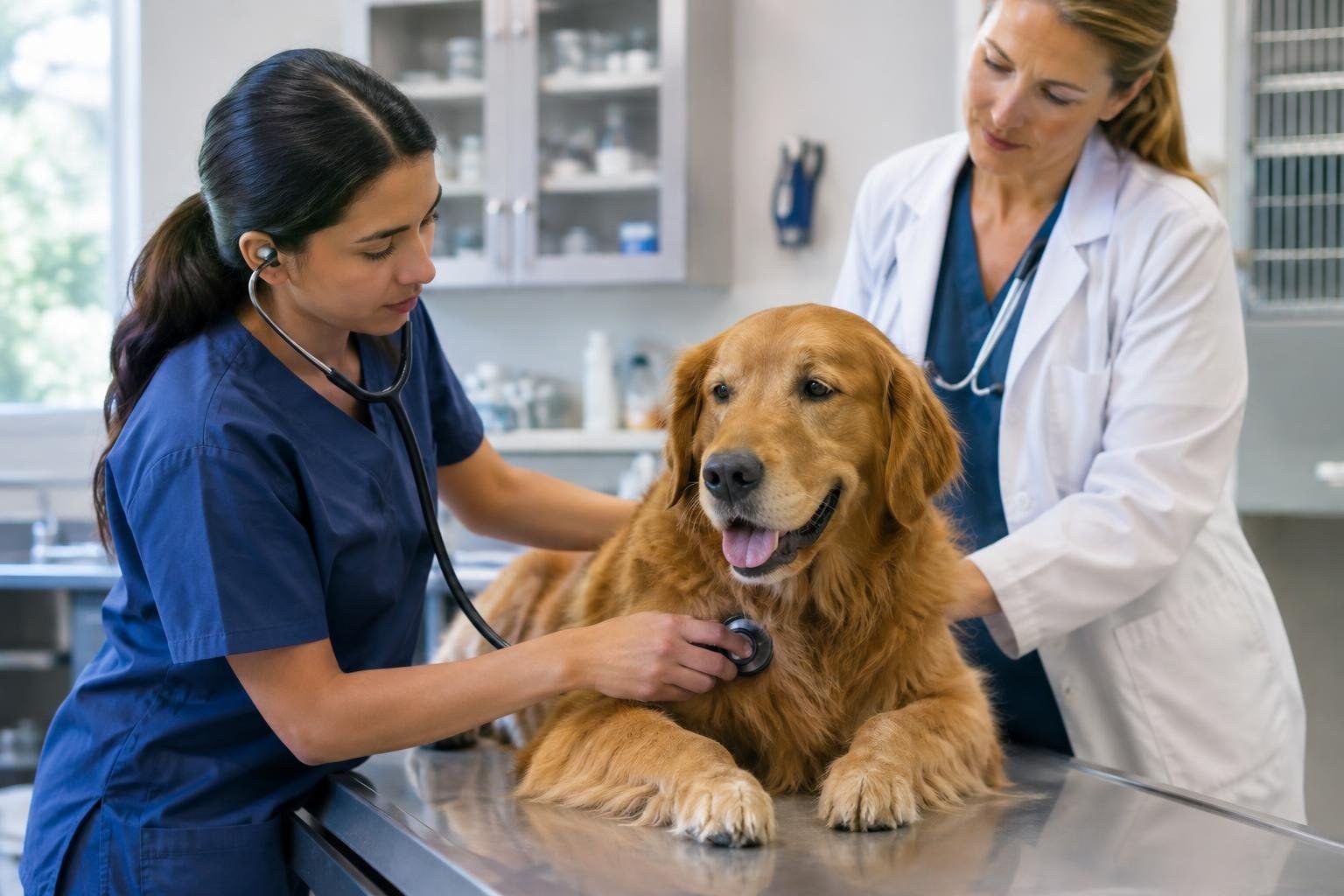
What Is a Small/Companion Animal Surgery and Medicine Degree?
Small/companion animal surgery and medicine is the clinical care of pets, primarily companion animals such as dogs and cats. It includes preventive care, diagnosis, treatment, and surgical management of health problems. The label can appear in academic catalogs or as a specialty description, but there is no single national undergraduate curriculum implied by the phrase.
Students should distinguish among three related paths:
- Undergraduate preparation: A bachelor’s degree in animal science, veterinary science, biology, or another field can provide relevant coursework. The exact major is not always the key issue; veterinary-school prerequisites and admissions standards matter.
- Professional veterinary education: A veterinary medical degree prepares students for clinical practice, followed by the required licensing process.
- Specialty preparation: Veterinarians seeking surgical specialization pursue additional supervised training and may seek specialty credentials. Requirements depend on the specialty and certifying organization.
Veterinary medicine differs from animal science, which may cover animal biology, nutrition, breeding, production systems, and animal industries. A veterinary science degree may support biomedical or animal-health work and can help prepare some students for professional school, but program titles alone do not establish eligibility to practice.
Because names and credential levels vary, read the catalog description, course list, admissions requirements, and career outcomes rather than relying on a program title.
What Do Students Study?
Students build a foundation in biology and chemistry before moving into more advanced animal-health topics. Depending on the institution and credential, studies may include animal anatomy and physiology, microbiology, genetics, nutrition, reproduction, disease processes, and research methods. Programs with animal-science breadth may also examine livestock and food systems alongside companion animals.
Professional veterinary education adds clinical subjects and practical application. Students learn to gather patient histories, examine animals, interpret diagnostic information, consider treatment options, and communicate with clients. Clinical experiences provide supervised exposure to patient care. The specific mix of classroom, laboratory, and clinical work varies by school.
Students interested in surgery need to understand that an undergraduate pre-veterinary track is preparation, not surgical qualification. Surgical skill develops through veterinary education and later supervised clinical training. Some undergraduate programs offer animal handling, examination, research, or surgery-related learning experiences, but the scope and supervision differ.
Look for opportunities to connect classroom learning with practice: laboratory work, research projects, animal-care experience, internships, and clinical exposure. Ask what students actually do, what supervision is provided, and whether placements are guaranteed or competitive.
Skills You Develop
Useful skills include scientific reasoning, careful observation, interpreting evidence, and communicating clearly. Animal-health work also calls for attention to detail, empathy, teamwork, sound judgment, and the ability to explain options to clients. Research and industry roles may place more emphasis on experimental design, data handling, or product knowledge.
- Science and analysis: Apply biology, chemistry, anatomy, and evidence-based reasoning to animal-health questions.
- Communication: Explain findings and next steps to clients, colleagues, researchers, or employers.
- Hands-on practice: Build animal-handling and clinical skills within appropriate training and supervision.
- Professional judgment: Balance patient needs, safety, available evidence, and practical constraints.
- Technology: Learn to use the diagnostic, recordkeeping, laboratory, and information systems required by a particular workplace.
Students should ask programs which technical skills are taught and assessed rather than assuming that a degree title guarantees proficiency in a specific instrument or software package.
Who Is This Degree Best For?
This path may appeal to students who are curious about biology, motivated by animal health, and willing to work through a demanding sequence of science and clinical learning. It can involve both conceptual study and practical work. Clinical careers also require patient communication and collaboration, not simply an interest in animals.
Think about how you respond to challenging situations, detailed study, and the realities of animal illness and injury. Shadowing a veterinarian, volunteering in an animal-care setting, or speaking with veterinary students can offer a more realistic picture than relying on a general love of pets.
Does Small Animal Veterinary Medicine Match You?
Salary, reputation, and job projections are only part of a decision. The daily tasks, education commitment, work environment, and personal motivations matter too. The Free MAPP Career Assessment can help you reflect on fit; Degree Matching and Career Matching can help compare related routes, while Matching Jobs can connect career interests to job possibilities.
CTA: Take the Free MAPP Assessment →
Admissions, Length, and Academic Difficulty
Admissions standards depend on the credential and school. Undergraduate programs may consider high-school preparation or transfer coursework. Veterinary professional programs typically specify prerequisite science courses and application requirements; details can vary, so check each school directly. Experience with animals may strengthen preparation, but it does not replace required coursework or guarantee admission.
A typical undergraduate bachelor’s program may require about 120 credits, though this is not universal. The University of Minnesota, for example, lists 120 credits for its animal science major and notes that the program requires summer terms. Transfer credits, part-time attendance, course sequencing, and prerequisites can change the time to completion.
The path can be academically demanding because students must integrate scientific material and apply it carefully. Common challenges include maintaining strong study habits across prerequisite sciences, securing relevant experience, planning courses strategically, and managing the cost and time of further professional education. Prepare by reviewing prerequisite lists early, meeting academic advisers, and testing your interest through supervised animal-care exposure.
Online vs. On-Campus Study
Some courses may be offered online or in hybrid formats, particularly foundational or research-focused subjects. But online availability should not be confused with a fully remote route to clinical practice. Veterinary education involves practical learning and supervised clinical experience with animals.
Before enrolling, ask which courses require campus attendance, how laboratory sessions work, where clinical learning takes place, whether students arrange placements themselves, and whether travel or relocation is necessary. Confirm that the program’s accreditation and structure fit your intended credential and licensing pathway.
Cost, Financial Aid, and Affordability
The cost of this path depends on the institution, residency status, degree level, program length, living expenses, and any lab, clinical, technology, or placement fees. Students pursuing surgery should also consider the possibility of additional training after veterinary school. Because costs differ widely and no comparable current tuition figures are established here, request a written cost-of-attendance estimate from each school.
Compare total expected borrowing through the credential you actually need, not just the first year of undergraduate study. Ask financial-aid offices about grants, scholarships, work-study, payment plans, and employer assistance. Transfer credits and community-college coursework may reduce costs when accepted, but confirm that the credits satisfy both the undergraduate degree and veterinary-school prerequisites. Avoid taking a cheaper course that fails to meet a target program’s requirements.
Ways to Reduce Costs Safely
- Compare in-state public options, private programs, and eligible transfer pathways.
- Check course equivalencies with both your current adviser and prospective veterinary schools.
- Ask for the full cost of attendance, including fees and realistic living expenses.
- Apply for aid early and read scholarship terms carefully.
- Consider whether the intended career requires the full professional and specialty pathway before committing to additional education.
Careers, Pay, and Job Outlook
Education requirements differ substantially among animal-related occupations. A bachelor’s degree may lead to research support, animal-industry, or other related roles, depending on experience and the employer. Practicing as a veterinarian requires professional veterinary education and the applicable license. Surgical specialization requires further preparation beyond the initial veterinary degree.
Rather than treating a broad degree as a promise of a specific occupation, use the table as a starting point and verify qualifications in current job postings and licensing sources.
| Career direction | Typical education or requirement | Pay and outlook | How related study applies |
|---|---|---|---|
| Veterinarian in companion-animal practice | Professional veterinary degree and applicable state license | Varies by location, employer, experience, and practice; consult current BLS and state data | Clinical training supports diagnosis, treatment, preventive care, and client communication |
| Veterinary surgeon | Veterinary degree, licensure, and additional specialty training as applicable | Specialty and location affect earnings; verify current occupational data | Advanced training builds on veterinary clinical foundations |
| Veterinary researcher or biomedical scientist | Requirements vary; research positions may require graduate or professional study | Varies by employer, research area, and education | Science, animal-health, and research preparation can support relevant work |
| Animal-health industry specialist | Employer-dependent; relevant science degree and experience may help | Varies by role and employer | Animal biology and health knowledge may apply to product, technical, or support work |
| Animal-care or veterinary support role | Requirements vary by job and state; check scope and credential rules | Varies; use current occupational and local data | Animal handling and health coursework may be useful, but may not replace a required credential |
| Animal science or production specialist | Often related undergraduate preparation; employer requirements vary | Varies by industry and geography | Animal science coursework can apply to nutrition, production, research, or technical support |
These occupations do not share one outlook or pay range. Search the exact occupation in the U.S. Bureau of Labor Statistics Occupational Outlook Handbook and O*NET, and review local openings. Employment trends can differ across clinical practice, research, animal industries, and regions. Technology may support records, imaging, laboratory workflows, and data analysis, but it does not remove the need for qualified clinical judgment and hands-on care.
For context on animal-related work, the U.S. Bureau of Labor Statistics and O*NET provide occupation-specific definitions and labor-market information. Do not use an unrelated occupation’s median pay as a proxy for a veterinary specialty.
Find out which Career or College Major is right for you!
Take the MAPP free today!Experience, Credentials, Licensing, and Safety
Relevant experience can help students understand the work and strengthen their preparation. Options include supervised animal-care volunteering, veterinary-clinic observation, research projects, internships, campus animal programs, and professional networking. Each opportunity has different duties and eligibility rules. Follow the organization’s safety procedures and do not perform clinical tasks beyond your training.
How to Stand Out to Employers
- Build a record of relevant, supervised experience and be clear about your responsibilities.
- Develop strong writing, teamwork, and client-service communication alongside science skills.
- Seek research or project work that demonstrates careful observation and follow-through.
- Use faculty, advisers, and professional groups to learn about career paths and application expectations.
- Keep a résumé that distinguishes coursework, animal-care experience, research, and credentials.
A degree is not the same as a license. Verify veterinary licensing rules with the appropriate state authority, and confirm any technician or specialty credential with the organization that administers it. Ask programs how their accreditation relates to the intended credential and what clinical experiences students receive. There is no general warranty of employment or professional outcomes based solely on graduating.
Graduate School and Advanced Training
Possible next steps include veterinary professional education for clinical practice, graduate study in animal or biomedical science for research-focused goals, and advanced clinical training for veterinarians pursuing a specialty. The right option depends on the work you want to do. A Ph.D. and a professional veterinary degree serve different purposes; neither should be selected simply because it sounds more advanced.
For veterinary school, check prerequisite courses and admissions standards before choosing an undergraduate major. For surgical work, learn the current specialty-training and credentialing pathway from veterinary schools and recognized professional organizations. Requirements can change, so use official sources rather than relying only on informal advice.
Related Degrees and Alternatives
- Animal science: Consider this instead if you want broad study of animals, production, nutrition, genetics, or industry, and want to preserve several career options.
- Veterinary science: Consider this if animal-health science or biomedical research interests you, while checking whether the program supports your intended next step.
- Biology or biomedical science: Consider this if you want a wider scientific foundation that may lead to research or professional study.
- Veterinary technician education: Consider this if you want a distinct clinical-support route; verify state-specific education and credential rules.
- Zoology or wildlife biology: Consider this if wildlife, ecosystems, or conservation appeal more than companion-animal clinical care.
- Animal nutrition: Consider this if nutrition science and animal diets interest you more than patient diagnosis and surgery.
- Animal behavior or training: Consider this if behavior, learning, and human-animal interaction are your focus.
Veterinary Medicine vs. Animal Science
Veterinary medicine centers on clinical diagnosis and treatment and leads toward a licensed profession. Animal science is broader and may emphasize biology, nutrition, reproduction, production, or industry. Some animal science programs offer pre-veterinary preparation, but students must still complete the prerequisites and professional education required for veterinary practice. Earning potential depends on the occupation, education, employer, and location, not just the undergraduate major.
Advantages, Drawbacks, and Is It Worth It?
Advantages: The field connects science with practical animal care; related programs can lead toward clinical, research, or animal-industry opportunities; and students can choose between patient-care and research-oriented routes.
Drawbacks: Becoming a veterinarian requires substantial education and licensing, surgical specialization adds further training, and the total cost can be significant. Clinical work also involves demanding study and emotionally difficult situations. An undergraduate degree alone may not qualify a graduate for the job they initially picture.
Whether the path is worth it depends on the total cost and time, the specific role you want, access to suitable programs, your need for further education, and how well the work fits you. Compare realistic job requirements and likely borrowing with alternatives before making a decision.
How to Choose the Right Program
Compare programs using a written checklist rather than relying on a broad program name or recruitment claims:
- Accreditation: Confirm the relevant accreditor and status through official sources. Ask what the status means for the credential you seek.
- Curriculum: Match required courses to veterinary-school prerequisites or your intended nonclinical career.
- Clinical and research access: Ask what placements, laboratories, animal facilities, and supervision are available.
- Total cost: Request tuition, fees, living costs, and likely additional training expenses.
- Format and timing: Confirm in-person requirements, summer terms, placement travel, and course sequencing.
- Outcomes: Request clearly defined, recent information on completion, further study, and employment. Ask how data are calculated.
- Career support: Check advising, internship support, employer relationships, and help with professional-school applications.
- Transferability: Get written confirmation that credits meet degree and prerequisite requirements.
- Licensure preparation: Verify that the program fits the education pathway required by the authority where you intend to practice.
Assessment.com’s Degree Matching and Career Matching can help you explore fit, but independently verify program accreditation, admissions rules, costs, and licensing eligibility.
CTA: Explore colleges and programs that fit your goals →
From Degree to Career: Possible Pathways
One possible pathway is: undergraduate science or animal-related degree → veterinary-school admission and professional veterinary degree → licensed general veterinary practice → supervised specialty training → advanced surgical practice. Another route may be: animal or veterinary science degree → research assistant or animal-health industry role → graduate study or specialized industry experience.
These are examples, not guaranteed sequences. Admission, hiring, training, and specialty recognition depend on the student, school, employer, and applicable requirements. Decide which endpoint interests you, then work backward to identify the required education and experience.
Questions to Ask Before Enrolling
Before committing, ask the school and yourself:
- Is the program appropriately accredited for my intended educational and professional goal?
- What is the full cost through completion, including fees and living expenses?
- What recent completion, employment, or further-study outcomes can the school document?
- How are internships, research placements, and clinical experiences arranged?
- Does the curriculum meet the prerequisites for the veterinary programs I may apply to?
- What work is online, hybrid, or in person, and will I need to travel?
- Which credits transfer, and can I get that answer in writing?
- What advising, career services, and employer connections are available?
- What grants, scholarships, and other aid might I qualify for?
- What license or additional training is required for the job I want?
Red Flags and Common Mistakes
Be cautious of promises of guaranteed admission, licensure, employment, or earnings. A school should be able to explain accreditation, clinical arrangements, fees, and outcomes clearly. Do not assume a program title makes graduates veterinarians, that every animal-related degree meets veterinary-school prerequisites, or that online coursework removes clinical requirements. Confirm claims with official schools, licensing authorities, and professional organizations before paying a deposit.
Factors That Affect the Project
Planning this education path depends on the credential and career goal you choose. An undergraduate animal science program may require a set number of credits and can include summer terms; the University of Minnesota lists 120 credits and summer terms for its animal science major. Veterinary-school prerequisites also affect which courses you need and how you sequence them. Related undergraduate programs can prepare students for different directions, including veterinary school, animal-related industries, or graduate study. If your goal is surgery, plan for professional veterinary education and additional specialty training rather than assuming an undergraduate program alone qualifies you for clinical practice. Compare each school’s curriculum and admissions requirements with your intended next step before enrolling.
Frequently asked questions
Is small animal veterinary medicine hard to study?
It can be demanding because students must master science coursework and apply it in practical, supervised learning. Review program prerequisites and course plans early, and seek supervised animal-care experience to help assess your interest in the work.
Is a veterinary medicine degree worth it?
It may be a fit if you are committed to animal health and understand the time, cost, and licensing requirements. Compare the full education path for your intended role with alternatives such as animal-health research or other animal-related work before deciding.
What jobs can I get with a degree related to small animal medicine?
Options depend on your credential and the employer. Related bachelor’s degrees may support animal-health research, biomedical work, or animal-industry roles. Practicing as a veterinarian requires professional veterinary education and the applicable license.
How much can small animal veterinarians make?
Earnings vary by occupation, employer, location, experience, and specialty. Search current labor-market information for the exact occupation and location you have in mind, and do not treat a degree title as a promise of a particular income.
Can I study veterinary medicine online?
Some coursework may be online, but veterinary education includes practical and supervised clinical learning with animals. Ask each school which classes and placements require in-person attendance and how clinical experiences are arranged.
Does veterinary medicine require math?
Yes. Veterinary preparation commonly includes biology, chemistry, and other science and math coursework. Check the prerequisite list and curriculum at each school you may apply to so you can plan courses in the right sequence.
Do I need graduate school to become a veterinarian or veterinary surgeon?
To practice as a veterinarian, students generally need a professional veterinary degree and must meet the licensing requirements where they plan to work. Surgical specialization involves additional clinical training beyond the veterinary degree.
What certifications or licenses are required?
Requirements depend on the role and jurisdiction. Confirm veterinary licensure rules with the relevant authority, and check the education and credential requirements for veterinary support roles with the organization or agency responsible for them.
People Also Ask
Is small animal surgery and medicine an undergraduate degree?
Usually not as a standalone undergraduate credential that qualifies someone to practice. Undergraduate study can provide science preparation, while veterinary practice requires professional veterinary education and applicable licensure.
What is the difference between veterinary science and veterinary medicine?
Veterinary medicine focuses on clinical diagnosis and treatment. Veterinary science can also describe broader study of animal health and related research. Compare program courses and outcomes rather than relying on the title alone.
Can an animal science major prepare me for veterinary school?
It can provide relevant preparation, but veterinary-school prerequisites vary. Compare your planned courses with the admissions requirements of each school you may apply to and confirm course equivalencies with an adviser.
Can you become a veterinarian with an online degree?
Veterinary education requires supervised practical and clinical preparation. Online coursework may be available as part of some study, but ask schools about in-person requirements and clinical arrangements before enrolling.
Do veterinary surgeons need a license?
Veterinary surgeons are veterinarians, so they need the applicable license to practice veterinary medicine. Surgical specialization also involves further training; verify current requirements with the relevant authorities and professional organizations.
Should I major in animal science or veterinary science?
Start with your intended next step. Compare the courses and admissions prerequisites for veterinary programs if you want clinical practice, or review research and industry opportunities if those are your goals. The major itself does not confer veterinary licensure.
Is Small/Companion Animal Surgery and Medicine Right for You? This field may suit students who want to improve the health of pets, enjoy rigorous science, and are prepared for a long path of supervised clinical training. A bachelor’s degree can provide useful preparation, but it does not qualify someone to practice veterinary medicine. The usual route to become a veterinarian includes completing veterinary school and meeting the licensing requirements where you plan to work. Becoming a veterinary surgeon generally requires additional postgraduate training. If your priority is working with animals sooner, compare veterinary technician programs, animal science, shelter work, and other animal-care paths. If you are deciding between veterinary medicine and research, consider whether you want to diagnose and treat individual patients or investigate broader scientific questions. The best choice depends on your interests, academic preparation, finances, and willingness to pursue further education. Before Choosing a Degree, Find Out What Fits You Choosing a college program can affect years of education and decades of work. Salary, job growth, and school reputation matter, but so does whether the work fits your motivations, interests, and natural preferences. Take the Free MAPP Career Assessment to discover careers that may match you, how related careers align with your profile, degrees and educational pathways tied to those careers, and potential jobs connected with those paths. Explore Degree Matching, Career Matching, and Matching Jobs as you compare options. Take the Free MAPP Assessment →
Want to see your options? Try our comprehensive Degree, Program & College Search tool
College Search ToolSources & Official Resources
- American Veterinary Medical Association, veterinary education and accreditation information: avma.org.
- U.S. Bureau of Labor Statistics, Occupational Outlook Handbook: bls.gov/ooh.
- O*NET OnLine, occupation descriptions and career information: onetonline.org.
- University of Minnesota, Animal Science Major: ansci.umn.edu/animal-science-major.
- University of Nebraska–Lincoln, Veterinary Science catalog: catalog.unl.edu.
- University of Wisconsin–Madison, Animal and Veterinary Biosciences: guide.wisc.edu.
Check official sources for current program details, licensing requirements, and occupation-specific labor-market figures.