Degree Library
Food Science and Technology Degree Guide: Courses, Careers, Cost & Program Fit
Food Science and Technology, Other is a flexible program classification for food-related study that does not fit a more specific category. Learn about typical coursework, career directions, education requirements, cost questions, and how to compare programs.
Food Science and Technology, Other is a college program classification for food-related study that does not fit a more specific program category. Depending on the school, students may explore food properties, processing, testing, quality, or production. The curriculum and award can differ substantially, so the program title alone does not tell you exactly what you will study. Students may go on to food or agricultural laboratory work, production support, quality-related roles, or further education for scientific positions. The right path depends on the courses and practical experience a college offers. Not sure whether this field fits you? Take the Free MAPP Career Assessment to see how your motivations, interests, and natural preferences align with this degree and related careers.
Millions of people Take the MAPP Career assessment to see which Degrees are the best Match!
You can too,
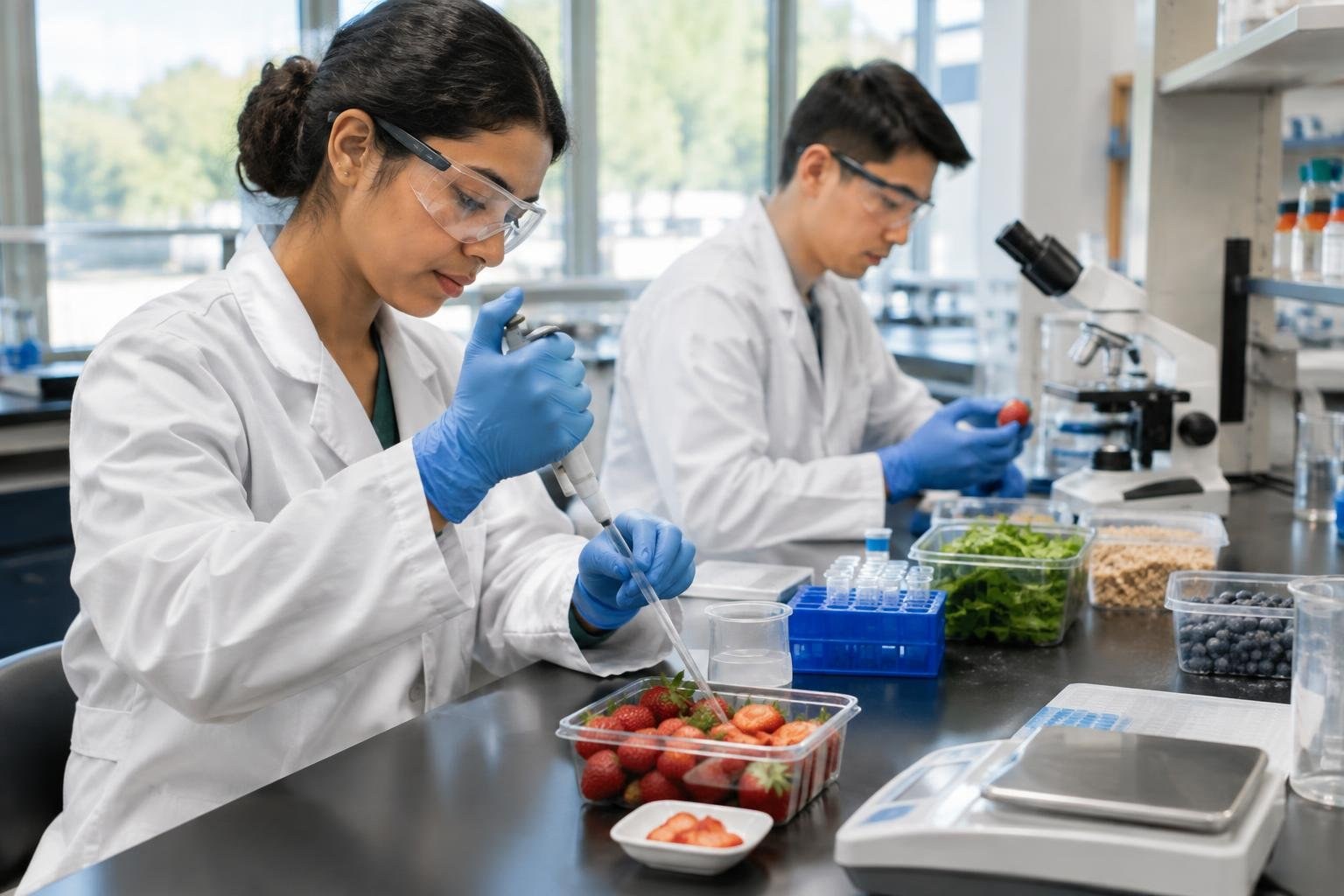
What Is a Food Science and Technology Degree?
Food Science and Technology, Other is a program classification, not a promise of a standardized curriculum or job. It describes food-related education that a reporting system does not place in a more specific category. A college may use a different name for a closely related major, so compare course lists and learning outcomes rather than relying only on the title.
Food science draws on areas such as biology and chemistry to study food and food-related processes. Programs can connect that foundation to laboratory testing, production, quality, or further scientific study. The National Center for Education Statistics classification represented by this title is not itself a professional license.
It is distinct from culinary arts, which emphasizes food preparation and service; nutrition, which focuses on food and health; and food business programs, which may concentrate on management or marketing. These boundaries can overlap, so look at the actual courses.
What Do You Study? Courses and Hands-On Learning
There is no single required course sequence for a program labeled “Other.” A certificate may focus on a narrow set of job skills, while associate and bachelor’s programs usually include a broader academic foundation. Graduate programs tend to add specialized, advanced, or research work. Ask for a current degree plan before applying.
- Foundations: Depending on the program, students may study biology, chemistry, and agriculture-related concepts.
- Applied learning: Laboratory methods, sample handling, measurement, and technical records may be part of a course or concentration.
- Food-industry context: Some programs include food processing, test kitchens, production lines, or regulatory testing environments. Confirm these opportunities with the school.
- Advanced study: Research projects, internships, and capstones vary. Ask whether they are required, how placements are arranged, and whether they carry extra fees.
The BLS identifies biology, physical science, and agriculture as common degree fields for agricultural and food science technicians, with options to concentrate in areas such as animal, crop, or food science. That is occupational guidance, not a universal list of courses.
Skills You Can Develop
Students may develop scientific reasoning, attention to detail, careful observation, basic data interpretation, and the ability to document results. Laboratory or production-focused coursework can also build familiarity with procedures and equipment, depending on the program.
Communication matters: technicians and scientists need to explain findings, maintain clear records, and coordinate with colleagues. In food businesses, graduates may work alongside production, quality, research, or regulatory teams. A course plan that includes projects, presentations, and supervised practical work can help students demonstrate these capabilities to employers.
Who Is This Degree Best For?
This field may interest students who want to study food-related science. Course choices vary considerably among institutions, so review the specific curriculum and practical learning opportunities rather than relying on a program title alone. One published bachelor’s curriculum, for example, includes food chemistry, nutrition, food engineering, sensory evaluation, food quality, and food processing; other programs may differ.
Think about the work you hope to pursue when comparing options. Agricultural and food science technician roles and agricultural and food scientist roles have different typical education requirements. Use those differences, along with the program’s course plan, to identify questions for an adviser and decide whether the degree level fits your plans.
Does Food Science and Technology Match You?
Consider whether the subject matter and the types of courses offered appeal to you, alongside tuition and the education expected for your target role. The Free MAPP Career Assessment, Degree Matching, Career Matching, and Matching Jobs can help you explore fit; use them as guides, not guarantees.
Admissions, Length, and Academic Difficulty
Admissions requirements and program length are set by individual colleges, so check the current requirements and degree plan for each option. The education level relevant to a career can differ: agricultural and food science technicians typically need an associate degree, while agricultural and food scientists typically need at least a bachelor’s degree. Some scientist positions may prefer or require graduate study.
Before enrolling, ask which courses and prerequisites are required, how the program applies transfer credits, and what practical learning is included. Review the course descriptions and requirements with an adviser so you can assess the academic preparation expected for that particular program.
Online vs. On-Campus Programs
Online food science and technology options exist, but the format and requirements depend on the specific program. For example, saved program information describes online food science and technology offerings at the graduate level. Do not assume that every program with online coursework has the same delivery format or requirements.
Before applying, ask the college which courses are online, whether any campus attendance or practical components are required, and what schedule the program follows. Compare the written program details, course plan, and total cost with your needs.
Cost, Financial Aid, and Ways to Save
There is no single cost figure in the available program information that applies to every Food Science and Technology, Other degree. Compare the specific college’s tuition and required fees, books, and any program-related expenses. Some college program information describes financial aid as an option for costs such as tuition and books, but eligibility and award amounts depend on the student and institution.
Request a written cost estimate from each college and ask which expenses are required for your chosen course plan. Check financial-aid eligibility, application steps, and renewal conditions directly with the school. Comparing complete estimates can help you evaluate options without assuming that an advertised tuition amount includes every expense.
Careers, Pay, and Job Outlook
Food Science and Technology, Other does not map to one occupation. The following examples describe related paths, not guaranteed outcomes. Pay and outlook differ by occupation, employer, location, and experience; consult current BLS profiles for figures before making financial decisions.
| Career direction | Typical education context | Pay and outlook | How the degree may apply |
|---|---|---|---|
| Agricultural and food science technician | Associate degree is typical; some employers accept related experience or seek a bachelor’s degree | Check current BLS profile for median pay and outlook | Science and agriculture coursework can support laboratory or applied technical work |
| Agricultural and food scientist | At least a bachelor’s degree typically; some employers prefer or require graduate study | Check current BLS profile for median pay and outlook | Food science preparation may support research, analysis, or product-related work |
| Food production or laboratory support worker | Requirements vary by employer and position | Compare local job postings and current wage data | Relevant coursework and practical experience may help demonstrate job readiness |
| Research associate or specialist | Depends on the employer, project, and level of responsibility; advanced study may help | Compare job-specific wage data | Research experience and documented laboratory skills can be relevant |
Potential employers include food businesses, laboratories, and public agencies involved in testing or regulation. BLS guidance distinguishes technician work from scientist roles and notes higher degree expectations for scientists. Automation and new testing tools may change specific tasks, but students should focus on transferable scientific judgment, documentation, and technical skills rather than assuming technology will eliminate or guarantee jobs.
Find out which Career or College Major is right for you!
Take the MAPP free today!Career Paths and Education Requirements
Food Science and Technology, Other does not map to one occupation. These examples describe related paths, not guaranteed outcomes. Education requirements differ by role, and employers may set additional requirements.
| Career direction | Typical education context | How the degree may apply |
|---|---|---|
| Agricultural and food science technician | An associate degree is typical, though some people enter with related experience and some employers may seek a bachelor’s degree. | Biology, physical science, or agriculture coursework, including a food science concentration, can be relevant preparation for technical work. |
| Agricultural and food scientist | At least a bachelor’s degree is typical; some employers prefer or require graduate study. | Food science or a related field may provide preparation for scientific work. |
| Food production or laboratory support | Requirements vary by employer and position. | Food technology graduates may find work in food processing, test kitchens, production lines, or government testing laboratories. |
Potential workplaces include food businesses, laboratories, and public agencies involved in testing or regulation. When comparing career options, check the education and experience requirements for the specific position and review current occupational information for that role.
Related Degrees and Alternatives
Related options include:
- Food science: Consider this if a college offers a clearly defined food-focused curriculum rather than a broad “Other” classification.
- Food technology: Consider this if you want more emphasis on applying technology to production and processing.
- Agricultural science: Consider this if you want a broader focus on agriculture, crops, or livestock.
- Biology: Consider this if you want a broad life-science foundation that can lead to several areas of further study.
- Chemistry: Consider this if chemical analysis and laboratory science are your main interests.
- Nutrition: Consider this if you are more interested in food and human health.
- Culinary arts: Consider this if you want food preparation, kitchen operations, or hospitality training.
- Agricultural and food science technician training: Consider associate-level options if your near-term goal is technical support work.
Compare food science and food technology by looking at the balance of foundational science, processing, testing, and hands-on work. Names vary across colleges, so compare course plans and ask what jobs graduates pursue.
Advantages, Drawbacks, and Is It Worth It?
Advantages: The field can connect science to practical questions about food and production. A range of credential levels may be available, and relevant education can support technical or scientific pathways. Some students may value the mix of classroom and applied learning.
Drawbacks: The “Other” label can make curricula hard to compare. Some careers require more education than a student initially expects, and laboratory or internship components may add scheduling and cost demands. A degree does not guarantee a particular job or wage.
Assess value by estimating total cost, identifying realistic entry-level roles, checking employer requirements, and considering whether further study is likely for your goal. A good choice is one that makes sense for your circumstances, not one that is universally best.
How to Choose a Program: A Practical Checklist
Compare the written course plan, credential, delivery format, and practical learning opportunities at each college. Program requirements and course offerings vary among institutions, so ask an adviser to explain how the curriculum fits the role you are considering.
Use occupational education guidance to check whether the credential level aligns with your goal: agricultural and food science technicians typically need an associate degree, while agricultural and food scientists typically need at least a bachelor’s degree. Some scientist employers may prefer or require graduate study.
Questions to Ask Before Enrolling
- What exact credential and major will appear on my transcript?
- Which courses include labs, research, or internships, and are they required?
- What is the total estimated cost, including fees and supplies?
- Which credits can transfer, and what is the policy in writing?
- What kinds of roles do graduates pursue, and how are outcomes measured?
- Does the program prepare students for any specific employer-requested credential?
- What online, hybrid, or campus attendance is required?
- What financial aid is available, and what conditions apply to renewal?
Ask employers or relevant authorities to confirm any job-specific credential requirements before paying for a credential.
From Degree to Career: Possible Pathways
Career paths can develop in different ways. For example, an associate degree plus relevant experience may lead toward an agricultural and food science technician role; additional coursework and experience can support specialization in a laboratory or production setting. A bachelor’s degree may be a foundation for agricultural and food scientist work, while some employers prefer or require graduate education for particular positions.
These are possible pathways, not promised promotions. Confirm the education and experience requirements in current job postings and BLS occupational profiles. Choose internships and electives that build toward a specific next step.
How Your Degree Plan Shapes Your Options
The details that shape a student’s program plan include the college’s course requirements, the credential level, and the career being considered. Food Science and Technology curricula can differ among institutions, so compare actual course lists rather than assuming that program titles describe the same training. The preparation also differs by role: agricultural and food science technicians typically need an associate degree, while agricultural and food scientists typically need at least a bachelor’s degree. Some scientist positions may require or prefer graduate study.
When comparing programs, check whether the course plan includes the food science subjects and practical opportunities relevant to your goals. One published bachelor’s curriculum, for example, lists food chemistry, nutrition, food engineering, sensory evaluation, food quality, and food processing. Treat that as one program example, not a standard required curriculum.
Frequently asked questions
Is food science and technology a difficult major?
It can be challenging because students may encounter chemistry, biology, microbiology, statistics, laboratory procedures, and technical writing. The exact demands vary by institution and degree level. Students who build strong study habits, ask for help early, and gain hands-on experience can prepare for the workload. Review actual course prerequisites before enrolling.
Is a food science and technology degree worth it?
It may be worthwhile for someone interested in food production, quality testing, safety, or scientific research, especially when the program has relevant laboratory or industry experience. Value depends on tuition, financial aid, location, degree level, and career goals. Compare program outcomes and job requirements rather than assuming that a particular major guarantees a specific salary or job.
What jobs can I get with a food science degree?
Depending on the curriculum and credential, graduates may pursue technician roles in food or agricultural laboratories, quality-related work, production support, or further study for food scientist positions. Job titles and requirements differ by employer. The BLS says technician entry requirements vary, while agricultural and food scientists typically need at least a bachelor’s degree.
How much can you make with a food science degree?
There is no single salary for this program because pay is tied to occupation, education, experience, employer, and location. Compare current U.S. Bureau of Labor Statistics wage information for the specific role you want, such as agricultural and food science technician or agricultural and food scientist. Do not treat a degree title as a salary prediction.
Can I earn a food science degree online?
Some lecture courses may be available online, but laboratory learning, equipment use, research, or internships can require in-person participation. Ask each college which parts of the program are online, whether any campus visits are mandatory, and whether local placements are available. Confirm these details before comparing online tuition with campus costs.
Does food science require a lot of math?
Many programs include chemistry and biology, and some require statistics or other quantitative coursework. The amount of math and science depends on the degree level and course plan. Ask for the current curriculum and prerequisites, then compare them with your preparation. A college may offer tutoring or prerequisite courses, but verify availability and added cost.
Do I need graduate school to work in food science?
Not necessarily for every related job. The BLS says agricultural and food science technicians typically need an associate degree, although some enter with a high school diploma and related experience and others may need a bachelor’s degree. Agricultural and food scientists typically need at least a bachelor’s, and some employers prefer or require graduate study.
What certifications or licenses help food science graduates?
The right credential depends on the role and jurisdiction. The supplied occupational guidance does not establish one universal license or certification for all food science jobs. Ask employers and program advisers about credentials relevant to your intended position, and verify any requirements with the appropriate official organization before paying for a credential.
How is food science different from nutrition?
Food science focuses on scientific questions about food, such as its composition, processing, testing, and safety. Nutrition programs focus more on how food and nutrients relate to people’s health. Curricula differ by school, and regulated nutrition roles may have separate education or credential requirements. Compare course plans and the jobs each program prepares students to pursue.
What is the difference between food science and food technology?
Food technology often emphasizes applying scientific and technical knowledge to food production, processing, and testing. Food science is a broad label that can include the study of food properties, safety, and quality. Colleges use program names differently, so compare courses and hands-on work rather than relying on the title alone.
People Also Ask
What does Food Science and Technology, Other mean?
It is a program category for food-related study that does not fit a more specific classification. Course content varies by institution.
What do you study in food science and technology?
Programs may cover food science foundations, laboratory methods, testing, processing, and production. Check the college’s course plan for specifics.
What can I do with a food science degree?
Possible routes include food and agricultural laboratory technician work, quality-related roles, production support, and graduate study.
What degree do you need to work in food science?
Technician roles may require an associate degree, while agricultural and food scientist jobs typically require at least a bachelor’s degree.
Can food science be studied online?
Some coursework may be online, but labs, research, and internships may involve in-person participation. Requirements vary by program.
How much does a food science degree cost?
Compare tuition, fees, residency, lab expenses, supplies, and living costs. Request a full cost estimate from each college.
Is food science the same as nutrition?
Food science emphasizes scientific and technical aspects of food. Nutrition studies food and nutrients in relation to health.
Do food scientists need a master’s degree?
Some scientific positions may favor or require a graduate degree, but technician and support roles have different entry requirements.
Is Food Science and Technology, Other Right for You? This program category may suit students who want to understand how food is developed, produced, tested, or kept safe, and who are comfortable combining science with practical problem-solving. It can lead toward food-industry and laboratory work, but the actual opportunities depend on the courses, experience, and credential level in a specific program. If you want to conduct advanced research or lead scientific projects, a bachelor’s degree may be a starting point rather than the final step. If you are drawn mainly to food service, culinary arts, or nutrition counseling, another program may fit better. Compare curricula, total cost, hands-on experience, and employer connections before deciding. Most importantly, consider whether the daily work involved matches your interests and strengths. Before Choosing a Degree, Find Out What Fits You Choosing a college program can affect years of education and decades of work. Salary, job growth, and school reputation matter, but so does whether the work fits your motivations, interests, and natural preferences. Take the Free MAPP Career Assessment to discover careers that may match you, how related careers align with your profile, and degrees and educational pathways connected with those careers. Use Degree Matching, Career Matching, and Matching Jobs as tools for exploration, not as guarantees of admission or employment.
Want to see your options? Try our comprehensive Degree, Program & College Search tool
College Search ToolSources & Official Resources
- Degree Options | Department of Animal Science
- B.S. in Animal Sciences | Animal & Food Sciences
- Agricultural and Food Science Technicians : Occupational Outlook Handbook: : U.S. Bureau of Labor Statistics
- Agricultural and Food Scientists : Occupational Outlook Handbook: : U.S. Bureau of Labor Statistics
- B.S. Food Science & Technology | University of Wisconsin - Stout
- Food Science & Technology | ANCA Pathway | Bakersfield College
- Bachelors in Food Science and Technology – Online Degree
- Applied Food Science and Technology (Online) | Master of Business and Science Degree
- Bachelor's in Food Science | K-State Online | Kansas State University
- Online Master’s in Food Science and Technology | NMSU Global Campus