Degree Library
Dairy Husbandry and Production Degree Guide: Courses, Careers, Cost, and Program Fit
Learn what dairy husbandry and production programs cover, how long they take, what they may cost, and which careers they can support. Compare credentials, practical training, and pathways before choosing a program.
Dairy husbandry and production programs teach students about caring for dairy animals and managing dairy operations. Depending on the credential and school, study may cover animal nutrition, breeding and reproduction, herd health, milk production, farm safety, equipment, and business practices. Graduates may pursue hands-on production and animal-care roles or continue toward broader work in agriculture, animal science, management, or research. Program titles and course plans vary, so compare what students actually learn and how much supervised practical experience is included. A dairy-focused program is not the same as veterinary school, and the degree alone does not qualify someone to practice veterinary medicine. Not sure whether dairy husbandry and production fits you? Take the Free MAPP Career Assessment to see how your motivations, interests, and natural preferences align with this degree and the careers it can lead to. Take the Free MAPP Assessment →
Millions of people Take the MAPP Career assessment to see which Degrees are the best Match!
You can too,
What Is a Dairy Husbandry and Production Degree?
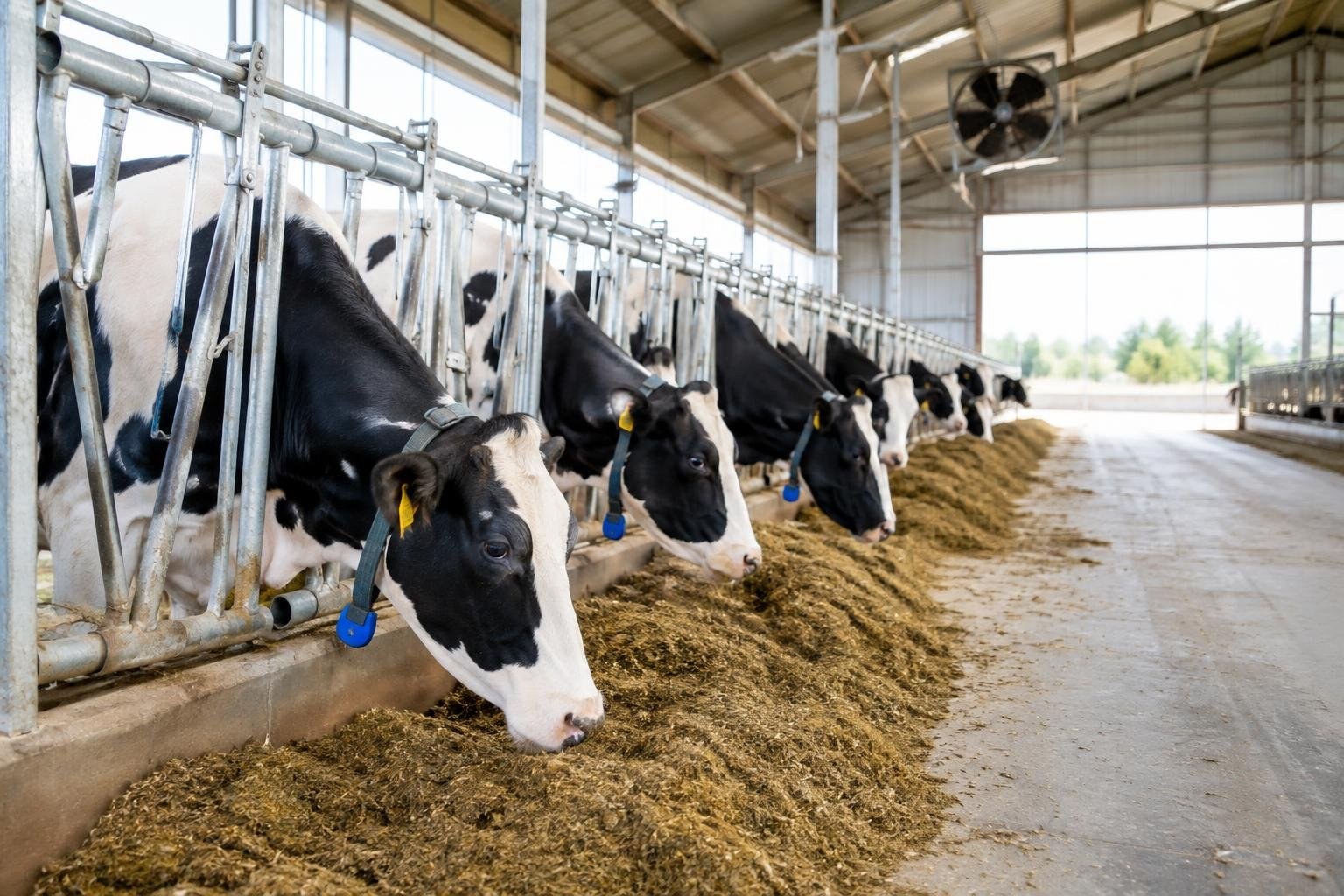
Dairy husbandry and production is a field of study about the care, management, and production of dairy animals and the systems that support dairy operations. It applies biological and practical knowledge to questions involving animal health, nutrition, breeding, production, and farm management.
Programs may be listed under dairy science, animal science, agriculture, or agricultural production. The federal Classification of Instructional Programs includes a dairy science program category, but colleges choose their own names and course structures. A program description or major title alone cannot tell you how much dairy-specific instruction it offers.
Credentials can include certificates, associate degrees, bachelor’s degrees, and graduate study. A certificate or associate degree may emphasize applied and technical foundations; a bachelor’s program may include wider scientific, analytical, and management study. Advanced degrees generally suit students pursuing specialized research or academic work. These are broad patterns, not guarantees, so review each college’s catalog.
Dairy husbandry is not veterinary medicine. Students may learn about animal health and welfare, but the degree does not authorize veterinary diagnosis or treatment.
What Do You Study? Courses and Practical Learning
Course plans vary, but students commonly build a foundation in animal biology and production before applying it to dairy herds and farm operations. Depending on the program, topics may include:
- Animal anatomy, physiology, and behavior: how body systems function and how handling and environment affect animals.
- Nutrition and feeding: how diet supports animal health and production, and how feed decisions are evaluated.
- Breeding and reproduction: reproductive management and the principles behind selecting animals for herd goals.
- Herd health and welfare: recognizing management concerns and understanding prevention, care, and appropriate veterinary involvement.
- Dairy production and records: interpreting production information and using records to support operational decisions.
- Farm safety and management: safe animal and equipment practices, facilities, labor, and business considerations.
Some colleges offer laboratories, farm practicums, internships, research, or capstone projects. These experiences let students connect classroom concepts to real operations. Ask how many hours are supervised, what animals or facilities are available, and whether students must find their own placement. Do not assume that every program provides the same practical exposure.
Delta College describes animal science training that includes management, production, breeding, nutrition, health, safety, and animal handling. These are useful examples of subjects to look for, not a universal curriculum.
Skills You Can Develop
Students can develop skills in animal handling, observation, production records, nutrition and reproduction concepts, workplace safety, and day-to-day operational problem-solving. Depending on coursework, they may also practice basic data interpretation, written reporting, teamwork, communication, and planning.
These skills can apply to herd-support and production work, farm operations, animal-care roles, agricultural sales, and quality or production support. Employers may also expect equipment familiarity, reliability, and experience with the particular animals or systems they use. Ask programs which skills students practice directly and which are mainly taught in class.
Who Is This Degree Best For?
This field may appeal to students interested in animal biology, food production, agriculture, and practical problem-solving. It can suit people who enjoy learning by doing as well as studying scientific concepts, keeping accurate records, and following safety procedures.
Students should consider that dairy work can involve physical tasks, animals, machinery, outdoor environments, and schedules shaped by farm operations. The balance depends on the eventual job. A student interested in animals but not production settings might compare wildlife biology, companion-animal fields, or other life sciences. A student more interested in business could explore agribusiness.
Does Dairy Husbandry and Production Match You?
Salary, prestige, and projected job growth are only part of a decision. Think about whether you are interested in the daily tasks, working conditions, and education required for the occupations you are considering. The Free MAPP Career Assessment can help you reflect on your motivations and preferences. Use Degree Matching and Career Matching as exploration tools, then verify requirements with colleges and employers.
Explore career and degree fit with the Free MAPP Assessment →
Admissions, Program Length, and Academic Difficulty
Admissions requirements are set by each school and credential. Applicants to undergraduate programs may need a high school diploma or equivalent, transcripts, and placement or prerequisite coursework. Some colleges have minimum GPA requirements; others may request essays, interviews, or relevant experience. Do not assume a standardized test, farm background, or prior animal experience is required.
Completion time depends on credential, credit load, prerequisites, course sequencing, transfer credit, and whether required farm experiences run on a fixed schedule. Full-time study usually takes less calendar time than part-time study. An associate degree often takes less time than a bachelor’s degree, but students should use the college’s official degree map rather than a generic estimate. Accelerated options and online courses may not shorten required practical components.
Challenges can include biology coursework, applied calculations, balancing classwork with scheduled practical experiences, and adjusting to hands-on work. Prepare by refreshing basic biology and math, checking course prerequisites, and asking about tutoring and accessibility supports. If possible, visit a teaching farm or talk with students about the actual workload.
Online vs. On-Campus Study
Online, hybrid, and campus formats may be available, but the mix differs by institution. Some lectures or general education requirements may be offered online. Animal handling, laboratory work, farm visits, internships, or assessments may require in-person attendance.
Before enrolling in a distance program, ask for a list of every required visit, placement, and practical activity. Confirm where it takes place, whether the college arranges it, whether travel or equipment costs are additional, and whether the schedule works for students who live far from campus. A program’s online label does not establish that all degree requirements can be completed remotely.
Cost and Financial Aid
Ask each college for a current estimate of the full program cost, including required fees, supplies, and practical experiences. Costs and aid options are set by individual institutions, so use the school’s published information and contact its financial aid office with questions. If you are comparing an associate degree with a transfer plan and a four-year program, confirm which credits will apply to your intended degree before making a decision. Your education goal, such as entering work, transferring, or preparing for further study, can also shape which program is the best fit.
Careers, Pay, and Job Outlook
Dairy-focused education can prepare students for a range of roles, but a degree does not guarantee a particular job. Potential pathways include:
| Career area | Typical preparation | How the study may apply |
|---|---|---|
| Dairy herd or production assistant | Entry-level training or related college study; employer-specific experience may matter | Animal care, handling, production routines, safety, and recordkeeping |
| Livestock care or farm support worker | Varies by employer; practical experience is often relevant | Animal husbandry, observation, feeding, and safe work practices |
| Dairy operations supervisor or manager | Relevant experience; employers may prefer college study | Operations, workforce coordination, production records, and animal management |
| Feed or animal-health product sales | Employer requirements vary; communication and product knowledge are useful | Animal nutrition or production context supports customer conversations |
| Milk-quality or production support role | Training and qualifications depend on the employer and job duties | Production knowledge, careful documentation, and quality awareness |
| Agricultural or animal science technician | Requirements vary; some positions require additional technical training | Applied science and animal-production knowledge may be relevant |
| Agricultural business or farm operations role | Experience or a related business credential may be preferred | Production understanding can complement planning and management skills |
| Animal or agricultural researcher | Research roles may require a bachelor’s degree or graduate study, depending on duties | Further study can build on animal science and production foundations |
| Veterinarian | Doctor of Veterinary Medicine and state license required | Dairy study may inform an interest in animal health, but is not a substitute for veterinary education |
Employment and pay depend on occupation, region, experience, employer, and education. There is no single “dairy degree salary.” For current occupation-specific medians and outlook, consult the U.S. Bureau of Labor Statistics Occupational Outlook Handbook and O*NET, checking the occupation definition and data year. College career pages may identify possible paths, but those examples should not be treated as guaranteed placements or salary evidence.
Employers can include dairy farms, agricultural suppliers, animal-health and feed businesses, food and production organizations, and research or educational settings. Dairy production is affected by technology and changing operational practices; digital records and data tools may shape some roles. Evaluate specific job duties rather than assuming automation will eliminate or create a particular job.
Find out which Career or College Major is right for you!
Take the MAPP free today!Experience, Credentials, and How to Stand Out
Relevant experience can help students connect classroom learning to employer needs. Look for supervised farm work, internships, co-ops, research, class projects, student agricultural organizations, volunteer opportunities, and networking with local producers. Keep a record of responsibilities and skills learned, while respecting employer rules and animal-safety procedures.
How to Stand Out to Employers
- Describe practical experience specifically, including the tasks you performed and the supervision received.
- Show reliability, safe work habits, communication, and attention to accurate records.
- Build familiarity with the tools and systems actually used in the roles you want.
- Ask employers which training or credentials they recognize before paying for optional certificates.
- Use internships and faculty connections to learn about different dairy and agricultural workplaces.
Degree completion is not professional licensure. In particular, a dairy production credential does not authorize veterinary practice. Ask the state licensing authority and prospective employers about any role-specific credentials or legal requirements.
Graduate School and Veterinary Pathways
Graduate study may fit students who want advanced research, specialized scientific work, or academic careers. Possible directions include animal science, dairy science, agricultural business, or related biological fields. An MBA or other business degree may be relevant to some management goals, but experience and employer expectations matter too.
Veterinary school is a separate professional path. Applicants must meet veterinary-program prerequisites and admissions standards, complete a Doctor of Veterinary Medicine program, and satisfy state licensing requirements to practice. A dairy-focused undergraduate degree may provide relevant background, but students should confirm prerequisite courses with each veterinary school rather than assume that a particular major is required or sufficient.
Related Degrees and How to Compare Them
- Animal science: Consider this instead if you want to study multiple species or keep options broad across animal production and science.
- Agriculture, general: Consider this instead if you want an introduction to several agricultural areas before specializing.
- Agricultural business and management: Consider this instead if business operations, sales, or management interest you more than daily animal production.
- Farm and ranch management: Consider this instead if you want broader operational preparation across agricultural enterprises.
- Veterinary medicine: Consider this instead if your goal is to diagnose and treat animals as a veterinarian and you are prepared for professional school.
- Animal health: Consider this instead if you want a stronger focus on animal health topics; confirm what roles the specific credential supports.
- Agricultural production operations: Consider this instead if you want production-focused preparation that is not limited to dairy.
- Food science or food technology: Consider this instead if you are more interested in food processing, quality, or product development than herd management.
Compare course plans, hands-on hours, career preparation, graduate-school prerequisites, and total cost. The closest-sounding title is not necessarily the best match for your intended work.
Advantages, Drawbacks, and Is It Worth It?
Potential advantages: a focused connection to dairy production, opportunities to learn through practical work, and study that can be relevant to animal-care and agricultural operations. Some programs also support transfer to a university or further study.
Potential drawbacks: a narrow specialization may not fit students who want broad career options; practical components may require travel or fixed schedules; and some desired roles require substantial experience, additional education, or licensing. Job opportunities and compensation vary by location and employer.
Whether the degree is worth it depends on the total cost, credential level, practical preparation, available jobs where you want to work, and your long-term goals. Compare similar programs and talk with graduates and employers before making a commitment. Do not rely on a single salary estimate or a general claim about job demand.
How to Choose a Program: Safety, Quality, Cost, and Checklist
Use this checklist when comparing colleges:
- What institutionally recognized accreditation does the college hold, and how can I verify it?
- Which courses focus specifically on dairy, and which are general agriculture or animal science?
- How many supervised practical hours are included, and where do they happen?
- What is the full estimated cost, including fees, supplies, travel, and required placements?
- Can I transfer credits, and will the receiving college confirm them in writing?
- What completion, transfer, and employment outcomes does the program report, and for what cohort and year?
- Does the program prepare students for any stated certification or licensing requirements, and who verifies those requirements?
- What career services, employer connections, internships, and recruiting opportunities are available?
- Can all required activities fit my schedule and location?
- What grants, scholarships, and aid are available, and what costs remain after aid?
Review the catalog and degree map, and contact relevant state authorities about licensing questions. For roles that do not require a license, ask local employers what education and experience they seek. Check program claims against information you can verify independently.
For practical instruction, ask how animal handling and facility safety are taught, who supervises students, and how concerns or injuries are addressed. Compare these details with the program’s stated practical training. Confirm that employers or relevant authorities recognize any credential advertised by a program.
Ways to manage cost include comparing net prices, applying for grants and scholarships, checking transfer agreements, and asking employers about tuition support. A lower-cost option may not be a good value if credits do not transfer or practical experience is inadequate.
Common Mistakes and Red Flags
- Choosing by program title without reviewing required courses and hands-on work.
- Assuming an online label means no campus or farm visits.
- Confusing an animal-production degree with veterinary or veterinary-technician qualification.
- Accepting salary, placement, or job-growth claims without the occupation, data year, and methodology.
- Paying for optional credentials before checking whether employers value them.
- Ignoring travel, living, equipment, or placement costs in the budget.
- Failing to get transfer-credit and program-completion details in writing.
From Degree to Career: Possible Pathways
Example pathway 1: dairy production coursework → entry-level herd or production support role → build experience with animal care, records, and operational routines → specialize in an area such as feeding, reproduction support, or quality processes → pursue a supervisory role if experience and employer needs align.
Example pathway 2: associate degree with transfer planning → complete a bachelor’s degree in animal science or a related field → gain relevant production, research, or internship experience → pursue technical, research, or management opportunities that require broader preparation.
Example pathway 3: undergraduate dairy or animal science study → complete veterinary-school prerequisites and gain relevant experience → apply to veterinary school → earn the DVM and meet state licensing requirements. Admission and career progression are not guaranteed at any step.
Questions to Ask Before Enrolling
Before enrolling, ask which courses focus specifically on dairy and what supervised practical training is included. Confirm the credential awarded and, if you plan to transfer, ask the receiving college which credits will count toward your intended program. If veterinary school is a possibility, check prerequisites with each school you may apply to and verify licensing requirements with the responsible state authority. These questions can help you compare the program’s study and practical experience with your next step.
Factors That Affect the Project
Think of choosing a dairy husbandry and production program as a project with linked decisions: the credential you want, whether you plan to work or transfer, and whether you may pursue veterinary or research study later. These goals can change which courses and experiences matter most. Compare program requirements and practical training with your next step, then confirm transfer details or veterinary prerequisites with the receiving college. Animal science programs may offer foundations for production work and further study, while applied programs can emphasize management, production, breeding, nutrition, health, safety, and animal handling.
Frequently asked questions
Is dairy husbandry and production a difficult degree?
Difficulty depends on your preparation and the program. Students commonly encounter biology, animal nutrition, reproduction, production records, and applied math. Farm and laboratory work can also be physically demanding and require early, variable, or outdoor work. Reviewing course requirements and visiting the facilities can help you judge whether the academic and hands-on parts suit you.
Is a dairy husbandry and production degree worth it?
It may be worthwhile for students who want practical preparation for dairy production, animal care, herd support, or related agricultural work. Value depends on tuition, the credential earned, hands-on learning, local employers, and your goals. Compare the program’s full cost and career preparation with alternatives such as animal science, agriculture, or a shorter certificate.
What jobs can I get with a dairy husbandry and production degree?
Potential roles include dairy farm or herd assistant, livestock care worker, production technician, dairy operations supervisor, and roles in feed, animal health, milk quality, or agricultural sales. Job titles and minimum qualifications vary. Some management and scientific roles may require a bachelor’s degree, relevant experience, specialized training, or graduate education.
How much can you make with a dairy husbandry and production degree?
There is no single salary for this field. Pay depends on the job, region, employer, credential, experience, and whether compensation includes housing or other benefits. Compare specific occupations using the U.S. Bureau of Labor Statistics and O*NET, and ask programs for recent graduate outcomes with the occupation and reporting year clearly identified.
Can I earn a dairy husbandry and production degree online?
Some coursework may be available online, but dairy production programs often rely on practical experiences such as animal handling, labs, farm visits, internships, or supervised work. Ask what must be completed in person, where those experiences take place, and whether students arrange their own placements before enrolling.
Does dairy husbandry and production require a lot of math?
Expect applied math for feed calculations, production records, budgets, and basic data interpretation. The amount of advanced mathematics varies by credential and curriculum. Bachelor’s programs may include more science and quantitative coursework than short certificates. Review course descriptions and prerequisites, and ask about tutoring or introductory support.
Do I need graduate school after studying dairy production?
Not usually for entry-level production or animal-care work, although employers may prefer relevant education and experience. A bachelor’s degree may be useful for some technical, business, or management positions. Research and university teaching often require graduate education. Becoming a veterinarian requires a separate veterinary degree and state licensure.
What certifications or licenses do dairy production graduates need?
Credential requirements depend on the role and state. This degree by itself does not make a graduate a veterinarian or veterinary technician. Some jobs may value animal-handling, equipment, food-safety, or other job-specific training. Verify requirements with employers and the relevant licensing authority before paying for a credential.
How does dairy husbandry and production differ from animal science?
Dairy husbandry and production focuses on dairy animals and the management of dairy operations. Animal science is usually broader, covering multiple species and topics such as genetics, nutrition, physiology, and production. Compare actual course plans because program titles are not standardized and some animal science degrees offer a dairy concentration.
How long does it take to complete the program part-time?
It depends on your schedule, finances, and program format. Part-time study may make it easier to work while enrolled but can extend the time to completion. Ask how course sequencing, seasonal farm work, placements, and required in-person activities affect the calendar before choosing a flexible option.
People Also Ask
What is dairy husbandry and production?
Dairy husbandry and production is a field of study focused on dairy animals and the practical and operational systems used to care for herds and produce milk. Programs may include animal science, nutrition, reproduction, herd health, farm safety, and business topics.
What do you study in a dairy production program?
Coursework may include animal anatomy and physiology, nutrition, reproduction, herd health, dairy production, farm safety, records, and agricultural business. Programs with practical components may also include supervised animal handling, laboratory work, farm experience, or internships. Requirements differ by school and credential.
How long does a dairy husbandry and production degree take?
A certificate or associate degree may take less time than a bachelor’s degree, but the exact duration depends on credits, course availability, transfer credit, and whether a student studies full-time. Ask the college for a published degree plan and a realistic completion estimate.
Can dairy husbandry and production be studied online?
Some colleges offer online courses, but animal handling and farm-based learning may require in-person participation. Confirm which courses, labs, placements, and assessments require travel or scheduled attendance before enrolling in an online or hybrid program.
What can you do with a dairy production degree?
Potential jobs include dairy production and herd support, livestock care, farm operations, milk quality, animal health or feed sales, and agricultural management. The degree does not guarantee a specific position; experience, location, employer needs, and the level of education required all matter.
What is the difference between dairy production and animal science?
Dairy-focused programs concentrate on dairy herds and production systems. Animal science programs often cover several animal species and may provide broader options in nutrition, genetics, research, or production. Compare course requirements and practical opportunities rather than relying on the degree title alone.
How much does a dairy husbandry and production program cost?
Costs vary with the college, residency, credential, delivery format, fees, supplies, transportation, and required practical experiences. Request an itemized estimate for the full program and check financial aid, scholarships, transfer credit, and employer assistance before committing.
Does a dairy production degree qualify you to be a veterinarian?
No. Veterinary practice requires a veterinary degree and state license. Dairy production study may introduce students to animal health and care, but it is a distinct education path. Students interested in veterinary medicine should check veterinary-school prerequisites and admissions requirements early.
Dairy husbandry and production can suit students who want to learn how dairy animals are cared for and how dairy operations work, from nutrition and reproduction to herd health and farm management. Programs differ in their focus and practical learning, so compare required courses and supervised experience with the work or further study you have in mind. Ask colleges about the credential, transfer options, and any prerequisites relevant to your plans. Consider whether the daily realities of dairy work fit your interests and preferences. Before choosing a degree, find out what fits you. A college program can shape your education and career path, so consider how the work aligns with your motivations, interests, and preferences. Take the Free MAPP Career Assessment to explore careers, degrees, and educational pathways that may fit your profile. Assessment.com’s Degree Matching, Career Matching, and Matching Jobs tools can help you explore options alongside program research and conversations with people in the field.
Want to see your options? Try our comprehensive Degree, Program & College Search tool
College Search ToolSources & Official Resources
- Animal Husbandry Program - Delta College
- Animal Sciences - UF Catalog - University of Florida
- Bachelor of Science in Agriculture (Animal Science)
- Undergraduate Studies | Animal and Dairy Sciences | Mississippi State University
- Bachelor's Degree in Animal Sciences | University of Kentucky'
- Career Opportunities with a Bachelor of Science in Animal and Dairy Sciences | Mississippi State University Extension Service
- Animal and veterinary science | Dairy science option (B.S.A.V.S.) | University of Idaho
- Dairy and Food Animal Management, BS < University ... - Guide
- Bachelor of Science in Animal and Dairy Science, Production and Management Emphasis
- RUReadyND - Explore Programs and Majors