Degree Library
Agricultural Economics Degree Guide: Courses, Careers, Salary, and Program Fit
An agricultural economics degree studies the economic decisions and institutions that shape agriculture, food production, markets, and natural-resource use.…
By Kieth Nelson · Staff Writer Assessment.com · Published October 5, 2026 · Last updated October 6, 2026
An agricultural economics degree studies the economic decisions and institutions that shape agriculture, food production, markets, and natural-resource use. Students learn to analyze prices, costs, policy, business choices, and the allocation of land, labor, capital, and other resources. Depending on the college, the program may be called agricultural economics, agricultural and resource economics, or a related title. Graduates pursue varied directions, including agribusiness, market analysis, farm management, agricultural lending, policy, extension, and research. Some roles are accessible after a bachelor’s degree, while advanced research and certain economist or academic positions may require graduate study. Coursework often includes economics and quantitative analysis, so students should inspect a program’s math sequence as carefully as its agriculture courses. Not sure whether agricultural economics fits you? Take the Free MAPP Career Assessment to explore how your motivations, interests, and natural preferences may align with this degree and related careers.
An agricultural economics degree applies economics and business analysis to agriculture, food markets, agricultural policy, and natural resources. Students commonly study economics, statistics, agricultural markets, finance, and resource decisions. Graduates may pursue agribusiness, analysis, management, policy, extension, or research roles; advanced study is needed for some careers.
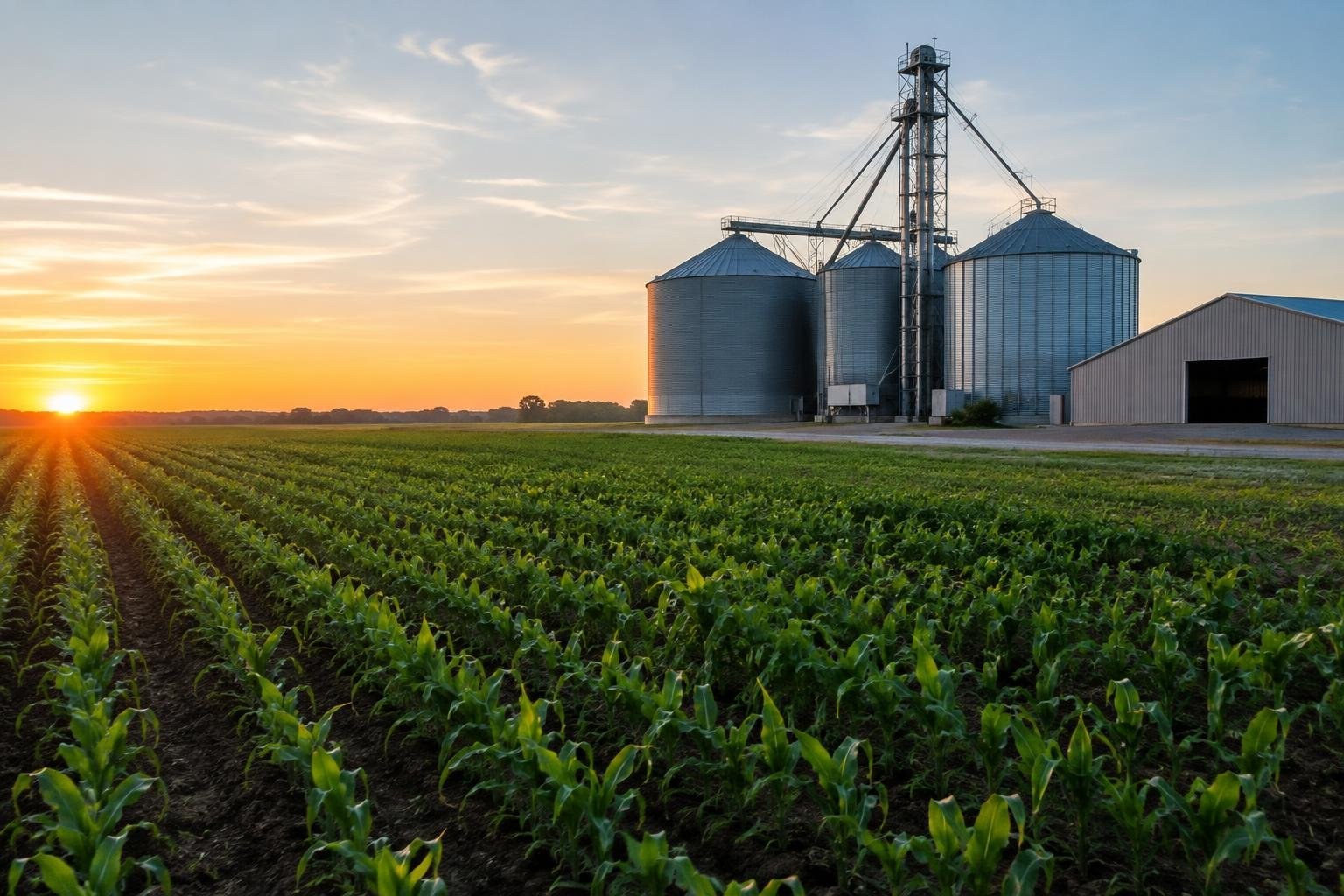
What Is an Agricultural Economics Degree?
Agricultural economics is the study of how people, businesses, and governments make economic decisions connected to agriculture, food systems, and natural resources. It examines how markets work, how agricultural businesses allocate resources, and how policies and economic conditions affect producers and consumers.
The federal Classification of Instructional Programs describes the broader agriculture field as including the planning, economics, and use of facilities, natural resources, equipment, labor, and capital to produce plant and animal products. Agricultural economics is one specialized route within this broad area. Program names may include agricultural economics, agricultural and resource economics, or economics with an agricultural focus. Michigan Technological University’s CIP overview provides a description of the broader classification.
It is distinct from, but related to, animal science, agronomy, and agricultural business management. Animal science centers on animals and production; agronomy focuses on crops and soils; agricultural economics applies economic reasoning to choices and outcomes across the sector. Some programs combine these perspectives.
What Do You Study in an Agricultural Economics Major?
Programs differ, but students generally learn to connect economic concepts with real agricultural and resource questions. Introductory courses may cover microeconomics, macroeconomics, accounting, and agricultural systems. Later coursework may examine agricultural markets, farm management, finance, trade, policy, natural-resource economics, and business decision-making.
Statistics and data skills are important in many programs. Students may learn to interpret market information, compare costs and returns, assess uncertainty, and communicate evidence. Some degree plans include econometrics or additional quantitative methods. Confirm course prerequisites, since math requirements are not identical across colleges.
Electives and applied learning can include food systems, international development, sustainability, environmental policy, or agricultural marketing. Some universities offer internships, research, field experiences, or a capstone project. For example, the University of Kentucky describes animal-science-related preparation for careers in veterinary medicine, animal care and management, research, and agricultural industries; that is a related field, not a substitute for checking the agricultural economics curriculum itself. Review a sample four-year plan and ask whether experiential learning is required or optional.
Skills You Can Develop
- Quantitative analysis: Agricultural economics coursework may include statistics, quantitative reasoning, and economic analysis. Some degree plans also emphasize calculus and statistical methods.
- Problem-solving: Applied coursework and real-world projects can give students practice examining agricultural and resource questions.
- Business and economic reasoning: Courses may connect economic principles with farm, agribusiness, and agricultural industry problems.
- Communication: Students can look for projects that require them to explain analysis and findings clearly.
Course content varies by college. Review required classes and project work to see which analytical and communication skills a program teaches directly.
Who Is This Degree Best For?
This major may appeal to students curious about how food and agricultural businesses work, why prices change, how public policy affects producers, and how societies use land and other resources. It can suit people who enjoy both broad questions and practical decisions, such as whether a business investment makes sense or how a market change affects a community.
You do not need to arrive with a fixed career goal or a particular personality. You should, however, be willing to work with economic ideas, evidence, and quantitative coursework. Students who prefer hands-on animal care, crop production, or equipment operation may want to compare animal science, agronomy, or agricultural technology programs.
Does Agricultural Economics Match You?
Salary, reputation, and job-growth claims do not tell you whether you will enjoy the work itself. Consider whether you like analyzing decisions, communicating recommendations, and learning how agricultural markets and policies operate. The Free MAPP Career Assessment, Degree Matching, and Career Matching can help you explore alignment between your preferences, possible roles, and education paths. Use those tools as one input alongside course plans, conversations with students, and career research.
Admissions, Length, and Academic Difficulty
Admission requirements and degree plans are set by each institution. For example, the University of Kentucky’s agricultural economics program page lists an official high school transcript among its application materials and describes a bachelor’s program combining economic theory with applications in agriculture, natural resources, and rural development. Check each college’s current admissions page for its own requirements.
Degree options in agriculture include undergraduate and graduate study, but the specific programs and credentials vary by school. For an accurate completion estimate, ask the department for a plan based on your prior credits, intended enrollment pace, and required course sequence.
Academic preparation can also vary by program. Oklahoma State describes its agricultural economics degree plan as emphasizing quantitative study, including calculus and statistical methods. Review a sample curriculum and prerequisites, and ask what academic support is available if you want to prepare for those courses.
Online vs. On-Campus Programs
Agricultural economics may be offered in campus, hybrid, or online formats, but availability varies by institution and degree level. Online courses can make scheduling easier for some students, while campus programs may provide more direct access to faculty, research, student organizations, and local agricultural networks.
Before choosing distance learning, find out how students complete internships, field experiences, research, and group projects. Ask whether any courses require campus attendance and whether online learners receive equivalent advising and career support. A program is not a good fit simply because its format is convenient if it does not offer the concentration, course sequence, or experience you need.
Cost, Financial Aid, and Ways to Save Safely
Compare program costs using a written estimate from each college. Ask for the tuition and fees that apply to your situation, along with any other expenses included in the school’s estimate. Compare the full amount for the credential you plan to pursue, not just a per-course figure.
Program offerings differ by school and degree level, so confirm that the estimate covers the specific agricultural economics program and course plan you intend to follow. Ask how accepted transfer credits would apply to degree requirements, and review available aid and scholarships directly with the college before making a decision.
Careers, Salary Research, and Job Outlook
Agricultural economics can prepare students for different kinds of work, but the degree title does not guarantee a specific job or salary. The following examples are pathways to investigate. Actual requirements vary by employer, location, specialization, and experience.
Career directionTypical preparation to investigatePay and outlook researchHow the degree may applyAgribusiness analystBachelor’s degree may be relevant; analytical experience helpsCheck current BLS data for the exact occupation and locationMarket, cost, and business analysisAgricultural market or commodity analystBachelor’s degree; quantitative skills may be requestedOccupation titles differ; compare relevant BLS categoriesInterprets prices, supply, demand, and market conditionsAgricultural loan or credit officerBusiness or economics education; employer training may applyVerify current data for loan officers and local employersEconomic and financial reasoning can inform lending decisionsFarm or ranch managerRelevant education plus practical production or management experienceConsult current BLS farm-related occupation dataSupports budgeting, resource planning, and business decisionsExtension educator or agentRequirements vary; subject expertise and communication experience matterCheck employer postings and applicable occupational dataMay translate research and economic information for communitiesPolicy or program analystBachelor’s for some roles; advanced degree may help for specialized analysisResearch the specific government or nonprofit job classificationEvaluates economic and policy impactsResearch assistantBachelor’s may qualify for support roles; research methods are valuableCompare university, agency, and employer listingsAssists with data, literature, and agricultural researchEconomist or academic researcherMany research and university roles require graduate studyUse current BLS economist information and employer requirementsAdvanced training can support economic research and teaching
Potential employers include agricultural businesses, lenders, public agencies, universities, extension services, and organizations involved in food, commodities, or resource policy. Research agencies also study ways to improve domestic animal production and address livestock-related issues, as Michigan State University’s animal science career resource notes for related research fields. Technology and automation can change how data is collected and analyzed; graduates benefit from sound judgment, communication, and the ability to interpret results rather than treating software outputs as decisions.
For salary and outlook, look up the exact occupation in the U.S. Bureau of Labor Statistics Occupational Outlook Handbook and confirm the data year and geography. A degree’s graduates do not map to one occupational category, so a single major-wide salary figure can mislead.
Internships, Experience, Credentials, and Employer Preparation
Students can build experience through internships with agricultural businesses, banks, public agencies, extension programs, commodity organizations, or research groups. Class projects, faculty research, student organizations, volunteer work, and part-time employment can also help students test career interests and practice communicating findings.
How to Stand Out to Employers
- Build a portfolio of clear analyses, presentations, or research projects, while protecting confidential information.
- Practice spreadsheets and the statistical or data tools used in your target roles.
- Seek experience that connects economic analysis with agriculture, food, business, or policy.
- Learn to explain findings to people who may not use economic terminology.
- Ask faculty, alumni, and career advisers about internships and professional networks.
Certifications are not universal requirements for this degree. Teaching, finance, or other regulated work may have additional qualifications depending on the role and state. A degree by itself does not grant a professional license. Confirm any credential requirement with the employer or licensing body before paying for a course or certificate.
Graduate School and Further Study
Graduate study can be useful when a student wants deeper economic analysis, research, specialized policy work, or university teaching. Options may include a master’s in agricultural or resource economics, applied economics, public policy, or business. A doctorate is typically a longer research-intensive route and may be expected for some academic and advanced research positions.
Graduate school is not automatically the next step after a bachelor’s degree. Compare the job descriptions you want, their education requirements, the cost of further study, and whether relevant work experience could help first. Some students instead pursue an MBA or a specialized certificate after gaining professional experience.
Related Degrees and Comparisons
- Agribusiness or agricultural business management: consider this if you want more emphasis on managing companies, sales, operations, or business practice.
- General economics: consider this if you want economic theory and careers across industries, not primarily agriculture.
- Animal science: consider this if your central interests are animals, production, care, or animal-related research.
- Agronomy and crop science: consider this if you want to study crop production, soils, and plant systems.
- Environmental or natural-resource economics: consider this if resource allocation and environmental policy are your main focus.
- Agricultural communications: consider this if you prefer outreach, journalism, public information, or communication with agricultural audiences.
- Agricultural technology: consider this if you want more hands-on technical work with equipment or production systems.
- Finance or business administration: consider this if you want business skills that are less specialized to agriculture.
Agricultural Economics vs. Agribusiness
Agricultural economics typically foregrounds economic analysis, markets, policy, and resource decisions. Agribusiness may put more emphasis on company management, marketing, sales, finance, and operations. There is overlap, and universities use labels differently. Compare course requirements, quantitative depth, internships, and graduate-school preparation before choosing.
Advantages, Drawbacks, and Is It Worth It?
Potential advantages: the degree links economics to agriculture and food systems, can support varied business and public-service directions, and may provide a foundation for further study. Students can tailor electives toward markets, policy, resources, or management when the program offers those options.
Potential drawbacks: quantitative coursework may be demanding; the degree does not qualify graduates for every role without additional experience or education; and career outcomes depend on local employers and specialization. A broad program may need deliberate elective and internship choices to build a clear professional direction.
Whether it is worth the investment depends on total net cost, completion time, expected opportunities, geography, and the student’s goals. Compare specific roles and their qualifications, not only broad claims about agriculture or the economy. Discuss affordability and likely borrowing with a financial-aid adviser before enrolling.
Program Selection, Practical Checklist, and Next Steps
Choosing a college program is similar to evaluating any important service: understand what is included, compare options, verify the provider, and get important terms in writing. Here, the “provider” is the college and its program.
What the Program Includes and How the Process Works
Request the current catalog, degree map, course descriptions, internship details, advising process, and transfer-credit rules. Check which courses are required, when they are offered, and whether you must apply separately to a major or concentration.
Signs This Program May Fit Your Goals
Look for a match between your interests and required work: economics, data, agricultural markets, policy, business decisions, or natural resources. If you mainly want animal handling, plant science, or equipment repair, compare programs that focus more directly on those activities.
Cost and Factors That Affect the Project
Estimate the full cost through graduation. Residency, institution type, course load, transfer credits, aid, housing, and time to completion can all change the financial picture. Ask how course sequencing, prerequisites, or unavailable classes could affect your schedule.
Compare Program Options and Tradeoffs
Compare agricultural economics with agribusiness, economics, and relevant science or technology degrees. Look at curriculum, quantitative depth, work experience, delivery format, and career preparation rather than assuming similar program names mean similar training.
What to Expect and How Long It May Take
Ask for a degree plan based on your prior credits and intended enrollment pace. Confirm when required classes are offered and how internships or research fit into the schedule. Do not rely on a general sample timeline if your situation differs.
How to Choose a Qualified College Program
Check institutional accreditation through the U.S. Department of Education’s recognized accreditation resources and verify the college’s current standing directly. Review faculty expertise, course content, student support, career services, employer connections, and program outcomes. Ask what outcome data mean and how many students they cover.
Credentials, Safety, and Rules to Verify
Agricultural economics is an academic field, not a license to practice every occupation connected with agriculture. Ask whether a career you are considering requires a state credential, teaching license, financial qualification, or additional degree. Confirm those rules with the responsible licensing authority or employer; requirements vary by job and state.
Ways to Reduce Cost Without Cutting Corners
Apply for aid and scholarships, compare net prices, investigate employer tuition support, and ask whether prior learning or transfer credits can count. Choose a school only after confirming the credits apply to the intended degree. Avoid paying for an outside credential until you verify that employers or licensing bodies recognize it.
Red Flags and an Enrollment Checklist
- Get total cost and financial-aid details in writing.
- Confirm accreditation and check transferability.
- Review required courses, math prerequisites, and course availability.
- Ask about internships, research, career services, and employer recruiting.
- Verify career and licensing requirements independently.
- Be cautious of guaranteed-job or guaranteed-salary claims that are not clearly documented.
- Understand online, campus, and in-person requirements before paying a deposit.
How to Choose the Right Program
Use the checklist above to compare accreditation, curriculum, specializations, faculty, internship access, total cost, delivery format, transferability, outcomes, and career support. Ask how the program prepares students for analytical work and whether it supports students aiming for graduate school. Assessment.com’s Degree Matching and Career Matching tools can help generate options to research; use them alongside official college information.
Explore colleges and programs that fit your goals.
From Degree to Career: Possible Pathways
- Agricultural economics degree → entry-level agribusiness or market research support role → build industry and data experience → specialize in commodities, finance, or policy → pursue advanced analysis or management opportunities.
- Agricultural economics degree → research assistant or extension support role → develop research and communication skills → specialize in agricultural policy or resource questions → consider graduate study for advanced research or academic work.
- Agricultural economics degree → agricultural lending or business role → gain customer and financial experience → focus on a producer or market segment → pursue additional credentials only if the role requires them.
These are examples, not promised outcomes. Progress depends on performance, experience, employer needs, location, and further education.
Final Decision: Is Agricultural Economics Right for You?
Agricultural economics may be a strong option for students who want to understand agriculture through economics, business, markets, policy, and resource decisions. It may be less suitable for someone seeking a primarily hands-on animal, crop, or equipment program. Before choosing, review the math requirements, compare the actual curriculum, estimate net cost, and speak with faculty or current students.
Before Choosing a Degree, Find Out What Fits You
Choosing a college program can affect years of education and decades of work. Salary, job growth, and school reputation matter, but so does whether the work fits your motivations, interests, and natural preferences.
Take the Free MAPP Career Assessment to explore careers that may match you, how related careers align with your profile, degrees and educational pathways tied to those careers, and potential jobs connected with those paths. Explore Degree Matching, Career Matching, and Matching Jobs as starting points for further research.
Take the Free MAPP Assessment
Sources and Further Reading
- Michigan Technological University, CIP 01 Agriculture/Animal/Plant/Veterinary Science and Related Fields.
- University of Arkansas at Pine Bluff, Department of Agriculture.
- University of Kentucky, Animal Sciences bachelor’s program.
- Michigan State University, Animal Science career opportunities.
- SUNY, Agriculture degrees and majors.
- Utah State University, Agriculture and food programs.
- Texas A&M University-Commerce, agriculture course catalog.
- U.S. Bureau of Labor Statistics, Occupational Outlook Handbook, for current occupation-specific pay and outlook data.
Frequently asked questions
Is agricultural economics a hard major?
Agricultural economics can be challenging for students who are uncomfortable with quantitative work. Many programs include economics, statistics, data analysis, and possibly calculus or econometrics. Students also study agricultural markets, business, policy, and resource use. Review the specific course sequence and math prerequisites at each college, and ask about tutoring or introductory preparation if those subjects are new to you.
Is an agricultural economics degree worth it?
It may be worthwhile for students interested in the intersection of agriculture, business, economics, policy, and natural resources. Its value depends on tuition, financial aid, location, experience, and the career the student wants. Compare the program’s actual curriculum and outcomes with alternatives such as agribusiness, general economics, or agricultural business management before deciding.
What jobs can I get with an agricultural economics degree?
Potential paths include agricultural business analysis, commodity or market research, farm and ranch management, agricultural lending, extension work, policy analysis, and research support. Some roles require experience, graduate education, teaching credentials, or other qualifications. The degree does not guarantee a particular job; internships, quantitative skills, location, and specialization can influence opportunities.
How much can I make with an agricultural economics degree?
There is no single salary for agricultural economics graduates because they work in different occupations and industries. Pay depends on the job, education, experience, employer, and location. Compare current U.S. Bureau of Labor Statistics data for the specific occupation you want, rather than relying on one average for the major.
Can I earn an agricultural economics degree online?
Some agricultural economics courses and degrees are available online, but the options vary by school and degree level. Confirm that the online program offers the courses, advising, research, internship access, and transfer policies you need. Online study may still require in-person fieldwork or other experiences depending on the program.
Does agricultural economics require a lot of math?
Usually, students should expect some quantitative coursework, such as economics, statistics, and data analysis. The amount of calculus, econometrics, or other advanced math varies by program and specialization. Ask for the degree plan and course prerequisites so you can assess the math before enrolling.
Do I need a graduate degree after agricultural economics?
Graduate school is not required for every career connected to the major. A bachelor’s degree may support entry-level business, analysis, management, or public-service roles, depending on the employer. Advanced research, university teaching, or some economist positions may require a master’s or doctorate. Check the education requirements for the exact role you are considering.
What is the difference between agricultural economics and agribusiness?
Agricultural economics emphasizes economic analysis, markets, policy, and resource decisions in agriculture and related industries. Agribusiness programs often place more emphasis on managing agricultural companies, sales, finance, and operations. Program names and curricula overlap, so compare required courses and career preparation instead of relying on the title alone.
What certifications help agricultural economics graduates?
Certifications are not universally required for agricultural economics graduates. Depending on a career, useful qualifications may include job-specific finance, data, business, or teaching credentials. Requirements vary by employer and state. Verify any credential with the organization that issues it and confirm whether it is necessary for the work you want.
How long does an agricultural economics degree take?
A bachelor’s degree commonly takes about four years of full-time study, but the actual timeline depends on credits, transfer work, course availability, and enrollment pace. Certificates and associate degrees are generally shorter, while graduate programs add time. Ask each college for a personalized degree plan and expected completion timeline.
People Also Ask
What does agricultural economics study?
Agricultural economics applies economic principles to agriculture, food markets, agribusiness, public policy, and natural resources. Programs may also cover farm and business decision-making.
What can you do with an agricultural economics degree?
Possible work includes agricultural business analysis, market research, farm management, agricultural lending, extension, policy, and research support. Specific jobs may require experience or further education.
How long does an agricultural economics degree take?
Program length depends on credential, transfer credits, course availability, and enrollment pace. Ask colleges for an individual completion plan instead of assuming every student follows the same timeline.
Can agricultural economics be studied online?
Online availability varies by college and degree. Check course delivery, internship access, advising, transfer rules, and any in-person program requirements before enrolling.
Is agricultural economics a math-heavy degree?
Agricultural economics programs commonly include economics, statistics, and data analysis. The degree of advanced math varies, so compare prerequisites and required courses.
Does agricultural economics require graduate school?
A bachelor’s degree can support several business and analysis pathways. Graduate education may be needed for advanced research, some economist roles, and many university teaching positions.
Where do agricultural economics graduates work?
The degree can be relevant to agribusiness, lenders, agricultural producers, government, extension services, research organizations, and food or commodity businesses. Employers and roles vary by region.
How should I compare agricultural economics programs?
Compare required economics and quantitative courses, business content, internships, research options, cost, transferability, and graduate-school preparation. Program labels alone do not show how similar two degrees are.
Agricultural economics can suit students who want to understand how markets, policy, business decisions, and natural resources shape agriculture and food systems. It can lead toward business, analysis, public service, research, and further study, but the best path depends on the program’s quantitative content, the student’s interests, and the experience they build. Compare total cost, curriculum, career preparation, and personal fit before committing.
Sources
- Department of Agriculture - University of Arkansas at Pine Bluff
- Bachelor's Degree in Animal Sciences | University of Kentucky'
- Career Opportunities - Department of Animal Science
- Agriculture Degrees and Majors - SUNY
- Agriculture Degrees Guide: Programs, Careers & Online Options
- College of Agricultural Sciences and Natural Resources | Texas A&M University-Commerce Catalogs
- Utah State University Degrees and Programs by interests
- CIP 01 Agriculture/Animal/Plant/Veterinary Science and Related Fields | ASPIRE
- Agricultural Economics | Education Profile | AgCareers.com
- Agricultural economics | Applied economics emphasis (B.S.Ag.Econ.) | University of Idaho
- Agricultural Economics | Oklahoma State University
- Agricultural economics degree overview
- Bachelor's Degree in Agricultural Economics | University of Kentucky'
- Agricultural Economics bachelor's degree guide
- 2026 Agricultural Economics Degree Guide
- Agricultural Economics bachelor's degree guide | K-State | Kansas State University