Degree Library
Agricultural/Farm Supplies Retailing and Wholesaling Degree Guide: Courses, Careers, Costs & Fit
Agricultural/Farm Supplies Retailing and Wholesaling is a field of study focused on the business side of agriculture: how agricultural products reach farms…
Agricultural/Farm Supplies Retailing and Wholesaling is a field of study focused on the business side of agriculture: how agricultural products reach farms and other customers, and how businesses market, sell, purchase, or distribute those products. Programs may combine agriculture-related knowledge with subjects such as sales, marketing, management, or business operations. The exact balance depends on the college and credential. The program name is specialized, and schools may use different titles or offer the subject as a concentration within a broader agriculture or business degree. Potential directions include agricultural product sales, purchasing, customer service, and business operations. This is not the same as a veterinary, crop-science, or farm-production degree, though it may involve learning about the products and industries those fields use. Not sure whether this path fits you? Take the Free MAPP Career Assessment to explore how your motivations, interests, and natural preferences may align with related careers. Compare your results with real program requirements and job descriptions before choosing a major.
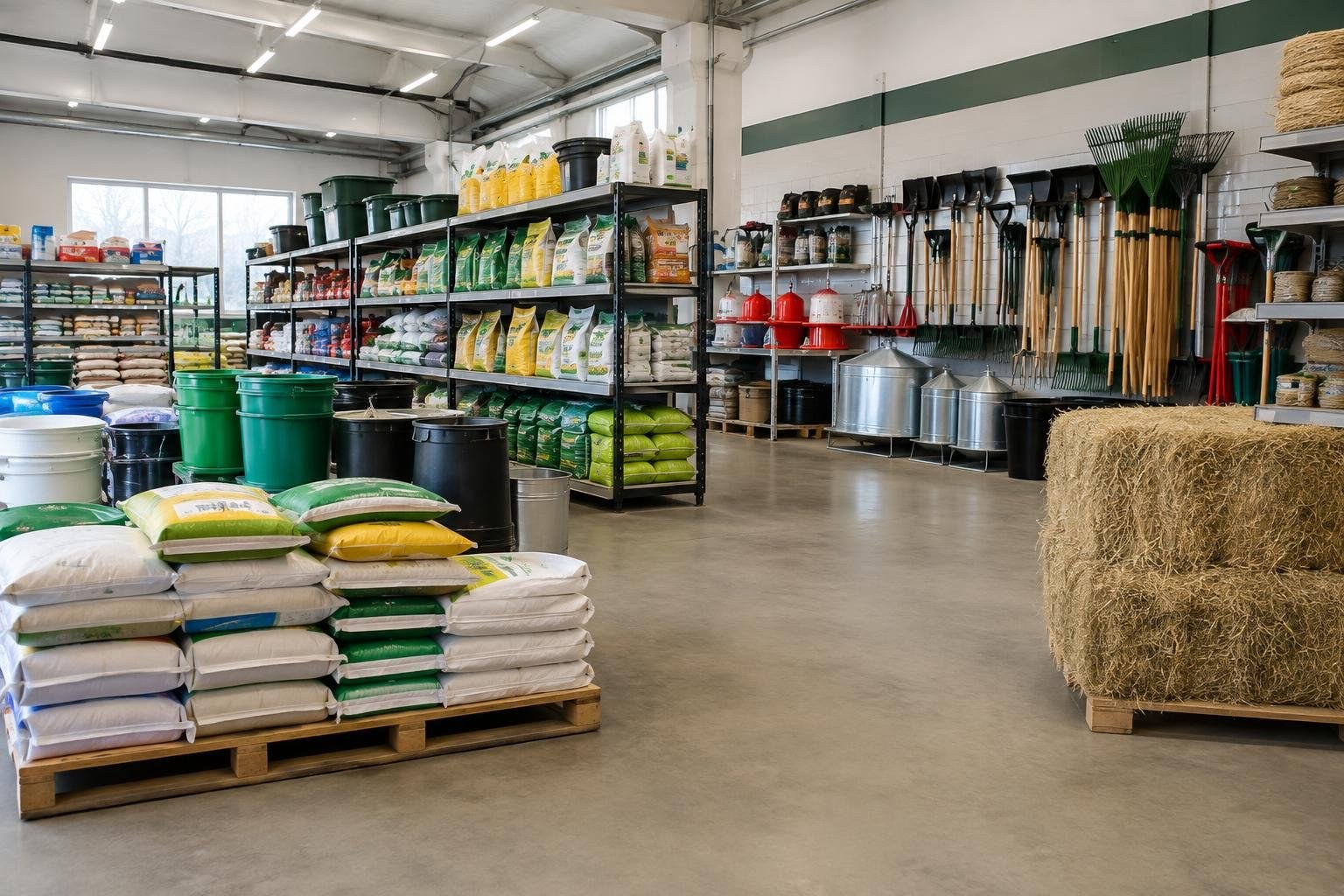
What Is an Agricultural/Farm Supplies Retailing and Wholesaling Degree?
Short answer: Agricultural/Farm Supplies Retailing and Wholesaling is a field of study concerned with the business activities involved in supplying agricultural products to farms and other customers. It sits at the intersection of agriculture and commerce. Students may encounter sales, marketing, management, purchasing, or operations alongside agriculture-related subject matter, depending on the college.
The supplied Classification of Instructional Programs (CIP) category identifies this specific study area as CIP 01.0105. CIP is a federal classification system for instructional programs; it is not a guarantee that every college offers a major with this exact title. A school may use a different program name, place the subject within a broader agriculture or business degree, or offer a focused credential.
Do not confuse the subject with agricultural production, which centers on growing crops or raising animals, or agricultural science, which emphasizes scientific questions and methods. A supplies-retailing or wholesaling program is more directly concerned with the commercial link between agricultural products and customers. Review each college’s course catalog to see what its version actually covers.
What Do You Study? Courses and Applied Learning
There is no single national course plan for this specialized subject. A business-oriented program may include foundational classes in communication, mathematics, economics, accounting, or general business before moving into agriculture-related markets and operations. Some programs may add product knowledge, customer relations, sales, marketing, or management courses. These are examples of subjects to look for, not a promise that every college teaches them.
In a broader agriculture program, students might choose electives or a concentration to tailor study toward a career goal. For example, SUNY describes a two-year agriculture associate program in which students use elective courses and concentrations to shape their studies. That illustrates why students should inspect both required courses and electives rather than infer content from a degree title.
Ask whether the program includes applied projects, employer-based learning, internships, or other ways to connect classroom topics with work. Find out whether such experiences are required, optional, or unavailable, and whether students arrange them independently. If you are interested in technical products or agricultural science, check how much the curriculum covers those topics and whether further coursework would be necessary.
Skills, Interests, and Personal Fit
Students may build skills in explaining products, listening to customer needs, communicating clearly, comparing options, and working with business information. Depending on the curriculum, coursework may also strengthen organization, problem-solving, teamwork, and familiarity with agricultural industries. These abilities can be relevant to customer-facing or operational work, but they do not guarantee employment or replace role-specific training.
Think about whether you enjoy both the commercial and agricultural sides of the subject. Sales and service work can involve conversations, follow-up, and learning what customers need. Operations and purchasing-related work may involve coordinating information and processes. A science-focused career may require substantially different coursework and qualifications.
Does Agricultural Supplies Retailing and Wholesaling Match You?
This program may appeal to students who are curious about agriculture but also interested in business, communication, and how products move through markets. It is not necessary to have grown up on a farm. However, you should be willing to learn unfamiliar agricultural terms and investigate the day-to-day work of the occupations that interest you.
Salary, prestige, and job-growth headlines are not enough to determine fit. Work tasks, preferred environment, customer contact, educational commitment, and local opportunities matter too. Use the Free MAPP Assessment to reflect on your motivations, then explore Degree Matching and Career Matching to compare related paths. Treat matching tools as a starting point, not a substitute for reviewing programs and job requirements.
Admissions, Program Length, and Academic Demands
Admissions rules are set by each institution and credential. Certificate, associate, and bachelor’s programs may have different application steps, prerequisite courses, transfer policies, or academic standards. Do not assume a particular GPA, test score, essay, or work background is required based on the program title alone. Check the school’s current admissions page and ask an adviser how transfer credits will be evaluated.
Time to completion depends on the credential, enrollment pace, course availability, prior learning accepted, and whether you attend full time. A certificate may have a shorter sequence than a degree; a part-time schedule can take longer. Request a written course sequence for your intended start term and ask what happens if a required course is not offered every term.
Academic challenges depend on the course mix. Business, quantitative, science, or communication requirements may feel demanding in different ways. Before enrolling, review sample course descriptions and prerequisites. If you have been away from school, ask about tutoring, math refreshers, advising, and transfer-student support.
Online, Hybrid, or On Campus?
Do not assume that a program is fully online, hybrid, or campus-based from its title. Ask each college which required courses and applied experiences are available remotely, whether campus visits are needed, and how the format affects your course plan. SUNY’s agriculture associate-program example uses electives and concentrations to let students shape their studies, illustrating why you should verify the details of the specific program you are considering.
Before deciding, request a term-by-term course sequence and confirm how you will access advising and any required practical learning. Compare the available format with your schedule and learning preferences.
Cost, Financial Aid, and Budgeting
Build a program-specific budget before enrolling. Ask the college for the estimated total cost for your intended credential and course plan, including tuition, fees, books, supplies, and any expenses tied to required activities. Request an explanation of available aid and distinguish grants and scholarships from loans.
Compare written estimates from the schools you are considering. If you plan to transfer credits, confirm how they apply to the program before relying on a lower-cost route. SUNY’s agriculture associate-program example shows that electives and concentrations can shape a student’s course plan, so request an estimate based on your actual requirements rather than a general program label.
Budget checklist: tuition; fees; books and supplies; travel or housing; technology; and any costs associated with required practical learning. Update the estimate if your course plan changes.
Careers, Employers, Pay, and Outlook
Potential paths can include agricultural product sales, purchasing, customer support, or business operations. The exact fit depends on the program and the employer. The American Society of Animal Science describes animal-science career areas that include production, marketing, processing, distribution, and allied services; Michigan State University notes examples in animal agriculture such as livestock buying, quality control, plant management, and sales. These illustrate adjacent agricultural-industry work, not guaranteed outcomes for graduates of this specific program.
The table offers directions to investigate. It does not establish that a particular credential is sufficient for every position. Compare local job postings for education, experience, product knowledge, travel, and other qualifications. For pay and outlook, consult current BLS or O*NET information for the exact occupation and geography.
| Career direction | Education to investigate | Pay and outlook | How the study area may apply |
|---|---|---|---|
| Agricultural product sales representative | Review employer requirements; relevant business or agriculture study may help. | Check current BLS/O*NET data and local postings. | May connect product knowledge, communication, and customer needs. |
| Agricultural purchasing or buying | Requirements vary by employer and purchasing scope. | Verify the exact occupational category and current local data. | Business and agricultural-market coursework may be relevant. |
| Customer support or account service | Check job descriptions; employers may value communication and product familiarity. | Pay varies by employer, location, and responsibilities. | Can use customer-service and product-learning skills. |
| Agricultural business operations | Compare the role’s experience and education requirements. | Verify current data for the actual job title. | Business or operations coursework may provide relevant context. |
| Quality-control or processing support | Technical requirements depend on product and workplace. | Use current occupational data rather than a degree-wide estimate. | May be relevant when coursework includes product or industry knowledge. |
| Agricultural and food scientist | BLS says these scientists typically need at least a bachelor’s in a related field; some employers prefer or require a master’s or doctorate. | Consult the current BLS Occupational Outlook Handbook profile. | This pathway may require stronger science preparation or further study. |
Agricultural industries include production, supply, processing, distribution, and related services. The American Society of Animal Science and Michigan State University describe career directions across parts of the animal-agriculture sector, including marketing and sales. Treat these as examples of an industry’s breadth, and verify that a program’s curriculum aligns with the particular employers you have in mind.
For a career that requires deeper research or scientific expertise, plan for possible additional education. The BLS states that agricultural and food scientists typically need at least a bachelor’s degree in a related field and that some employers may prefer or require graduate study. A retailing-and-wholesaling curriculum may not meet every science prerequisite.
Technology and automation may change how businesses manage information, communicate with customers, or coordinate operations. Rather than rely on predictions about a specific job, ask employers which tools and skills they use. Build adaptable communication, analytical, and digital skills alongside agricultural product knowledge.
Internships, Experience, Credentials, and Safety
Experience can help you test whether agricultural business work is a good fit. Look for internships, part-time work, campus projects, agricultural organizations, employer events, or opportunities to observe a workplace. Ask whether the college helps students find placements and whether participation is required. Experience can also help you learn product terminology and decide which business functions interest you.
How to Stand Out to Employers
- Use a class project or work sample to demonstrate clear communication and careful research.
- Describe customer-service, sales, teamwork, or operations experience in concrete terms.
- Learn about the products and customer groups relevant to a target employer.
- Ask employers which software, technical knowledge, and credentials matter for a specific role.
- Build professional relationships through events and informational conversations.
Do not assume that completing a degree automatically provides a professional license or product-specific credential. Requirements depend on the role, products, employer, and jurisdiction. Ask the school and employers what applies to the work you want to do, and confirm any legal requirements with the relevant government or licensing authority.
What to Expect: A Practical Planning Timeline
There is no one standard completion timeline for this program name. The actual process depends on the school, whether the student chooses a certificate or degree, course sequencing, transfer credits, and full-time or part-time enrollment. Before committing, obtain a term-by-term plan and ask how often required courses are offered.
- Explore: Identify a few target job titles and read current employer postings.
- Compare: Match those requirements against each program’s required courses and practical opportunities.
- Apply and plan: Confirm admissions steps, transfer-credit decisions, aid, and a realistic course schedule.
- Build experience: Use coursework and relevant work or internship opportunities to test your direction.
- Review next steps: Reassess target roles, additional qualifications, and job locations before graduation.
Results are not guaranteed. Employers decide whom to hire, and job availability, requirements, and compensation vary. This sequence is a planning framework, not a promise of a particular career progression.
How to Choose a Qualified Program and Verify Requirements
Program quality is not established by a familiar title alone. Check institutional accreditation and, where relevant, program-specific accreditation or recognition with the accrediting organization and the U.S. Department of Education’s official resources. Do not infer that a program is accredited simply because the college is accredited, or that every career requires a specific accreditation.
Compare the catalog, faculty backgrounds, facilities, advising, internship support, graduate outcomes, employer connections, transfer policies, and career services. Ask how outcome data are calculated, which graduating classes are included, and whether the results apply to this program or the college as a whole. Request the total price estimate and aid information in writing.
There is no universal licensing rule for every agricultural supplies role. If a job involves regulated products or duties, ask the employer and the relevant state or local agency what training, permits, or licenses may apply. Do not rely on a general program page to answer a jurisdiction-specific compliance question. Ask what safety training is available if a role involves product handling, travel, or workplace equipment.
Ways to manage cost safely: compare net prices, submit aid forms on time, apply for scholarships, ask about employer tuition support, and verify transfer credits before paying for duplicate courses. Avoid choosing a low-priced program before confirming that its credits and credential support your educational and career plans.
Related Degrees and Comparisons
Related programs can lead toward overlapping industries while teaching different things. Compare required courses, not just program names.
- Agribusiness or agricultural business: Consider this broader route if you want business preparation across multiple parts of agriculture, not only supply sales and distribution.
- Agricultural economics: Consider it if you are especially interested in markets, economic analysis, or policy.
- Agricultural science: Consider it if you want more emphasis on scientific questions and research.
- Animal science: Consider it if animals, production, breeding, health, or related industries are your central interest. The University of Kentucky describes its animal-science program as preparing students for animal care and management, research, agricultural industries, and advanced study.
- Crop science or agronomy: Consider it if you want deeper study of crops and production systems.
- Supply chain management: Consider it if your main interest is logistics and product movement across industries.
- General business or marketing: Consider it if you want broadly transferable business study and are willing to build agricultural expertise through electives or work.
- Agricultural production or farm management: Consider it if your priority is production decisions or managing farm operations rather than the commercial supply channel.
For agricultural supplies retailing versus agricultural science, the central difference is emphasis: business and customer markets versus scientific or technical study. For supplies retailing versus general agribusiness, the distinction may be specialization. Since schools use titles differently, inspect course requirements and ask what graduates actually do.
Advantages, Drawbacks, Value, and an Enrollment Checklist
Potential advantages: the study area connects agricultural products and operations with business activities such as selling, supporting agricultural enterprises, and purchasing or marketing products. This may suit students interested in both agriculture and commerce.
Possible drawbacks: the program title alone does not tell you which courses a college offers or whether its credential fits a particular job. The instructional description includes business management, marketing, retailing and wholesaling operations, and applicable agricultural principles, but you should confirm the actual curriculum and compare it with requirements in job postings.
Whether the program is a good value depends on your goals and the specific credential, course plan, and total cost. Compare those details with related programs before committing.
Questions to Ask Before Enrolling
- What is the exact credential and which institution awards it?
- What is the estimated total cost for my course plan?
- Which required courses cover business, retailing, wholesaling, and agriculture?
- Are practical experiences available or required?
- How will transfer credits apply?
- Which courses and credentials do employers request for jobs I have researched?
Warning signs: unclear course requirements, vague cost estimates, or claims about job outcomes that are not tied to the specific program and student group. Ask for important details in writing.
From Degree to Career: Illustrative Pathways
Possible sequences might look like relevant program → entry-level agricultural sales or customer-support role → product and customer experience → account or operations specialization, or agricultural business study → purchasing or business-support role → industry experience → broader management responsibilities. These are examples, not guaranteed progressions. Employers, performance, location, and additional qualifications shape advancement.
For a science-oriented route, a student might pursue a related bachelor’s degree, build laboratory or research experience, and then investigate agricultural and food scientist roles. The BLS notes that some employers prefer or require graduate education for agricultural and food scientists. Students should confirm that their undergraduate coursework satisfies prerequisites before planning that path.
How to Choose the Right Program for Your Goals
Start by identifying the work you want to explore, then compare program requirements with the skills and preparation described for those roles. The instructional description for this study area includes business management, marketing, retailing and wholesaling operations, and applicable agricultural principles. Use that as a starting point, not a substitute for the college’s current course catalog.
When comparing colleges, make a simple table of credential, required courses, delivery format, total estimated cost, transfer policies, and practical learning opportunities. The CIP listing identifies the subject within the broader agricultural, animal, plant, and veterinary science fields; SUNY’s agriculture associate-program example also illustrates how electives and concentrations can shape a course plan. Confirm each detail directly with the college.
Explore colleges and programs that fit your goals.
Final Decision: Is This Degree Right for You?
Is Agricultural/Farm Supplies Retailing and Wholesaling Right for You?
This field may be worth exploring if you want to understand agriculture through its business relationships, products, customers, and operations. It may be less suitable if your main goal is a scientific, clinical, or production-focused career and the program does not provide the necessary technical preparation. Compare alternatives before deciding.
Start with the work you might want to do, then trace backward to the education and experience employers request. Compare program content, total cost, time, format, and practical opportunities. Your best choice is the one that makes sense for your goals and circumstances, not simply the one with the most appealing title.
Before Choosing a Degree, Find Out What Fits You
Choosing a college program can affect years of education and decades of work. Salary, job growth, and school reputation matter, but so does whether the work fits your motivations, interests, and natural preferences.
Take the Free MAPP Career Assessment to discover careers that may match you, how related careers align with your profile, degrees and education pathways connected with those careers, and potential jobs associated with those paths. Use Degree Matching, Career Matching, and Matching Jobs as starting points for further research.
Take the Free MAPP Assessment →
Sources and Further Research
- University of North Texas, CIP classification listing.
- SUNY, agriculture degrees and majors.
- American Society of Animal Science, What Is Animal Science?.
- Michigan State University, animal-science career opportunities.
- U.S. Bureau of Labor Statistics, Agricultural and Food Scientists.
- University of Kentucky, Animal Sciences bachelor’s program.
Confirm current program, admission, aid, and occupational details with the relevant college, employer, government agency, or professional organization. Costs and requirements vary by institution, location, and individual circumstances.
Frequently asked questions
What is Agricultural/Farm Supplies Retailing and Wholesaling?
The subject combines agricultural knowledge with business functions involved in supplying farm and related businesses. Depending on the program, students may study sales, marketing, management, purchasing, or agricultural operations. Curricula and credential levels vary, so compare course lists rather than relying on the program title alone.
How long does an agricultural supplies degree take?
It depends on the school, credential, course load, and transfer credits. Certificate and associate programs may take less time than a bachelor's degree, while part-time study can extend the timeline. Ask each school for its published program sequence and a degree audit showing how your prior credits apply.
What jobs can I get with this degree?
Potentially. The degree area may be relevant to jobs involving agricultural product sales, buying, customer support, business operations, and agricultural science. The exact qualifications depend on the employer and role. Research local job postings and ask programs for verified graduate outcomes before assuming a particular job is available.
How much can you make in agricultural supplies sales or wholesaling?
No single salary applies to this program. Earnings depend on the occupation, region, experience, employer, and compensation structure. Compare current U.S. Bureau of Labor Statistics data for the specific occupation you are considering, and review job postings in your intended location for details such as commission, travel, or experience requirements.
Can I study Agricultural/Farm Supplies Retailing and Wholesaling online?
Online or hybrid study may be available, but the format depends on the institution and curriculum. Ask whether all required courses are offered online, whether any practical work or internship must be completed in person, and whether remote students can access advising and career services.
Does this degree require a lot of math or science?
Math may be part of business, science, or agricultural courses, but the required level varies by program. Ask for the course sequence and prerequisites. Depending on the curriculum, students may encounter quantitative work in areas such as accounting, economics, statistics, or product-related sciences.
Do I need graduate school to work in agricultural business?
Not necessarily for every related job. Some entry-level sales or business roles may emphasize product knowledge, communication, and customer service, while research or agricultural-science positions can have more advanced education requirements. The BLS says agricultural and food scientists typically need at least a bachelor's degree, and some employers prefer or require graduate education.
Are certifications or licenses required?
There is no one credential required for every job associated with this field. Requirements can depend on the employer, products sold, duties, and state or local rules. Ask the school and prospective employers which credentials, training, or licenses apply to the specific role and product area you are targeting.
How does this compare with an agricultural science or agribusiness degree?
Agricultural business programs generally emphasize business decisions and markets; crop science, animal science, or other agricultural science programs focus more directly on biological and production topics. Course content varies, so compare required classes and career pathways. A business-oriented option may fit students drawn to customers and operations, while a science-focused option may fit those seeking deeper technical study.
Is an agricultural supplies degree worth it?
It may be worth considering if the courses match your interests, the total cost is manageable, and the program provides preparation for roles you have researched. Evaluate actual job requirements and outcomes rather than assuming a degree guarantees a position or salary. Compare related programs and consider taking introductory courses or gaining work experience before committing.
People Also Ask
What does an agricultural supplies retailing and wholesaling program teach?
It focuses on business activities that connect agricultural products with farms and other customers. Program content and credential levels vary by school.
What can you do with an agricultural supplies degree?
Possible pathways include agricultural sales, buying, customer support, and operations. Job qualifications depend on the employer and position.
How much does an agricultural business program cost?
Compare the institution’s actual tuition, fees, books, materials, and travel or internship costs. Prices vary by school and student circumstances.
Can I earn this degree online?
Some colleges may provide online or hybrid courses. Confirm whether practical experiences or required classes involve in-person attendance.
Do agricultural business careers require a master's degree?
Some related business roles may not require graduate education, while agricultural science and research jobs can require more advanced study.
What is the difference between agricultural business and agricultural science?
Compare the specific curriculum. Agricultural supplies programs focus on business and product markets; agricultural science programs typically emphasize scientific or production subjects.
What is the salary for agricultural product sales representatives?
Check current job listings and the BLS profile for the specific occupation. Pay depends on the role, location, experience, and employer.
Agricultural/Farm Supplies Retailing and Wholesaling can suit students interested in combining agriculture with business, customer relationships, and the movement of products from suppliers to farms and other agricultural customers. Program names, credentials, courses, and career outcomes vary, so review the actual curriculum and local job requirements before enrolling. Compare total cost and practical experience opportunities, then consider whether the work itself fits your interests and strengths, not only whether the field sounds appealing.
Sources
- Bachelor's Degree in Animal Sciences | University of Kentucky'
- Career Opportunities - Department of Animal Science
- What is Animal Science
- Agricultural and Food Scientists : Occupational Outlook Handbook: : U.S. Bureau of Labor Statistics
- Agriculture Degrees and Majors - SUNY
- CIP - Classification of Instructional Program ACADEMIC CIP CODES
- Agribusiness bachelor's degree guide | K-State | Kansas State University
- Agriculture Degrees | TopUniversities
- Agriculture - Northwest Iowa Community College
- Agribusiness Management Bachelor's Degree Online - Penn State World Campus
- RUReadyND - Explore Programs and Majors
- Agricultural/Farm Supplies Retailing and Wholesaling
- Agricultural Supplies Retailing and Wholesaling
- College for North Carolina - Agricultural Farm Supplies Retailing And Wholesaling