Degree Library
Western European Studies Degree Guide: Programs, Costs, Careers and Fit
Lorem ipsum dolor sit amet, consectetur adipiscing elit. Suspendisse varius enim in eros elementum tristique. Duis cursus, mi quis viverra ornare, eros dolor interdum nulla, ut commodo diam libero vitae erat. Aenean faucibus nibh et justo cursus id rutrum lorem imperdiet. Nunc ut sem vitae risus tristique posuere.
By Kieth Nelson · Staff Writer Assessment.com · Published October 6, 2026 · Last updated October 9, 2026
Western European Studies is an area of study centered on the region, but the degree title does not guarantee a standard set of courses. Each college defines its own geographic scope, subjects, language expectations and credential options. A good first step is to compare actual program requirements rather than relying on the name alone. Students considering this field may be drawn to regional questions and interdisciplinary learning; parents and counselors can help them check how a specific program connects to further education and work. Not sure whether Western European Studies fits you? Take the Free MAPP Career Assessment to explore how your motivations, interests and preferences may align with degrees and careers. Take the Free MAPP Assessment →
A Western European Studies degree is a college program focused on studying Western Europe, but the countries, subjects, language requirements, credential and career preparation vary by institution. Compare course catalogs, total costs and graduate outcomes before enrolling; the degree title alone does not determine a career or salary.
Millions of people Take the MAPP Career assessment to see which Degrees are the best Match!
You can too,
Take the Free MAPP today!Try our College Search Tool
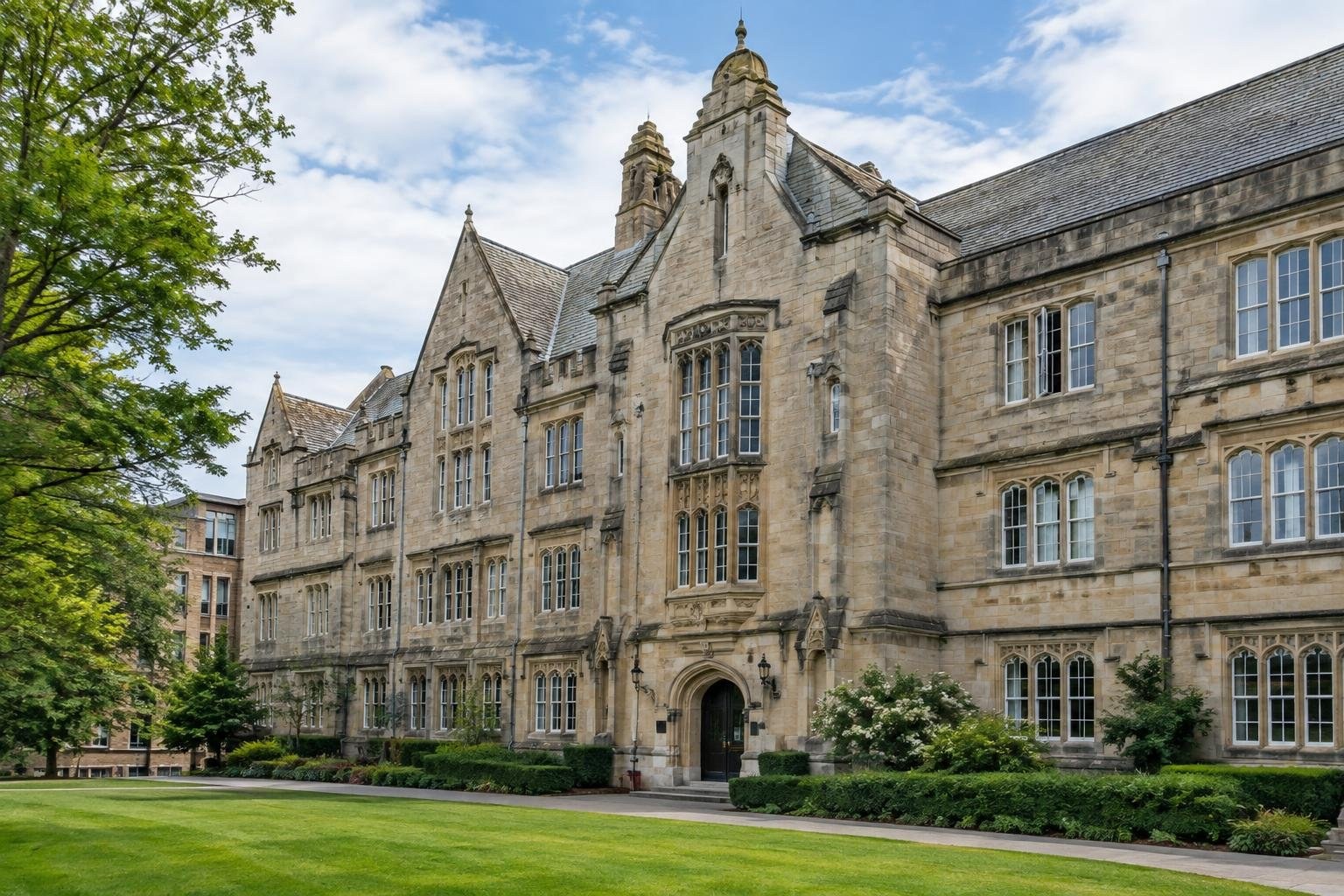
What Is a Western European Studies Degree?
Western European Studies names a regional area of study, not one nationally uniform curriculum. Before applying, find out how the college defines “Western Europe,” which subjects are included and whether the program is a major, concentration, certificate or graduate offering. Use the published degree requirements and course descriptions to understand the program rather than assuming the same name means the same preparation everywhere.
Regional and interdisciplinary programs can sit alongside fields such as cultural studies, ethnic studies and gender studies, but these are not interchangeable labels. For example, one graduate-program overview describes ethnic studies as examining race, migration, social policy and historical experiences of ethnic groups, with research methods that can include ethnographic, textual and performance-based work. That description provides a useful comparison point, not a substitute for a Western European Studies curriculum.
What Do You Study? Read the Curriculum, Not Just the Title
Start with the required courses. Make a list of the subjects, places, time periods, languages and research approaches named in the catalog. Then check how many choices are electives and whether students can shape a focus through a capstone, thesis or related coursework. Course titles alone may be too broad to show what students actually do, so request descriptions or sample syllabi for classes central to the major.
Interdisciplinary study can approach social questions through more than one lens. Old Dominion University describes Women’s and Gender Studies as examining intersections among gender, race, class, sexuality, ability, nation and other identities, with an emphasis on women’s lives and perspectives. West Chester University’s Diverse Communities courses focus on historically marginalized groups and use theory to examine structural inequalities. These examples show what named programs and courses may cover; they do not establish that a Western European Studies program includes those subjects.
Ask whether the program includes language learning, archival or field research, internships, study abroad, a senior project or other applied work. Treat each item as a question for the department, not a promise based on the degree name.
Who Might Enjoy the Program? Check Personal Fit and Entry Requirements
This field may be worth exploring if you like investigating regional questions, comparing viewpoints and following a topic across more than one discipline. To test the fit, read descriptions of required courses and ask yourself whether you would enjoy the assignments and methods, not only the subject label. Consider whether you prefer language study, close reading, research, discussion or another approach, and verify that the program offers it.
There is no single personality type required. A student’s interests, work style and career aims matter more than a claim that a particular major suits everyone with a certain profile. Salary, reputation and job-growth headlines cannot tell you whether you will enjoy the day-to-day academic work. Assessment.com’s Free MAPP Career Assessment, Degree Matching and Career Matching can help you explore preferences and compare pathways; use those tools as one input alongside course requirements and career research.
Entry requirements: Check each college’s current admissions page. Ask about prior coursework, application materials, transfer credit and any language placement or proficiency rules. Requirements should be confirmed directly with the institution because they can differ by credential and school.
Credential Levels, Study Format and Time to Completion
Credential level changes the nature of the commitment. The topic information includes possible formats ranging from certificates and associate’s or bachelor’s degrees to graduate credentials and doctoral study, but that list does not mean every college offers each option in Western European Studies. Verify the specific award, admission qualifications and course requirements at the school you are considering.
Ask for a term-by-term plan showing required courses, prerequisites, course availability and the effect of part-time study or transfer credit on completion. Also confirm whether online courses are available, whether the program is hybrid, and whether any required activity takes place on campus or elsewhere. Do not estimate a finish date from a generic program label; your course load and the actual schedule matter.
UCCS publishes a broad catalog of degree and program options, illustrating why a university-level catalog is a useful place to verify what is actually offered. Its institution-wide program count should not be interpreted as evidence of a specific Western European Studies credential.
Tuition, Total Cost and Financial Aid
There is no single tuition price for this subject. Build a school-specific estimate that includes tuition, mandatory fees, books and course materials, housing or commuting, technology and any travel or experiential-learning expenses that apply to the program. Confirm which academic year the estimate covers and whether it reflects your residency status, enrollment pace and credential level.
Complete the institution’s financial-aid process and ask the aid office to explain grants, scholarships, loans, work-study or employer benefits for which you may qualify. Compare the net cost after grants with the amount you would need to borrow. If transferring, request a written credit evaluation before paying an enrollment deposit; credits that do not apply to the degree may add time and expense.
For affordability, compare more than sticker price. Ask about payment deadlines, renewal conditions for scholarships, part-time options and whether required courses are offered often enough to keep your plan on schedule. Keep all estimates tied to the specific school and academic year.
Careers, Jobs, Salary and Employment Outlook
Connect career planning to evidence about actual occupations. Start with roles that interest you, then review current job advertisements and note required education, experience, language skills and other qualifications. Ask the department for examples of graduate destinations and how it collects that information. A list of possible career areas is not the same thing as a promise of employment.
The materials available for this guide do not establish a salary range, employment outlook, or a specific set of jobs for Western European Studies graduates. Avoid using a single salary figure for the major as though it applied to all graduates. Instead, research pay and outlook for a named occupation using current U.S. labor-market sources, checking the year and geographic scope, and compare the stated qualifications with the courses and experience you can obtain.
When considering teaching, research or another specialized path, check whether employers expect graduate education, professional experience or a formal credential. Ask the department and potential employers to clarify. Do not assume the undergraduate degree alone satisfies those requirements.
Find out which Career or College Major is right for you!
Experience, Certification and Licensure: What to Verify
Do not assume that studying a subject qualifies you for a regulated occupation. If you are considering a profession with licensing or certification rules, identify the relevant state board or professional authority and check its current requirements. Ask the college whether its curriculum meets any prerequisite, but confirm the rules with the authority that grants the credential.
For non-licensed roles, seek practical experience relevant to the work you want to pursue. Ask whether the department can connect students with faculty research, internships, language practice, projects or professional networks. Confirm the availability, eligibility and costs of each opportunity instead of relying on a general claim that a program provides it.
To stand out: Keep a record of projects and research, describe your contribution clearly, and build examples that connect your academic work to the responsibilities in job postings. Where relevant, ask employers which language, research or communication skills they value.
Graduate School and Further Study
A graduate degree may be a reasonable next step for a defined goal, such as advanced research or a role whose employers specifically request postgraduate study. The supplied cultural-studies overview notes that students may continue to doctoral work in humanities, arts or social sciences. That is an example of possible academic directions, not a rule that Western European Studies students need a doctorate or are automatically prepared for admission.
Before committing to graduate school, identify programs whose faculty and research topics match your interests, check their entry requirements, and ask what preparation they expect. Compare the total cost and likely career benefit with alternatives such as work experience or targeted additional study. Let the requirements of the intended role or graduate program guide the decision.
Related Degrees and Alternatives
Compare Western European Studies with related options by reading their requirements at the same institution. European or area studies may use a regional frame; history, political science, language programs, cultural studies and gender studies may emphasize different subjects or methods. These labels are not enough to establish what a particular college teaches. Compare required courses, electives, research expectations and options to study a language.
- Consider history if the courses you want emphasize historical periods and historical methods.
- Consider political science if you want a curriculum centered on political systems and institutions.
- Consider a language major if advanced language learning is your main academic priority.
- Consider cultural studies if you want to examine culture through interdisciplinary research; verify the methods offered.
- Consider gender studies if the program’s focus on intersecting identities and women’s lives aligns with your questions.
- Consider ethnic studies if you want to study race, migration, social policy or historical experiences of ethnic groups, as described in the cited graduate-program overview.
For every alternative, ask how the curriculum supports your intended work or next degree. A minor, certificate or combination of programs may also be worth discussing with an adviser, but confirm credit and completion rules before planning around it.
How to Choose and Evaluate a College Program
Accreditation and program approval are different questions. Check the institution’s accreditation status through an authoritative accreditor or the U.S. Department of Education’s resources, and separately ask whether a particular professional pathway requires program-specific approval. Do not infer accreditation from a university’s name or from the presence of a degree in a catalog.
Compare the catalog and degree audit; faculty expertise; language and research opportunities; course availability; total cost and aid; online, hybrid and campus options; transfer-credit decisions; career services; and documented outcomes. Ask for clear definitions and time periods behind any employment or completion statistics. If the college cannot answer a question, seek written clarification from the appropriate office before enrolling.
Use the university’s official catalog to verify that the program is currently offered. UCCS, for example, directs prospective students to explore its own published program and opportunity information; a university overview is a starting point, not a substitute for the requirements of the specific degree.
Questions to Ask Before You Enroll
Use this checklist when talking with admissions staff, an academic department or a financial-aid counselor:
- What is the exact credential and current catalog year?
- How does the college define the region and which courses are required?
- Are language study, placement or proficiency milestones required?
- Which courses are offered online, and are any activities in person?
- How many transfer credits apply to the degree, in writing?
- What is the complete estimated cost for my enrollment plan?
- Which grants or scholarships could apply, and what are their renewal terms?
- What internships, research or other experience can students pursue?
- What occupations do recent graduates enter, and how are outcomes tracked?
- Do the roles I am considering require a license, certification or graduate degree?
- What support is available for career exploration and job searching?
After comparing answers, speak with a current student or adviser if possible and review the courses you would take first. Explore college and program options that fit your goals, then use Degree Matching and Career Matching as additional tools for considering alternatives.
Frequently asked questions
What is a Western European Studies degree?
Western European Studies focuses on the study of Western Europe, but the exact geographic scope and academic approach depend on the college. Review the program’s course catalog to see which countries, periods, languages and subjects it includes. Some programs may connect regional study with broader cultural or interdisciplinary questions; the actual curriculum, not the degree title, should guide your decision.
Is Western European Studies a difficult major?
It depends on the program and on your strengths. Look at required reading, writing, language study, research projects and any methods courses to understand the workload. Ask an adviser for a sample syllabus and typical weekly expectations. Difficulty is personal: a student who enjoys close reading and historical or cultural questions may find the work engaging, while another may prefer a program with more technical or applied coursework.
What jobs can you get with a Western European Studies degree?
Possible careers depend on your coursework, experience, additional credentials and the employers in your area. Start by asking departments for examples of graduate destinations and by reviewing job postings for roles that interest you. Compare the qualifications those employers request with what the degree provides. Do not assume the major title alone qualifies you for a particular profession or guarantees a job.
How much can you earn with a Western European Studies degree?
There is no single salary figure that applies to all graduates because people pursue different occupations, and pay depends on job, location, experience and qualifications. Research the specific roles you are considering using current labor-market sources, then compare their requirements with likely education costs. Ask colleges for outcome information with clear definitions and dates rather than relying on a general salary claim for the major.
Can you study Western European Studies online?
Online availability is institution-specific. Confirm whether all required courses are offered remotely and whether any language instruction, research, internship or other program component requires campus attendance. Ask whether online sections are available every term and whether transfer or part-time students can complete the same requirements without delaying graduation.
Do you need to learn a language for this degree?
Language requirements vary. Check the degree audit and course catalog for required language credits, placement tests, proficiency milestones and courses taught in another language. If language study matters to your goals, ask whether the college offers the relevant language at the level you need and how placement or prior study is evaluated.
Does Western European Studies lead to a professional license?
A Western European Studies degree does not, by itself, establish eligibility for a regulated profession. If you are considering teaching, counseling, law or another licensed occupation, check the rules of the relevant state licensing board or professional authority. Ask the college whether the program meets any required coursework, and confirm requirements independently before enrolling.
How is Western European Studies different from history or cultural studies?
Compare the subjects and methods, not just the names. European Studies may have a broader regional framing, while history, political science, language or cultural studies programs may emphasize particular disciplines. These labels are not standardized across every institution, so read required courses, electives and capstone options at each college before deciding which program better matches your questions and career plans.
Do you need graduate school after a Western European Studies degree?
A master’s or doctoral degree may be relevant for some research, teaching or specialist goals, but it is not automatically necessary for every job connected to the subject. Identify target roles first, then review current job requirements and speak with program advisers. If considering doctoral study, investigate likely research methods, faculty expertise and the preparation expected by the specific graduate programs you may apply to.
People Also Ask
What do you study in Western European Studies?
The title identifies a regional field of study, but individual colleges set the subject coverage and requirements. Check the catalog for specific countries, periods, languages and methods included.
Are foreign language classes required?
Do not assume all programs require the same language preparation. Ask each college about language credits, placement and proficiency requirements before applying.
How long does a Western European Studies degree take?
Program availability, delivery format and completion time depend on the institution and your enrollment plan. Request a degree audit showing course sequencing and any in-person requirements.
How much does a Western European Studies degree cost?
Costs depend on the college, residency, credential, course load and fees. Compare each school’s current cost of attendance and financial aid offer rather than using a general major-based estimate.
What is the difference between Western European Studies and European Studies?
Compare the actual required courses and electives. One college may emphasize regional study while another offers a stronger disciplinary focus, so names alone are not enough to judge the differences.
What can I do with a Western European Studies major?
Ask the department for recent graduate destinations and the methods used to track them. Also compare job postings for occupations you might pursue and note the education and experience employers request.
Western European Studies may suit students who want to examine the region through a focused, interdisciplinary program, but the title alone does not tell you what a particular college teaches or which careers its graduates pursue. Compare actual course lists, language expectations, experiential options, total cost and graduate outcomes before committing. Then consider whether the work itself fits your interests and longer-term plans. Assessment.com’s Free MAPP Career Assessment, Degree Matching and Career Matching can help you explore that fit. Before choosing a degree, find out what fits you.