Worship Ministry Degree Guide: Courses, Careers, Costs, and Program Fit
A worship ministry program blends worship theology with music, performance, media, and technical skills. Learn what students study, how credentials differ, which jobs may fit, and what to check before choosing a program.
By David Slack · Staff Writer Assessment.com · Published October 26, 2026 · Last updated November 5, 2026
A worship ministry degree or certificate prepares students to help plan, lead, or produce Christian worship. Programs can combine worship theology and ministry practice with music, performance, digital media, or the technical work involved in sound and equipment. The balance differs by school, so the program title alone will not tell you what you will learn. Students may pursue worship ministry to serve a church or other faith community as a musician, worship leader, production team member, or religious activities director. Some continue into broader theological or professional ministry education. If you are a prospective student or parent, consider both the work itself and the realities of its education pathway: credentials vary, job titles are not standardized, and some positions depend on experience or the expectations of a particular faith community. Not sure whether worship ministry fits you? Take the Free MAPP Career Assessment to explore how your motivations, interests, and preferences may align with this field and related careers.
Degree & Program Decision Insights
Explore your personal fit, education requirements, career potential and next steps.
01Motivational Fit
Discover whether this program fits you
Explore your preferences against the focus of Worship Ministry. These prompts are not personal MAPP results.
Practical problem solving. Does learning electronic hardware design and installation appeal to you, with patient practice and careful checks of the result?
Breadth of interest. Consider the place of “digital media” in this field. Is this another part you would choose to explore, or mainly a requirement you would tolerate?
Work reality. Related work can involve this task: “Audition and select performers for musical presentations.” Would you want that activity to be a regular responsibility?
Interest in studying a field can differ from enjoying its related work.
Which part would you want to do repeatedly, and what would you try before deciding?
Discover Your Personal Program Fit
Before investing your time and money in your education, discover how this program aligns with your natural motivations, work preferences and career goals.
Explore these official instructional-field associations. They describe possible occupational routes, not measured outcomes of this program.
Music Directors and ComposersSOC 27-2041 · O*NET 27-2041.00$73,710/year median (May 2025); +1.2% projected change (2025–2035); 4,200 projected openings/year.
Typical occupational entry: bachelor's degree (BLS). BLS lists less than 5 years of related work experience as typical for this occupation; this programme is not a direct promise of entry.
Typical occupational entry: bachelor's degree (BLS). BLS lists less than 5 years of related work experience as typical for this occupation; this programme is not a direct promise of entry.
U.S. occupational wages are not guaranteed graduate earnings; OEWS excludes self-employed workers.
Projected openings include replacements as well as growth.
U.S. national estimates. A crosswalk does not establish entry-level eligibility; advanced, management and teaching roles can require further qualifications.
Religious/Sacred MusicCIP 39.0501. Compare the official Religious/Sacred Music field description and actual course requirements; confirm which parts support your intended specialization.
Urban MinistryCIP 39.0703. Compare its emphasis on bible study and theology and pastoral leadership and care with this program’s focus.
Explore your motivations. Use MAPP as a starting point for reflecting on your interest in “digital media”, then test that interest against a sample learning task.
Examine the work. Compare Music Directors and Composers and Directors, Religious Activities and Education on daily work and entry qualifications, as well as pay. Explore Music Directors and Composers.
Compare actual providers. Ask for the exact credential, course sequence and assessment methods. Compare how each provider teaches “electronic hardware design and installation”, its entry criteria and its itemized costs.
Check the evidence before applying. Confirm prerequisites and any recognition or professional requirements for your intended route; ask for applicable rules and published outcome definitions in writing.
Verify the institution’s current offering, admissions requirements and outcomes; a search result does not establish your eligibility.
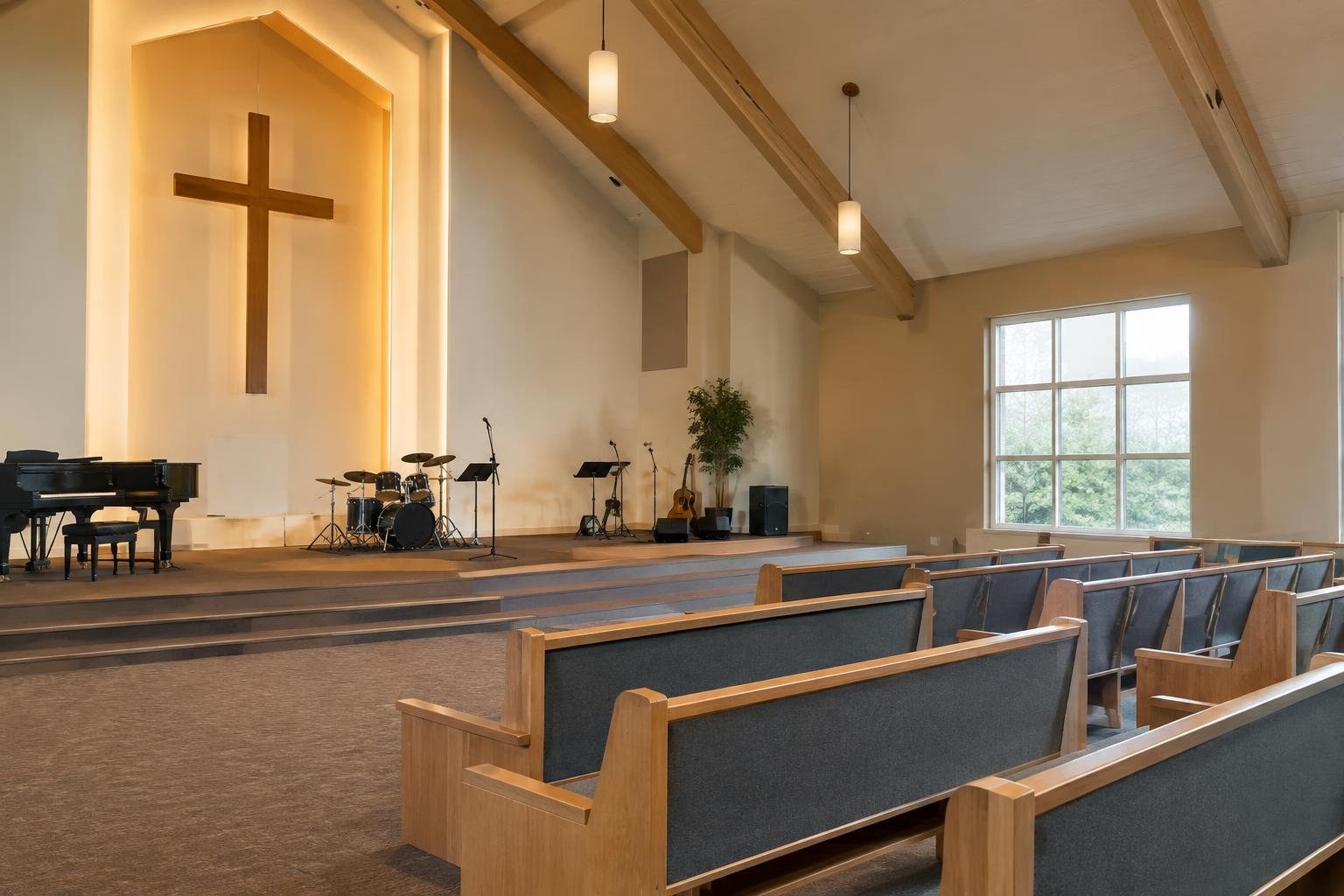
Worship ministry students rehearsing music and practicing service production
What Is a Worship Ministry Degree?
Worship ministry is a field of study focused on using musical and theatrical arts in Christian worship. Depending on the institution, a program may connect worship theology and ministry practice with music, performance, digital media, and the design or use of electronic equipment. The phrase can refer to a degree, certificate, concentration, or a broader ministry program, so it is important to inspect the curriculum.
The U.S. Department of Education’s Classification of Instructional Programs places theology and religious vocations within programs focused on theological study and preparation for religious vocations. A worship-focused course of study narrows that broad field toward worship and the arts. Michigan Tech’s summary of the related religious music and worship classification describes study of music history, theory, composition, and performance for sacred purposes. These classifications help describe fields; they do not guarantee that every school uses the same title or offers the same courses.
Worship ministry is related to, but not identical with, biblical studies, general theology, music, theater, or audio production. Look at the stated learning outcomes and required courses to understand a program’s center of gravity.
Sources: NCES classification; Michigan Tech’s religious music and worship description.
What Do Worship Ministry Students Study?
Worship ministry curricula can combine religious study with artistic and practical preparation. A school may emphasize worship theology, music, theater, media, ministry leadership, or technical production. The program description for worship ministry includes digital media, electronic hardware design and installation, music, theater, and worship theology, but that description should not be mistaken for a universal course checklist.
Before enrolling, request the current degree plan and look for:
Theological study: Courses that explore Scripture, Christian worship, or the beliefs and traditions informing services.
Music and performance: Instruction or practice in vocal or instrumental music, ensemble work, and performance for worship.
Production and media: Work with digital media, sound, lighting, or equipment where offered.
Ministry practice: Opportunities to plan services, collaborate with a worship team, or apply learning in a ministry setting.
Projects or field experience: A portfolio, recital, practicum, internship, or capstone if the program requires one.
Ask what is actually required, what is optional, and whether practice takes place in a campus facility or a community setting. A theology certificate at Loyola University New Orleans, for example, describes critical inquiry and practical skills for ministry or religious education, while Boston College describes a professional theology degree combining theological study with supervised ministry and spiritual formation. These are distinct program examples, not templates for every worship ministry degree.
Sources: Grand Canyon University ministry program overview; Loyola Institute for Ministry certificate overview; Boston College degrees and certificates.
Skills You Can Develop
Worship ministry study can develop a mix of artistic, theological, technical, and interpersonal abilities. The depth of each skill depends on the curriculum and the student’s practice outside class.
Musical and performance skills: Rehearsing, performing, and collaborating with musicians or vocalists can help prepare students for worship music roles.
Interpretation and communication: Studying worship theology and religious material can support clear explanations of service choices and collaboration with a faith community.
Planning and coordination: Service planning and team projects can build scheduling, organization, and leadership habits relevant to worship or religious activities direction.
Technology and media: Where included, digital media and equipment study can help students work with production teams and worship technology.
Teamwork and service: Rehearsals and ministry activities require listening, reliability, flexibility, and respect for the community’s practices.
Students should not assume that a worship ministry credential alone establishes advanced musical proficiency, technical expertise, or eligibility for a particular leadership role. Ask whether students complete public performances, supervised work, production projects, or a portfolio, and how faculty assess those skills. Michigan Tech’s description of the related religious music and worship field identifies history, theory, composition, and performance as areas of study; a specific program may cover only some of them.
Who Is Worship Ministry Best For?
Worship ministry may appeal to students who care about Christian worship and want to combine service with music, performance, media, or practical leadership. It can be a fit for people who enjoy rehearsing, preparing a group for an event, learning how worship practices connect to theology, or helping a community work together. You do not need to fit one personality type: reflective study, creative work, technical problem-solving, and people-focused service can all matter.
Think carefully about the daily work as well as the subject. Would you enjoy repeated practice and constructive feedback? Are you comfortable coordinating with others and adapting when plans change? Do you want a role centered on performance, production, religious education, or pastoral leadership? Those paths can call for different strengths and training.
Does Worship Ministry Match You?
Salary, reputation, and projected job growth matter, but they do not tell you whether you will find the work meaningful or sustainable. Compare what motivates you with the actual tasks, schedule, and community setting of likely roles. Assessment.com’s MAPP career assessment can help you explore interests and preferences alongside career and degree options. Treat an assessment as a starting point for reflection, not a verdict about your ability or future.
Parents and students can also discuss work settings, income uncertainty, possible relocation, and the balance between paid employment and volunteer service. Those practical conversations can make a calling-based decision more informed.
Admissions, Length, and Academic Demands
Admission requirements are set by each school and credential. A certificate, undergraduate degree, and graduate professional program may have different application steps. Depending on the institution, applicants may be asked for academic records, an application essay, recommendations, an audition or sample of creative work, an interview, or prior education. The supplied program examples do not establish one admission standard for the field.
Ask the admissions office for the current requirements in writing. If music or performance is central, clarify whether an audition is required and what skills it evaluates. For a ministry program, ask whether prior church involvement or professional experience is expected or simply helpful. Transfer applicants should request a formal review of credits before relying on an estimated graduation date.
Academic demands may include close reading, writing, theological reflection, rehearsal, collaborative projects, and hands-on use of media or equipment, depending on the program. Students can prepare by strengthening writing and time-management habits, practicing their instrument or vocal skills, and gaining experience in a worship team or production setting. Such experience can help clarify interests but should not be assumed to satisfy formal admission criteria.
Credential Levels, Formats, and Completion Time
The field includes multiple credential levels, but any one college may offer only a subset. Options associated with theology and religious vocations include certificates, associate and bachelor’s degrees, graduate certificates, master’s degrees, first professional degrees, and doctorates. A certificate may focus on a narrower set of learning goals; an undergraduate degree generally represents a longer course of study; graduate and professional programs serve different academic or ministry purposes. Check the award and curriculum rather than assuming credentials with similar names are interchangeable.
Completion time depends on the number of required credits, enrollment pace, transfer work, and any supervised or practical components. As one specific example, Boston College lists an 82-credit professional theology degree typically completed in three years of full-time study. That example is not a standard duration or credit requirement for worship ministry programs.
Online, hybrid, and campus formats may be available, but format does not necessarily remove practical requirements. Ask whether music rehearsals, production work, placements, or supervised ministry must occur in person, and how remote students access facilities or feedback. Confirm the expected schedule before committing, especially if balancing study with employment or caregiving.
Source: Boston College program details.
Careers, Jobs, and Employment Considerations
Worship ministry programs can lead toward different kinds of work, but a degree does not guarantee a job or establish one standard career ladder. Relevant directions may include worship leadership, religious activities and education, music direction, and work supporting media or service production. The fit between a program and a job depends on the course content, the student’s experience, the employer, and the practices of the faith community.
Career direction
How study may apply
What to verify
Worship or music team leadership
Music, performance, service planning, and collaboration may be relevant.
Audition, experience, schedule, and faith-community expectations.
Director of religious activities or education
Ministry preparation and religious education study may support program planning and community activities.
Employer requirements, leadership experience, and any preferred education.
Music director or composer
Music and performance preparation may contribute to work with ensembles or sacred music.
Musical proficiency, portfolio or audition, and the employer’s education expectations.
Worship media or production support
Digital media and equipment instruction may be useful when included in the program.
Hands-on technical skills, equipment experience, and portfolio requirements.
Clergy, chaplaincy, or academic teaching
Theology study may provide a foundation, but the degree alone may not qualify a graduate.
Further education, experience, ordination or endorsement, and employer rules.
Career titles and employment conditions differ across organizations. Part-time, volunteer, or combined-role work may be part of some communities’ staffing models, so ask local employers about actual openings and duties. AI and digital tools may change production workflows, but they do not remove the need to verify technical competence, musical judgment, and community expectations.
Explore Assessment.com guides for religious activities and education directors, clergy, and music directors and composers.
Tuition, Costs, and Financial Aid
There is no reliable single price for a worship ministry degree. Total cost depends on the institution, credential, location, enrollment pace, tuition structure, and the charges associated with required equipment, technology, travel, or practical work. Compare the full published cost of attendance rather than tuition alone. Ask each school for a current estimate covering the time you expect to attend.
For an apples-to-apples comparison, request an itemized estimate that separates tuition, mandatory fees, books, equipment, technology, travel, housing, and other likely expenses. Confirm which costs apply to online students and whether instruments, recording tools, or access to campus facilities are included. If the program requires supervised ministry or other practical experience, ask whether that work adds travel or other costs.
Potential ways to manage expenses include institutional grants or scholarships, federal or state aid for which you qualify, employer assistance, payment plans, and transferring eligible credits. Availability and eligibility vary. Verify aid terms with the school’s financial aid office, and compare the likely amount you would borrow with realistic employment options. A shorter certificate may cost less overall, but it may not meet the requirements for a role that calls for further study. Avoid choosing solely by sticker price or assuming that a ministry credential will automatically lead to a particular income.
Accreditation, Licensure, and Faith-Community Requirements
Accreditation and professional recognition are separate questions. First, confirm the institution’s current accreditation status through official information from the school and the appropriate recognized accrediting body. Then ask whether the specific program has any separate accreditation or approval relevant to your goals. The sources available for this guide do not establish a universal program-specific accreditation or license for worship ministry.
Ministry roles may also depend on a church, denomination, or other religious organization’s own policies. Requirements for clergy, chaplaincy, or pastoral leadership can differ from those for a worship musician or production staff member. Do not assume that a college credential equals ordination, endorsement, or permission to serve in a particular role.
Before enrolling, ask the program to explain in writing:
What institutional accreditation applies and where its status can be verified.
Whether the credential is accepted by employers or faith communities you may approach.
Whether any field placement or supervised ministry is required.
Whether graduates pursuing clergy or chaplaincy work commonly need further education or a separate endorsement.
If you have a denomination or employer in mind, contact that organization directly about its current requirements. Make this check before paying a deposit, not after completing a program.
How to Choose the Right Worship Ministry Program
Choosing a program is easier when you begin with the work you hope to do. A student aiming to lead music may prioritize ensembles, performance feedback, and opportunities to build a portfolio. Someone interested in production may look for practical media and equipment work. A student considering broader ministry may want theological depth and supervised experience. The program’s name is less useful than evidence that its curriculum serves your intended direction.
Curriculum: Compare required courses, electives, worship theology, music, performance, and production content.
Practice: Ask about rehearsals, projects, placements, supervision, and access to facilities.
Faculty and feedback: Find out who teaches core courses and how students receive musical, academic, and technical feedback.
Cost and completion: Get a written estimate of total charges and a term-by-term degree plan.
Format: Confirm in-person requirements, online access to resources, and attendance expectations.
Outcomes and connections: Ask how the school describes graduate pathways and whether local faith communities or employers participate in learning.
Transferability: Request a transcript review and verify whether future schools or credentialing bodies accept the credits.
Talk with current students or graduates if possible, and ask specific questions about workload, practical experience, and career preparation. Assessment.com’s major-selection guidance and college guidance resources can help structure further exploration. Use the MAPP assessment to consider fit alongside, not instead of, program research.
Related Degrees, Tradeoffs, and Is It Worth It?
Worship ministry may be worthwhile when the program’s learning goals align with the work you want, the cost is manageable, and you understand what additional preparation employers or faith communities may expect. It may be a poor investment if you are assuming that a degree guarantees a full-time role, a particular salary, or acceptance by every denomination.
Potential advantages: focused preparation in worship and religious arts; a chance to connect theology with music or production; and opportunities to practice collaborative service. Potential drawbacks: programs can differ substantially, some roles may depend on experience or community-specific approval, and relevant jobs may be shaped by local hiring needs and part-time arrangements.
Compare worship ministry with related options. Consider biblical or theological studies if you want more emphasis on religious texts, doctrine, or history; music if you want broader musical training; theater if performance is central; or media and production study if technical work is your main goal. A ministry certificate may suit someone seeking a focused introduction, while a degree may be more appropriate when a target role or later study requires it. Confirm the specific curriculum and the requirements of intended employers before deciding.
To picture a possible pathway, consider: worship ministry coursework → entry-level team or production role → practical experience and a portfolio → specialization in music leadership or production → a broader leadership position if qualified and selected. This is one possible sequence, not a guaranteed progression.
Questions to Ask Before Enrolling
Before you commit, use this checklist with a parent, counselor, or program representative:
What exact credential will I earn, and what courses are required?
How can I verify institutional accreditation and any relevant program approval?
What is the complete estimated cost, including fees, equipment, travel, and living expenses?
Which scholarships, grants, aid, employer support, or transfer credits may apply to my situation?
What practical work, rehearsal, internship, supervised ministry, or portfolio is required?
Can I complete the program online, and what must be done in person?
What are the actual admission requirements and expected time to completion?
Which roles have graduates pursued, and what further education or experience did those roles require?
Will the credential transfer or meet the expectations of the employers and faith communities I care about?
What career advising and employer or community connections are available?
What questions should I ask local churches or organizations about job openings and role expectations?
Write down answers and compare programs side by side. If a school cannot explain a requirement, placement, total cost, or expected outcome clearly, pause and seek clarification before enrolling. Use Assessment.com’s degree resources to explore other areas of study, and consider the MAPP assessment as one tool for reflecting on career and education fit.
Frequently asked questions
What is a worship ministry degree?
A worship ministry program prepares students to support or lead Christian worship through a combination of theology, music or performance, and practical ministry work. Depending on the school, students may also study digital media and worship technology. Program titles and course requirements vary, so compare the actual curriculum and practical experience rather than relying on the name alone.
Is worship ministry a difficult major?
It can be challenging for students balancing musical or technical practice with theological reading, writing, group projects, and ministry commitments. The workload depends on the credential and program. Before enrolling, ask about performance expectations, equipment access, required fieldwork, and how the schedule fits around work or family responsibilities.
What jobs can you get with a worship ministry degree?
Potential paths include worship or religious activities leadership, music direction, and roles supporting worship production or media. The duties and hiring requirements differ by organization. Some leadership, teaching, or clergy roles may require graduate study, experience, or recognition by a particular faith community, so confirm expectations for the job you want.
How much can you make with a worship ministry degree?
There is no single salary for worship ministry graduates. Pay depends on the specific job, employer, location, work schedule, experience, and whether the role is full-time or part-time. Research the exact occupation and local job postings, and ask programs how their graduates use the credential. Do not treat a degree title as a salary guarantee.
Can you earn a worship ministry degree online?
Some worship and ministry programs offer online or hybrid study, but availability and hands-on requirements vary. Music, performance, production, supervised ministry, or community-based learning may involve in-person work. Ask the program which activities must take place on campus or at an approved site before comparing online options.
Does worship ministry require a lot of math?
A specific math-heavy curriculum is not established for worship ministry programs generally. Students should still check individual course lists for technology, sound, equipment, or general education requirements. Ask admissions for a degree plan and sample syllabi so you can see what quantitative and technical work is included.
Do you need a master's degree to work in worship ministry?
Not every worship ministry position requires graduate school. Some roles may be accessible with undergraduate study, relevant performance or production experience, and a strong portfolio. Advanced pastoral, chaplaincy, or academic positions may have further education or faith-community requirements. Check the requirements of actual employers and denominational bodies before deciding how far to study.
Do worship ministry careers require certification or ordination?
There is no single certification requirement for all worship ministry work. Employers and faith communities may value different experiences, training, or endorsements, and some roles are governed by denominational processes. Ask prospective employers which credentials they recognize and distinguish those expectations from a college degree or certificate.
People Also Ask
What classes do you take in worship ministry?
Worship ministry courses can bring together Bible or theology study, worship planning, music or performance, and practical skills in media or production. The mix depends on the institution and credential. Check course descriptions, required ensembles or projects, and supervised ministry opportunities to see how a specific program divides its time between study and practice.
What degree levels are available in worship ministry?
The field includes credentials ranging from certificates and associate or bachelor's degrees to graduate study, but any individual school may offer only some of these options. The NCES classification describes theology and religious vocations as programs focused on theological study and preparation for religious vocations. Confirm the actual credential and program requirements directly with each institution.
How long does a worship ministry degree take?
Completion time depends on the credential, enrollment pace, transfer credits, and the institution's requirements. One professional theology degree example at Boston College is listed as 82 credits and typically three years of full-time study; that is a specific program example, not a standard timeline for worship ministry degrees. Ask each school for a personalized degree plan.
How is worship ministry different from theology or biblical studies?
Worship ministry emphasizes Christian worship practice and may include music, theater, digital media, or technical production. Theology or biblical studies programs may devote more study to religious texts, doctrines, history, and interpretation. Names overlap across schools, so compare required courses and practical components rather than assuming two similarly named programs are interchangeable.
Should I study worship ministry or music?
A worship ministry credential is most relevant when the intended role involves worship leadership, religious music, or production within a faith community. A music degree may provide deeper general musical study, while theater, media, or audio programs may offer more specialized production training. Compare the roles you want and their employer requirements before choosing.
How do I choose a worship ministry program?
Start by identifying the skills you want to build and the roles you might pursue. Compare required courses, music and technology facilities, field experience, total published charges, online or in-person requirements, transfer policies, and any faith-community expectations. Talk with the program and potential employers about how graduates use the credential.
Worship ministry may suit students who want to combine Christian worship, music or theatrical arts, technology, and service in a faith community. The right preparation depends on the role you want: a certificate or undergraduate program may support some ministry and worship-team paths, while pastoral leadership, chaplaincy, or teaching theology may require additional education, experience, or denominational approval. Compare total cost, curriculum, hands-on opportunities, and the expectations of communities where you hope to work before enrolling. If you are still weighing ministry against other directions, use Assessment.com’s career and degree resources to explore what may fit your motivations and interests.
Find out which Career or College Major is right for you!
We use cookies to offer you a better browsing experience, analyze site traffic and personalize content.
Read about how we use cookies and how you can control them in our
Privacy Policy.
If you continue to use this site, you consent to our use of cookies.
×
Exciting News!
Be one of the first to Beta Test the new AI-Powered Assessment.com Platform.