Golf Course Operation and Grounds Management Degree Guide
Explore what Golf Course Operation and Grounds Management programs teach, how credentials and formats differ, potential grounds-management careers, and how to compare program fit and cost.
By David Slack · Staff Writer Assessment.com · Published October 9, 2026 · Last updated November 5, 2026
Golf Course Operation and Grounds Management is a field of study focused on keeping golf course grounds and facilities functioning. Programs can introduce students to turfgrass science and management, course design and construction, grounds equipment, pest control, and the broader work of managing grounds. The exact curriculum and credential options depend on the college. The subject combines plant and turf knowledge with practical operations. Depending on a student’s goals and experience, related work may include hands-on groundskeeping or eventually supervising grounds crews. A program title alone does not guarantee a particular job, salary, or career progression, so prospective students should compare course plans with local employer expectations. Not sure whether Golf Course Operation and Grounds Management fits you? Take the Free MAPP Career Assessment to see how your motivations, interests, and natural preferences align with this degree and the careers it can lead to.
Degree & Program Decision Insights
Explore your personal fit, education requirements, career potential and next steps.
01Motivational Fit
Discover whether this program fits you
Explore your preferences against the focus of Golf Course Operation and Grounds Management. These prompts are not personal MAPP results.
Subject curiosity. Would you choose to explore “turf grass science and management” in depth? Ask for a sample learning activity to test that interest.
Breadth of interest. Consider the place of “golf course design and construction” in this field. Is this another part you would choose to explore, or mainly a requirement you would tolerate?
Work reality. Related work can involve this task: “Mow or edge lawns, using power mowers or edgers.” Would you want that activity to be a regular responsibility?
Interest in studying a field can differ from enjoying its related work.
Which part would you want to do repeatedly, and what would you try before deciding?
Discover Your Personal Program Fit
Before investing your time and money in your education, discover how this program aligns with your natural motivations, work preferences and career goals.
Typical occupational entry: high school diploma or equivalent (BLS). BLS lists less than 5 years of related work experience as typical for this occupation; this programme is not a direct promise of entry.
U.S. occupational wages are not guaranteed graduate earnings; OEWS excludes self-employed workers.
Projected openings include replacements as well as growth.
U.S. national estimates. A crosswalk does not establish entry-level eligibility; advanced, management and teaching roles can require further qualifications.
Sport and Fitness Administration/ManagementCIP 31.0504. Compare its emphasis on program planning and development and business and financial management principles with this program’s focus.
Explore your motivations. Use MAPP as a starting point for reflecting on your interest in “turf grass science and management”, then test that interest against a sample learning task.
Examine the work. Compare Landscaping and Groundskeeping Workers and First-Line Supervisors of Landscaping, Lawn Service, and Groundskeeping Workers on daily work and entry qualifications, as well as pay. Explore Landscaping and Groundskeeping Workers.
Compare actual providers. Ask for the exact credential, course sequence and assessment methods. Compare how each provider teaches “golf course design and construction”, its entry criteria and its itemized costs.
Check the evidence before applying. Confirm prerequisites and any recognition or professional requirements for your intended route; ask for applicable rules and published outcome definitions in writing.
Verify the institution’s current offering, admissions requirements and outcomes; a search result does not establish your eligibility.
What Is Golf Course Operation and Grounds Management?
Golf Course Operation and Grounds Management is identified as CIP 31.0302, a Classification of Instructional Programs field. The National Center for Education Statistics program description defines it around preparation to manage golf course operations. It names turfgrass science and management, golf course design and construction, grounds equipment and operation, pest control, and grounds management as areas of instruction.
That description helps explain the subject, but it does not prescribe one national course list or a single required degree. Colleges may use different program names and emphasize different parts of the field. Look at the actual courses, learning activities, and award rather than relying on a title alone.
What the name signals
The subject is more focused on golf course operations and grounds than a general recreation or sport-administration program. It includes plant and grounds topics alongside operational concerns. A student interested mainly in landscape design, broad environmental science, or recreation programming should compare those alternatives carefully.
What Do Students Study?
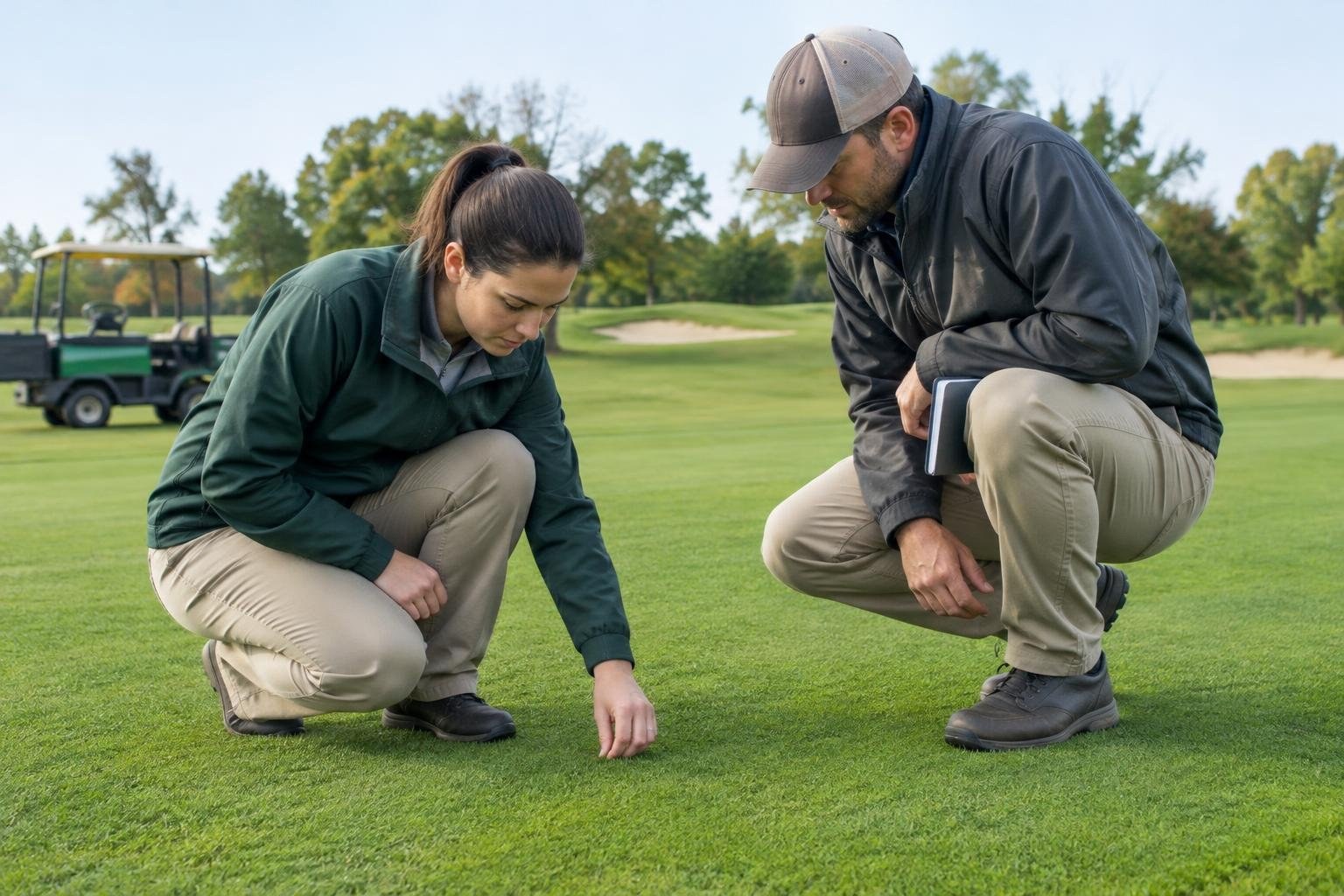
Expect a program in this field to connect the science of maintaining turf and grounds with the practical work of operating a golf course. The official classification identifies the subject areas, but each institution decides how courses are sequenced and what hands-on work is included. Use the listed topics as a checklist when reviewing a curriculum.
Turfgrass science and management: Learn the concepts used to understand turf and grounds care.
Course design and construction: Study how course layout and construction relate to the built grounds.
Equipment and operation: Become familiar with the role of grounds equipment and operational procedures.
Pest control: Study approaches to managing pests affecting course grounds.
Grounds management: Consider the coordination and upkeep of the outdoor environment.
Ask whether courses include field projects, equipment practice, internships, research, or a capstone. These experiences are not established by the CIP description and should be confirmed in the institution’s catalog or with an adviser. Request course syllabi if you need to judge the balance of scientific concepts, business topics, and practical instruction.
Skills You Can Develop
The subject areas point to a blend of plant and turf knowledge, practical problem-solving, equipment awareness, and grounds operations. Students can build their own evidence of these skills through relevant coursework and approved practical experience, but specific skills and software are not guaranteed by a program title.
Observation and analysis: Notice changes in turf or grounds and use course concepts to investigate possible causes.
Planning: Connect maintenance needs with schedules, resources, and operational priorities.
Clear communication: Explain work needs and coordinate with colleagues, supervisors, or other course stakeholders.
Operational judgment: Understand how equipment, pest-control topics, and grounds practices fit into a larger operation.
When comparing programs, ask how students practice these skills and how they receive feedback. If an employer expects particular technical tools, equipment experience, or safety training, ask the program and employer directly whether those are taught or expected.
Who Is This Program Best For?
This field may appeal to students who are curious about plants and outdoor spaces, enjoy seeing practical results, and are interested in how a large grounds operation is maintained. Some roles may emphasize hands-on work; others may place more weight on planning, communication, or crew supervision. The day-to-day balance depends on the job and employer.
You do not need to arrive with one specific personality or career plan. Instead, consider whether you are willing to learn scientific concepts about turf and grounds, work through practical problems, and explore the operational side of a golf course. Ask a program to describe a typical week of instruction and, if possible, speak with students or faculty.
Does this degree match you?
Salary, reputation, and projected job growth are only parts of an education decision. Consider what kinds of tasks hold your attention, what environment you prefer, and whether the field’s subject matter feels worth studying. A career assessment can help you reflect on motivations and interests; it is a starting point for exploration, not a guarantee of success. You can also browse guidance on choosing college majors with your family or counselor.
Admissions, Credential Levels, Time, and Academic Demands
There is no single admissions rule for this field. Requirements are set by each institution and can differ by credential level. Before applying, confirm prerequisites, application deadlines, transfer-credit rules, and whether the program asks for additional materials or relevant experience. Do not assume that a requirement at one college applies to another.
Program length also varies. Certificate, associate’s, bachelor’s, post-bachelor’s certificate, graduate certificate, master’s, and doctoral credentials are all possible levels associated with the field, but availability must be checked school by school. Prior credits, full-time or part-time enrollment, course availability, and any practical requirements can affect an individual completion timeline.
Academic challenges may include learning technical subject matter while applying it to real grounds and operations questions. Students preparing to enroll can review introductory plant or environmental science, ask about math prerequisites, and check tutoring or advising options. Request a program map that shows required courses and expected sequence.
Online, Hybrid, or On-Campus Study
Program delivery is institution-specific. Online, hybrid, and campus-based options may differ in how they handle practical instruction. Because the subject includes grounds equipment and management, prospective students should ask how a distance program teaches any hands-on material and whether field activities, equipment access, internships, or other in-person work are expected.
Before choosing an online option, get answers in writing about required campus visits, local placement arrangements, equipment access, travel, and whether practical experiences are arranged by the college or the student. A course being online does not by itself establish that every part of a program can be completed remotely.
Tuition, Costs, and Financial Aid
Compare total cost, not just the advertised tuition rate. The amount a student pays depends on the college, residency classification, credential, enrollment pace, fees, and personal expenses. Ask for an itemized estimate that reflects your circumstances and the expected time to completion.
Tuition and mandatory fees for the full program
Books, course materials, technology, and any equipment-related expenses
Transportation, housing, and meals for campus or field requirements
Costs associated with practical learning or internships, if applicable
Potential added expense if transfer credits are not accepted or courses are unavailable when needed
Complete the applicable financial-aid forms and ask each college about grants, scholarships, work-study, payment plans, and employer tuition assistance. Check whether credits from prior study will apply to this specific program. A lower per-credit price may not mean a lower total cost if more credits or extra terms are needed.
Use the school’s net price and aid information as a starting point, then request a written estimate. Avoid making a decision based only on a scholarship headline or a general tuition figure that does not reflect your residency and program.
Careers, Jobs, and Employment Outlook
Potential career directions include hands-on grounds work and, with relevant experience and employer expectations met, supervisory work. Assessment.com has guides to landscaping and groundskeeping workers and first-line supervisors of landscaping, lawn service, and groundskeeping workers. These are related occupations, not guaranteed outcomes of completing this major.
Possible workplaces and job titles should be verified through current local job postings and conversations with employers. Compare the education and experience they request with the curriculum. For each job, check reliable, current occupational data for regional pay and outlook; a degree field does not have one universal salary or employment forecast. The research available for this guide does not establish numerical pay or job-growth estimates, so none are stated here.
Look beyond the first job title. A student might explore an entry-level grounds role, build experience, and later seek more responsibility, but advancement depends on openings, performance, additional skills, and the employer. Ask programs for transparent information about graduate destinations and how those outcomes are measured.
Tools and data may change how grounds operations are planned or monitored. Rather than assume that technology will remove or guarantee particular jobs, ask programs how they teach current equipment and practical decision-making, and ask employers what systems they use.
Find out which Career or College Major is right for you!
Finishing a college program and meeting an employer’s or jurisdiction’s separate requirements are not necessarily the same thing. Do not assume that the degree itself grants a professional license or that one certificate is required nationwide. The available program description identifies subject matter, not a universal licensing or certification rule.
Ask the college whether it prepares students for any specific industry credential and whether that credential is optional, employer-requested, or required for a particular job in your location. Confirm details with the relevant issuing organization or government office before paying for an exam or credential. Also ask how practical experience, safety training, or equipment familiarity is documented.
How to Choose a Program and Questions to Ask
Before enrolling, compare the official curriculum with the kind of work you hope to do. Ask whether program courses cover each core subject, how students practice the material, and whether elective options allow you to explore operations or related interests. The CIP description is a useful reference, but it does not certify an individual college’s quality or outcomes.
Is the institution appropriately accredited, and can you verify its status through an authoritative source?
What credential will appear on the transcript, and what courses are required?
How much learning is hands-on, and what facilities or equipment can students access?
Are internships or field experiences available, required, or arranged by the student?
What is the full estimated cost after grants and scholarships?
How are transfer credits evaluated, and will they apply to the major?
What career advising, employer connections, and graduate outcome information can the program document?
Can you complete the required work in the advertised online or hybrid format?
Ask for answers in writing, particularly about cost, time to completion, placement arrangements, and any credential preparation. Explore Assessment.com education resources as you compare pathways, and discuss the decision with a parent, counselor, or college adviser.
Related Degrees and Alternatives
Related study paths can be a better fit if your interests extend beyond golf course operations. Compare required courses and likely work settings before changing direction:
Horticulture: Consider this if you want broader study of plants and their care.
Landscape architecture: Consider this if designing outdoor spaces is more appealing than maintaining a golf course operation. See the landscape architecture degree guide.
Forestry: Consider this if your interests center on forests and natural-resource settings. Explore the forestry degree guide.
Environmental studies: Consider this if you want a broader environmental focus. See the environmental studies guide.
Recreation or sport administration: Consider this if you are more interested in programs, organizations, or sport operations than turf and grounds.
These are comparison directions, not interchangeable qualifications. Review each program’s catalog and ask employers what preparation they expect for your target work.
Experience, Employer Preparation, and Further Study
When practical experience is available, use it to test whether the work suits you and to connect coursework with real operational settings. Ask whether a program offers internships, field projects, research, or supervised equipment practice, and find out who arranges placements and how students are evaluated. These opportunities vary by institution and should not be assumed.
To stand out to employers, document relevant coursework, practical projects, equipment familiarity, teamwork, and the problems you helped solve. Keep a concise record of responsibilities and outcomes that you can discuss in interviews. Join relevant campus or professional activities if they are accessible, and ask instructors or supervisors for advice on local employer expectations.
Graduate study may make sense for a student seeking deeper specialization, research, or broader organizational leadership, but it is not automatically necessary for grounds work. The field’s credential range includes graduate-level awards; the right choice depends on a specific goal and the qualifications that employers or institutions actually request.
Frequently asked questions
What is Golf Course Operation and Grounds Management?
Golf Course Operation and Grounds Management is a field of study focused on managing golf course operations and grounds. The federal Classification of Instructional Programs describes programs in the field as covering turfgrass science and management, golf course design and construction, grounds equipment and operation, pest control, and grounds management. Actual course plans vary by institution.
Who should study golf course operation and grounds management?
The program can suit students who like plants, outdoor work, equipment, and solving practical maintenance problems, and who are also interested in planning or supervising grounds operations. It is worth asking programs how much learning takes place outdoors and what management or business topics are included, since emphasis varies.
What jobs can I get with this degree?
Potentially relevant roles include landscaping and groundskeeping work and first-line supervision of landscaping, lawn service, and groundskeeping workers. A degree does not guarantee a particular job or title. Employers set their own education and experience expectations, so compare local job postings with the curriculum and credential level before deciding.
How much can you make with a golf course management degree?
There is no single salary for this degree. Pay depends on the specific job, location, experience, employer, and responsibilities. Compare current wage data for the exact occupation and region you are considering, and distinguish entry-level grounds work from supervisory or management roles. Do not treat a program’s degree title as a salary promise.
Can I earn a golf course management degree online?
Some coursework may be possible online, but the format depends on the institution and program. Ask whether practical instruction, equipment work, field activities, internships, or other requirements must be completed in person. Confirm how any in-person component works before enrolling, especially if you live far from campus.
Does golf course operation and grounds management require math or science?
The program description includes turfgrass science and management, so expect to learn scientific concepts related to turf and grounds. The exact amount of math or science, and the courses that require it, depend on the college. Review the required course sequence and ask an adviser about prerequisites and academic support.
What degree level do I need for golf course management?
The field includes multiple credential levels, but the right level depends on your career goal and the employer’s requirements. Ask local employers what they expect for the job you want, then compare that with program outcomes and course depth. Do not assume that an advanced credential is necessary for every grounds or supervisory position.
How does this major compare with horticulture or landscape management?
It depends on what you want to study. Golf Course Operation and Grounds Management is specifically framed around golf course operations and grounds, including turfgrass, equipment, pest control, and course design and construction. A broader plant, landscape, or environmental program may offer a wider subject area, so compare required courses and practical experience rather than relying on the title alone.
People Also Ask
What do you learn in golf course operation and grounds management?
The field prepares students to understand golf course operations and grounds management. The federal program classification names turfgrass science and management, golf course design and construction, grounds equipment and operation, pest control, and grounds management as subject areas. Colleges may organize and emphasize these topics differently, so check each program’s published curriculum.
What degree levels are available in golf course management?
Credential options in the field can include certificates, associate’s and bachelor’s degrees, and graduate-level credentials. That list describes possible levels in the field, not a promise that every college offers each one. Verify the exact award, entry requirements, and course plan with the institution.
How long does a golf course management program take?
Completion time depends on the credential, course load, prior credits, and program schedule. A certificate and a degree are not interchangeable, and credit transfer can affect an individual student’s timeline. Ask the college for the published credit requirements and an individualized completion plan before enrolling.
Is golf course management a hands-on career?
Golf course grounds work can involve practical outdoor tasks as well as planning and coordination. How much hands-on work a particular program includes is institution-specific. Ask about field instruction, equipment access, internships, and any required in-person components rather than assuming an online course provides the same practical experience.
Do I need a certification to manage golf course grounds?
A credential may be available at different levels, but required education and experience depend on the particular employer and position. Check job postings for roles you are considering and ask employers or program advisers what credentials they value. Treat optional professional training separately from a college degree and from any requirement set by an employer or jurisdiction.
How can I make a golf course management degree more affordable?
Start with the complete cost of attendance for your specific program and enrollment plan. Include tuition, fees, books, equipment or technology costs, transportation, and any in-person learning expenses that apply. Then compare grants, scholarships, federal aid eligibility, employer support, and transfer-credit policies with the college’s financial-aid office.
Golf Course Operation and Grounds Management can suit students who want to combine plant and turf knowledge with practical facility operations. The right path depends on the work you want to do, the credential employers in your target area expect, and whether you enjoy outdoor, hands-on problem-solving as well as planning and supervision. Compare curricula, total costs, practical learning opportunities, and career fit before enrolling.
Want to see your options? Try our comprehensive Degree, Program & College Search tool
We use cookies to offer you a better browsing experience, analyze site traffic and personalize content.
Read about how we use cookies and how you can control them in our
Privacy Policy.
If you continue to use this site, you consent to our use of cookies.
×
Exciting News!
Be one of the first to Beta Test the new AI-Powered Assessment.com Platform.